

Gastrointestinal Cat Food for Sensitive Stomachs




 £64.40

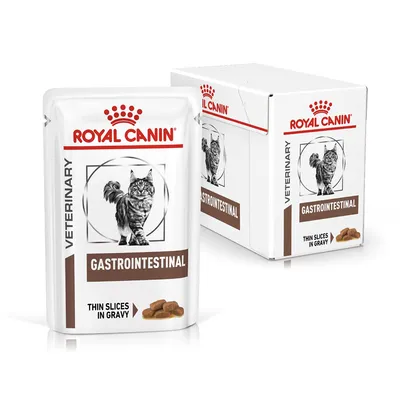

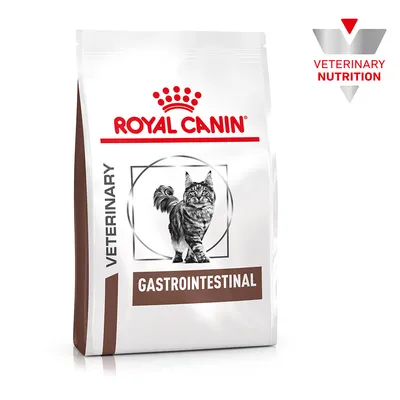

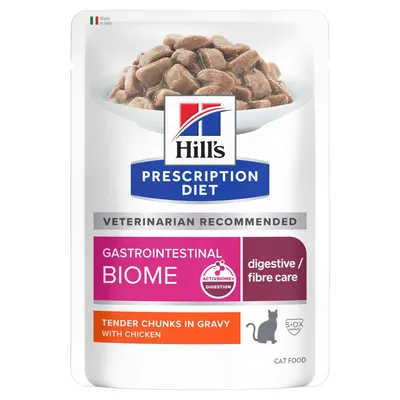
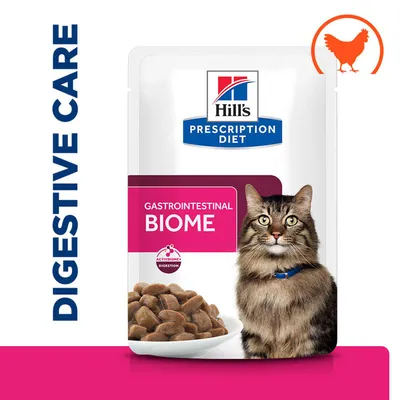

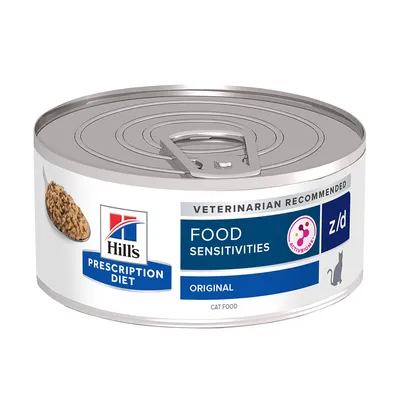

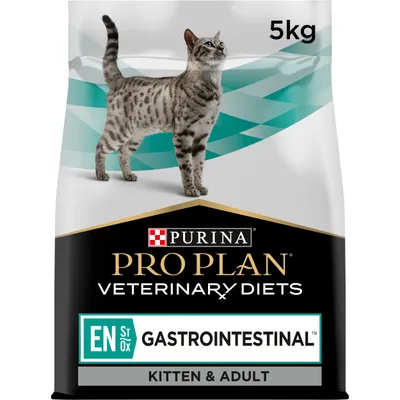
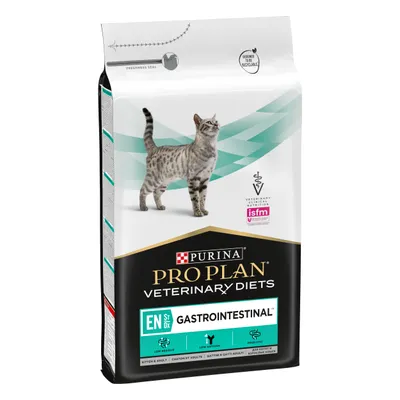
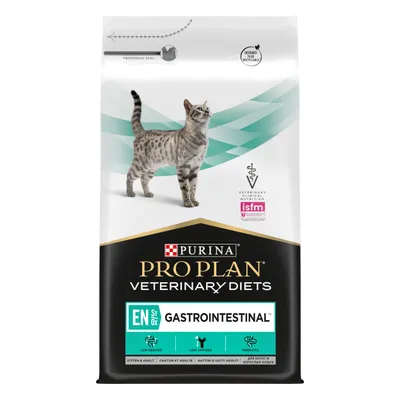

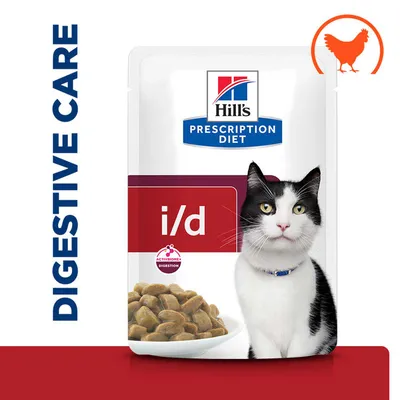
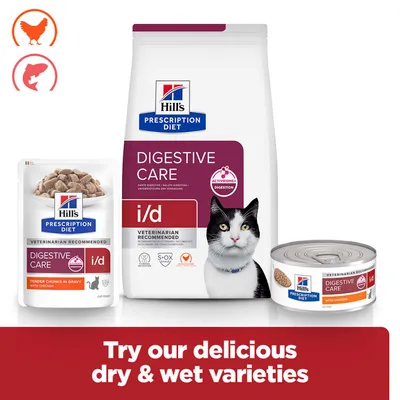
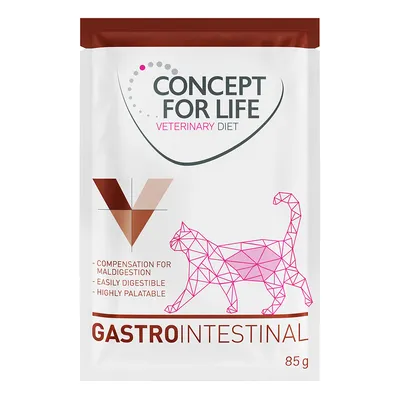

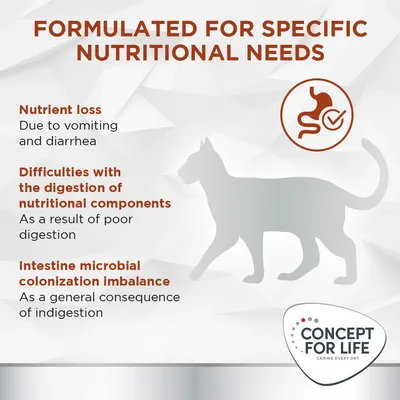


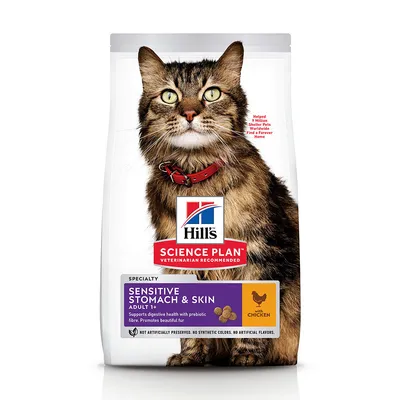



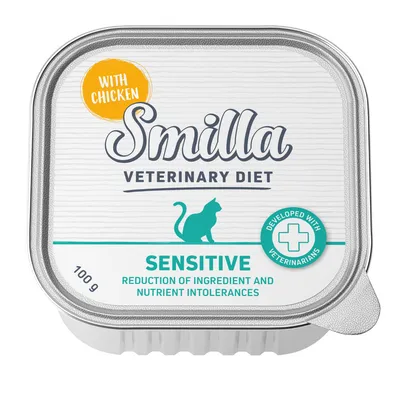
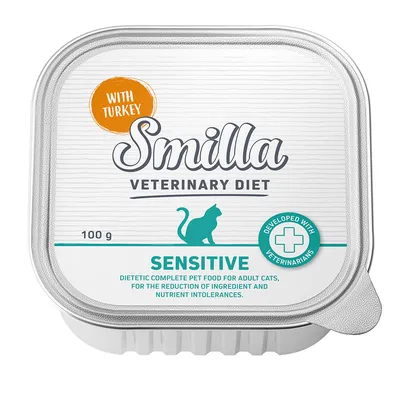
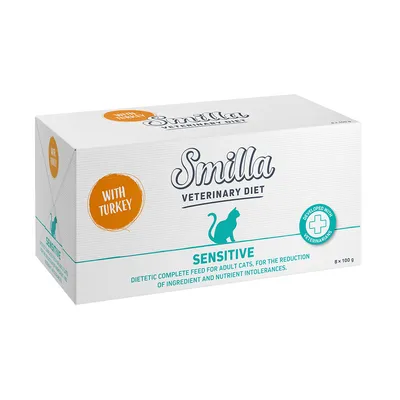
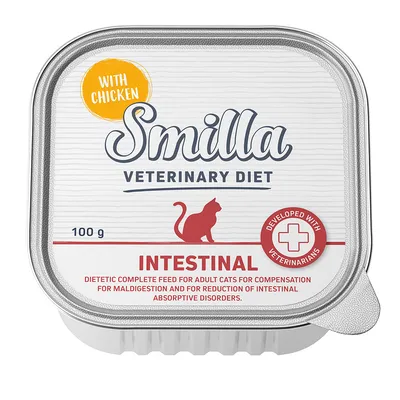
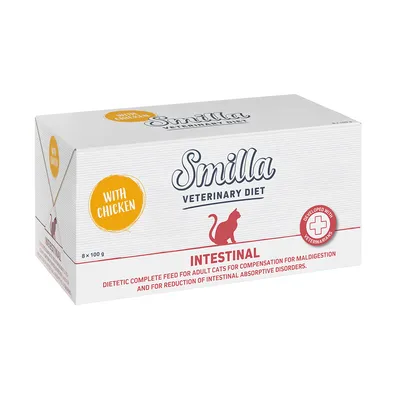


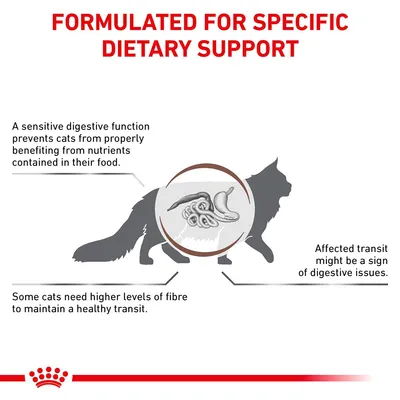
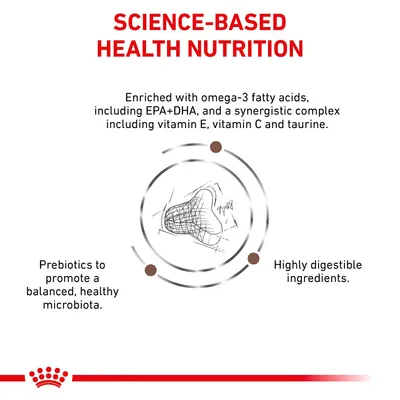
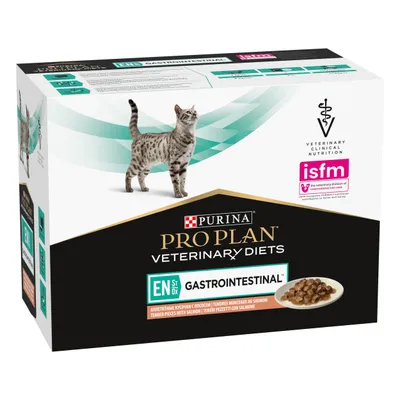



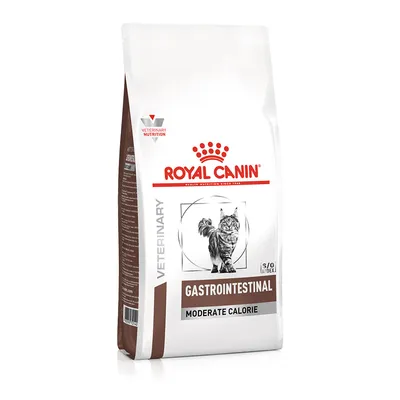


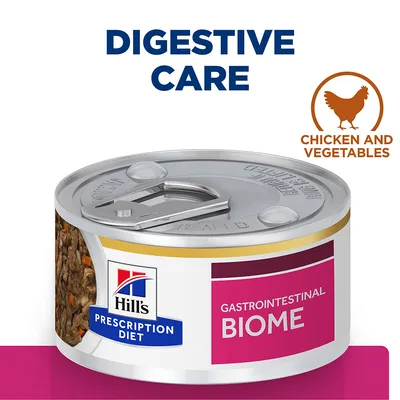
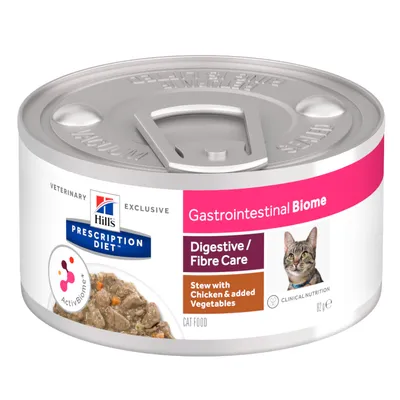
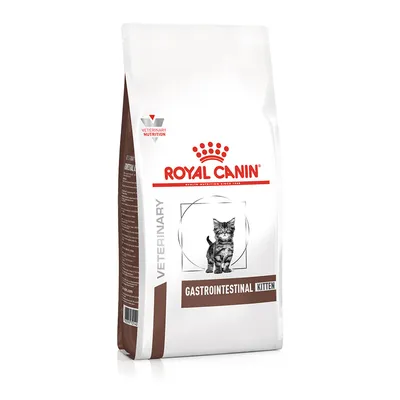
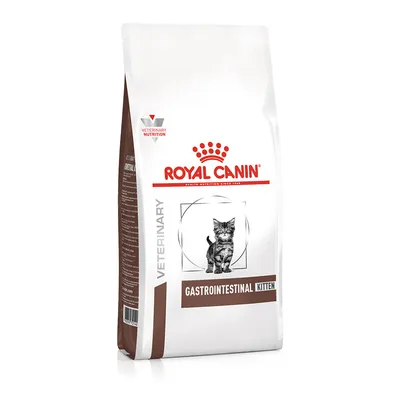
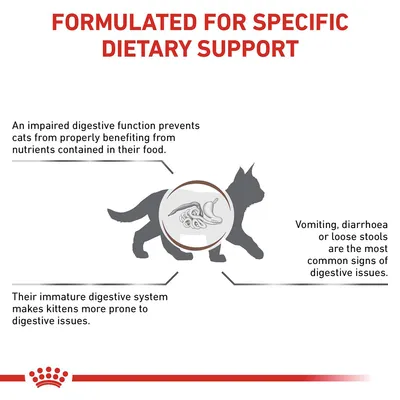
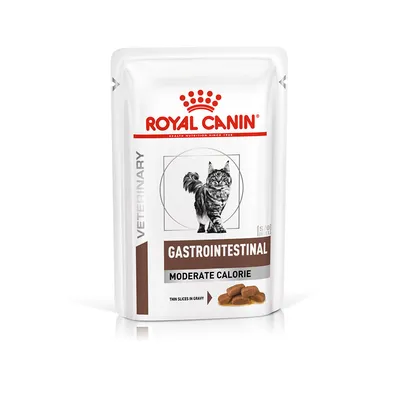
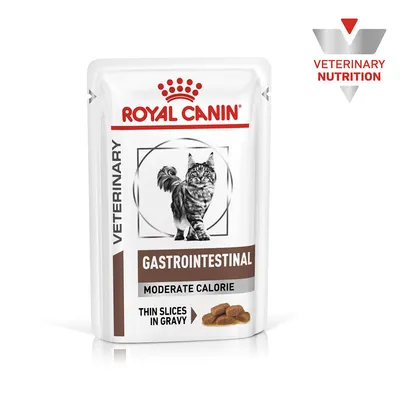
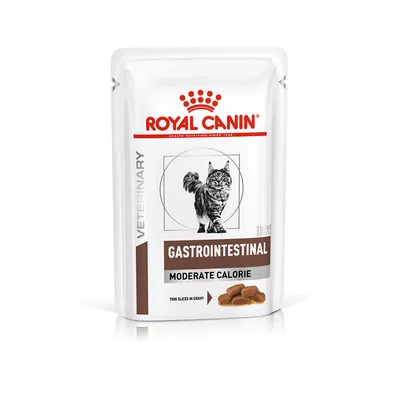
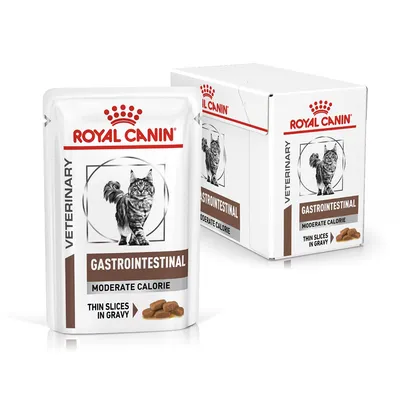



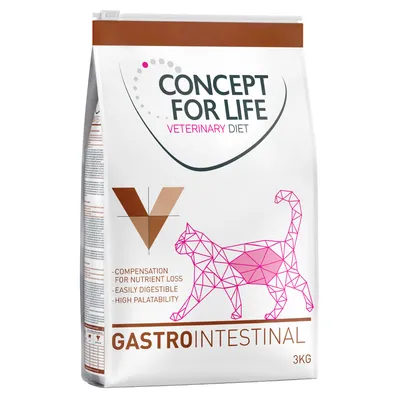
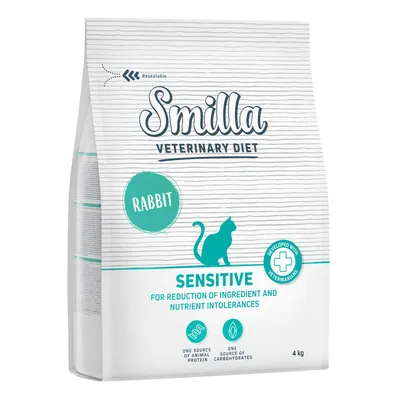
Veterinarian Dr. med. vet. Franziska G. explains: Gastrointestinal cat food

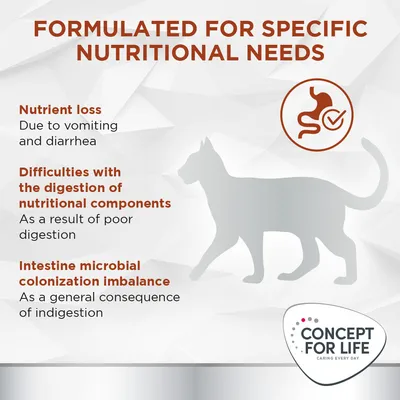
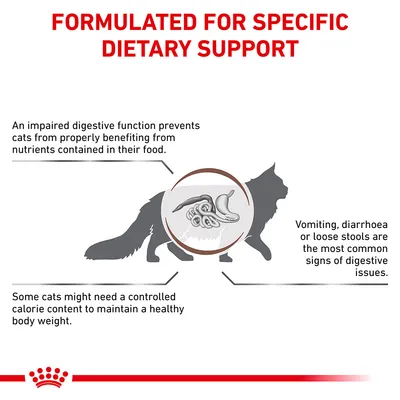
“Stomach problems in cats can be caused by a wide range of factors. They often occur when your cat eats something they shouldn’t. However, they can also be caused by diseases that disrupt your cat’s digestion. These include gastritis in cats or pancreatitis in cats, which should be treated by a vet.
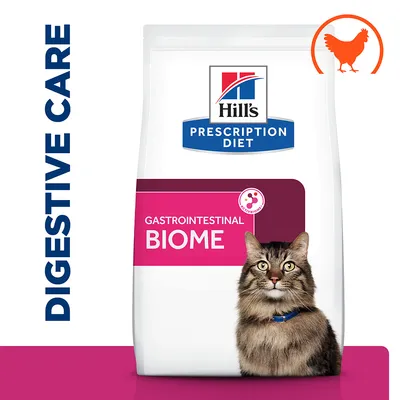
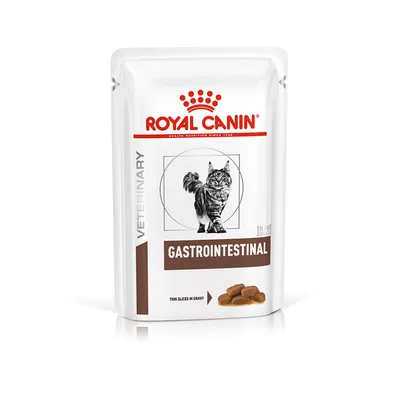
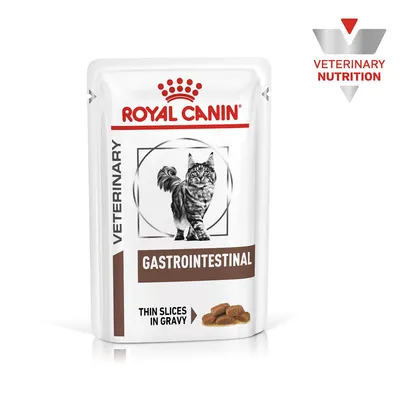
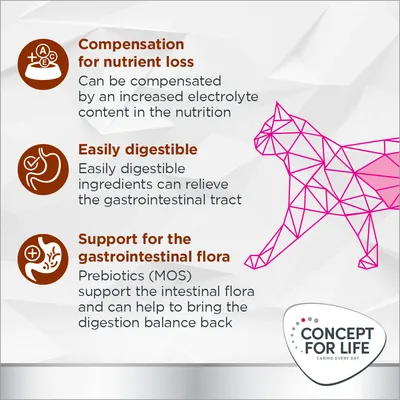
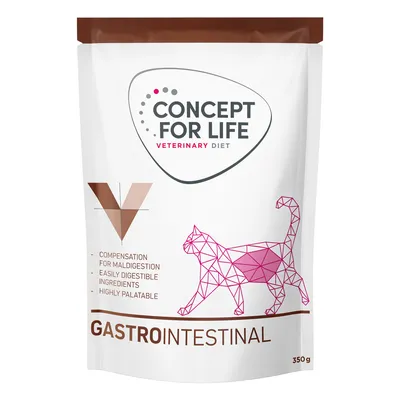
If digestive problems remain untreated, this can lead to nutrient deficiencies and other consequences that can seriously endanger your cat’s health. Special gastrointestinal cat food can be either wet or dry and is characterised by easily digestible ingredients and the avoidance of irritating substances such as chemical additives.”
This content is a translation of the original text published on zooplus.de and was created by veterinary surgeon Dr. med. vet. Franziska G. and reviewed by Author Aura McMenamin in collaboration with our editorial team. The information provided is for general guidance only and is not a substitute for professional veterinary advice, diagnosis or treatment. Always consult your vet if you have any concerns about your pet’s health or wellbeing.
Veterinarian Dr. med. vet. Franziska G. explains: Gastrointestinal cat food
“Stomach problems in cats can be caused by a wide range of factors. They often occur when your cat eats something they shouldn’t. However, they can also be caused by diseases that disrupt your cat’s digestion. These include gastritis in cats or pancreatitis in cats, which should be treated by a vet.
If digestive problems remain untreated, this can lead to nutrient deficiencies and other consequences that can seriously endanger your cat’s health. Special gastrointestinal cat food can be either wet or dry and is characterised by easily digestible ingredients and the avoidance of irritating substances such as chemical additives.”
This content is a translation of the original text published on zooplus.de and was created by veterinary surgeon Dr. med. vet. Franziska G. and reviewed by Author Aura McMenamin in collaboration with our editorial team. The information provided is for general guidance only and is not a substitute for professional veterinary advice, diagnosis or treatment. Always consult your vet if you have any concerns about your pet’s health or wellbeing.
Which cats is gastrointestinal food suitable for?
Gastrointestinal cat food is generally suitable for all cats with sensitive stomachs. These cats experience recurring digestive problems such as abdominal pain, nausea, vomiting or diarrhoea. Gastrointestinal cat food can also provide support after surgery or during a stressful period.
How can I support my cat’s stomach health?
In addition to gastrointestinal cat food, the following product categories can help support your cat’s stomach and prevent stomach problems:
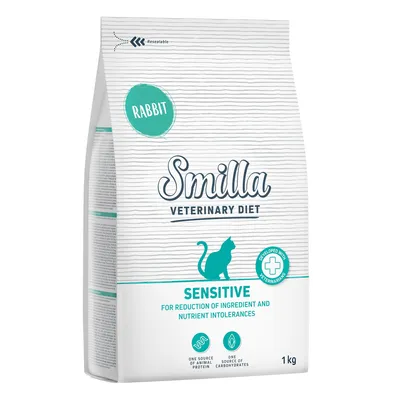
- Sensitive cat food
- Cat stomach and gut health supplements
- Anti-hairball cat food
- Slow feeder cat bowls
Ask your vet for advice on which of these products is suitable for your cat with a sensitive stomach.
What soothes a cat’s stomach?
Along with food, the way you feed and care for your cat can influence their digestive health. Here are some useful tips on how you can relieve strain on your cat’s stomach:
Tip | Reason |
|---|---|
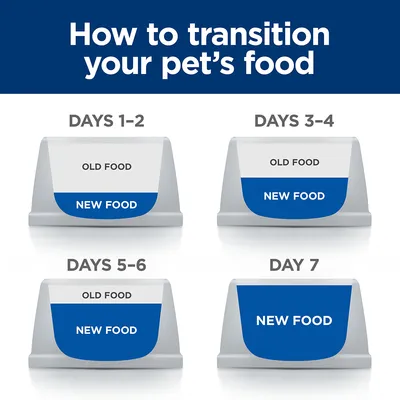
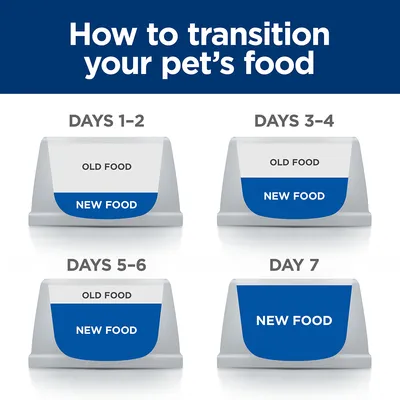
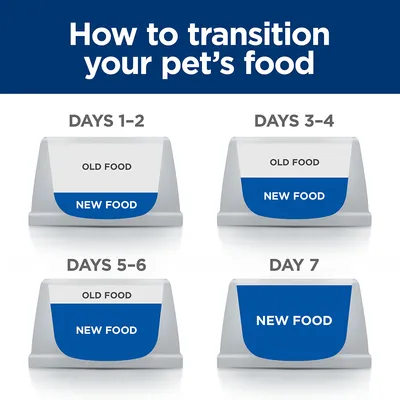
Gradual food transition | If you change anything in your cat’s diet, you should always make the food transition gradually over at least one week to avoid digestive problems. |
Small portions | To avoid overloading the stomach, it’s advisable to give several small portions rather than one large one. |
Reduce stress | Physical and mental exercise and a calm environment can help reduce your cat’s stress. |
No table scraps | Food intended for humans or table scraps can be indigestible or even toxic. |
When should you take a cat to the vet for an upset stomach?
It’s recommended to visit a vet if your cat is already ill or very young, has severe digestive problems or experiences symptoms lasting longer than one day. A vet can help with a diagnosis and recommend suitable gastrointestinal cat food.
When should you take a cat to the vet for an upset stomach?
It’s recommended to visit a vet if your cat is already ill or very young, has severe digestive problems or experiences symptoms lasting longer than one day. A vet can help with a diagnosis and recommend suitable gastrointestinal cat food.