

Hypoallergenic Cat Food

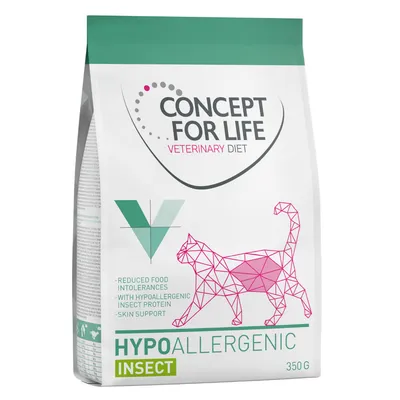
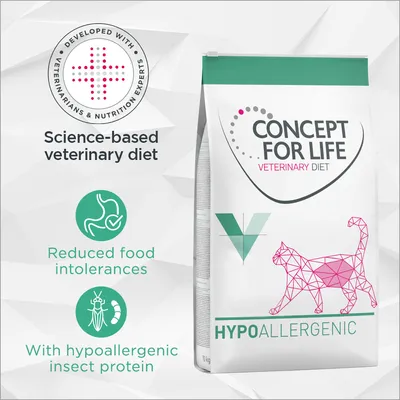
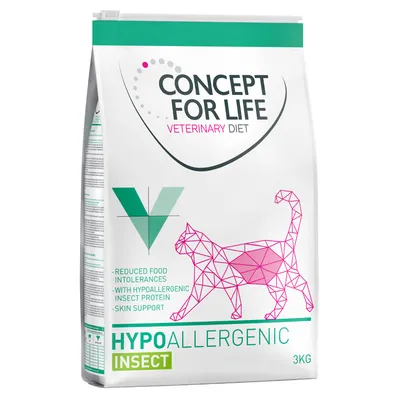


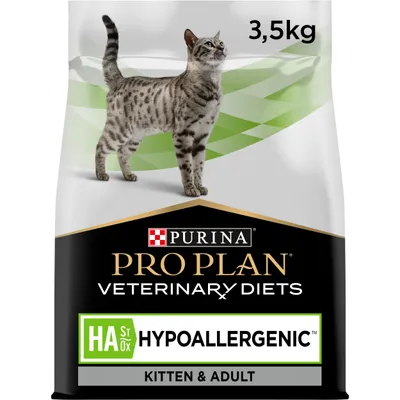
 £3.32

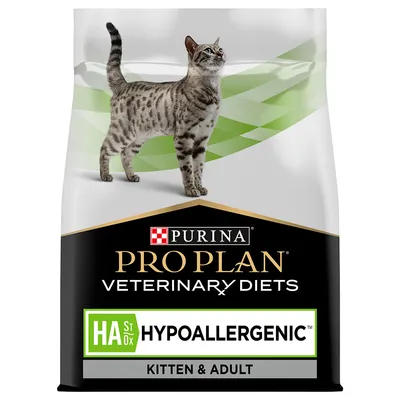


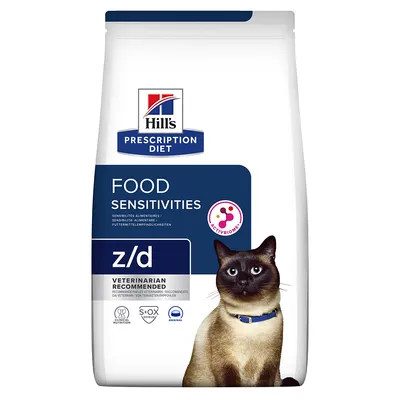
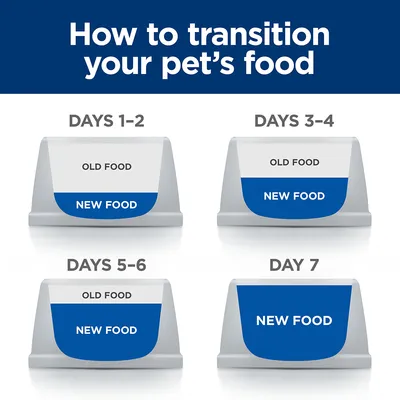


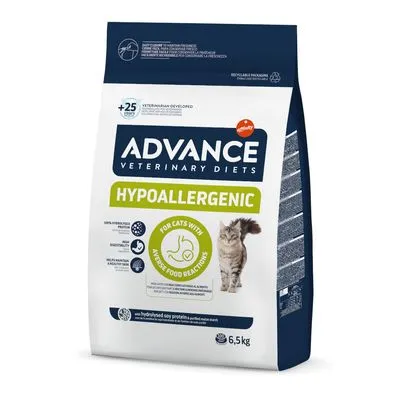
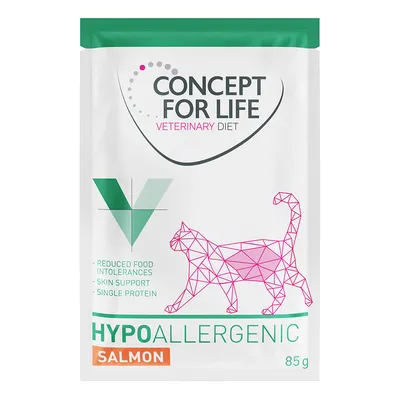


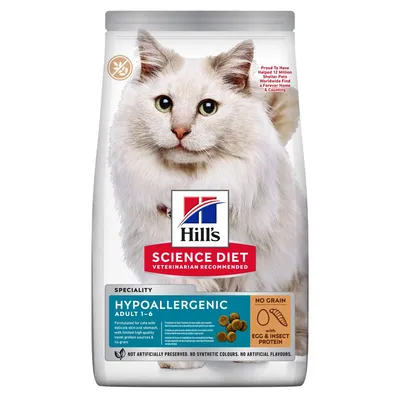
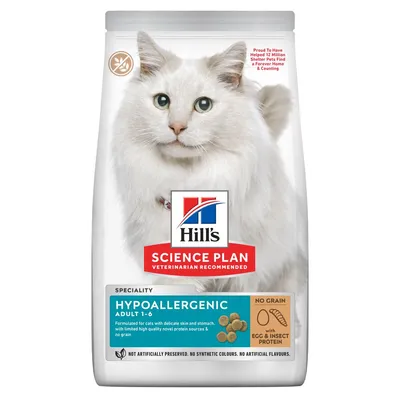



Veterinarian Dr. med. vet. Franziska G. explains: Hypoallergenic Cat Food

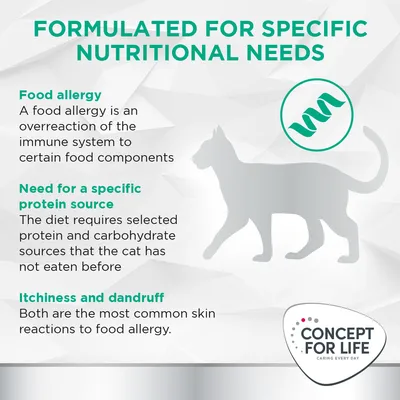
“Vets are frequently confronted with food allergies in cats or food intolerances in cats. Both can cause symptoms that affect a cat’s wellbeing and quality of life, such as itching in cats, vomiting in cats and diarrhoea in cats. If left untreated, these conditions can also lead to nutrient deficiencies, significant weight loss and weakness, as the affected cat can no longer properly utilise their food.
If you suspect an allergic reaction, it’s always important to see a vet and review your cat's diet. In consultation with your vet, it can be helpful to switch to a hypoallergenic cat food tailored specifically to cats with allergies.”
This content is a translation of the original text published on zooplus.de, created by Veterinarian Dr.med.vet. Franziska G., in collaboration with our editorial team. The information provided is for general guidance only and is not a substitute for professional veterinary advice, diagnosis or treatment. Always consult your vet if you have any concerns about your pet’s health or wellbeing.
What is hypoallergenic cat food made of?
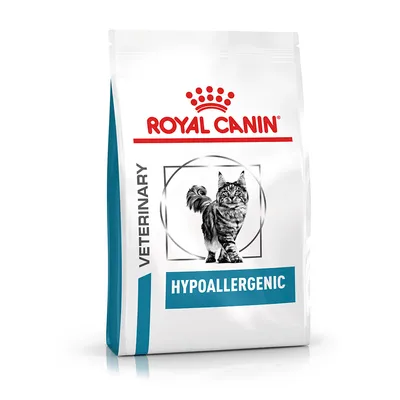
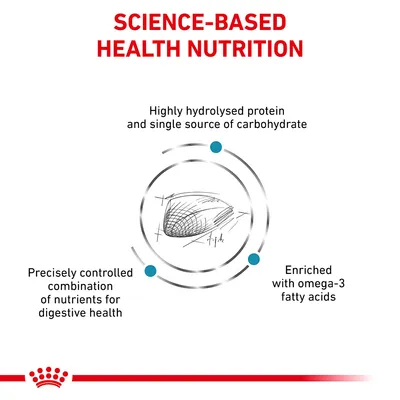
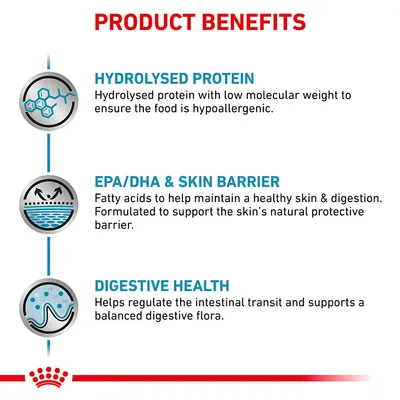
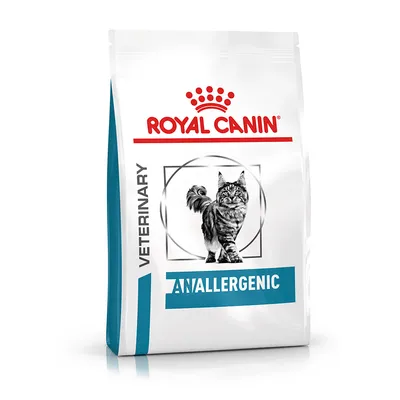
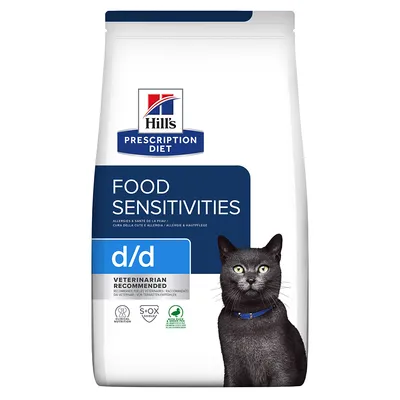
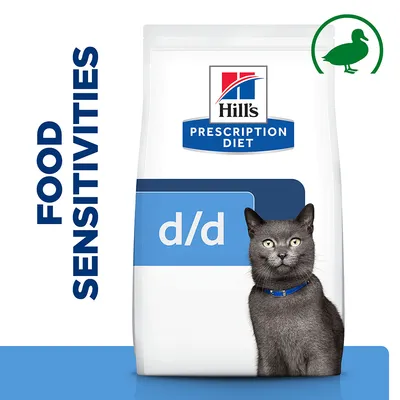
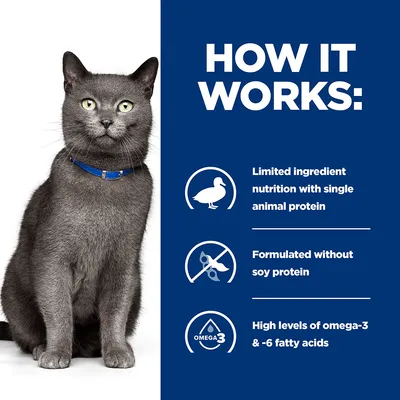
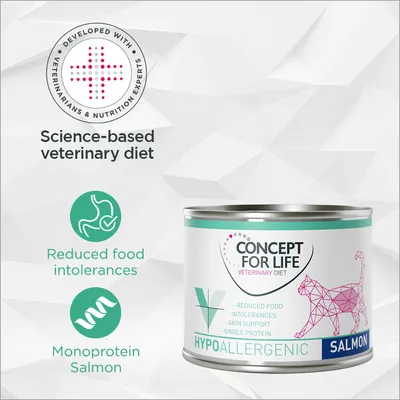
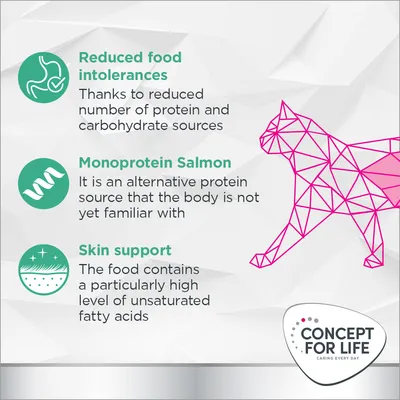
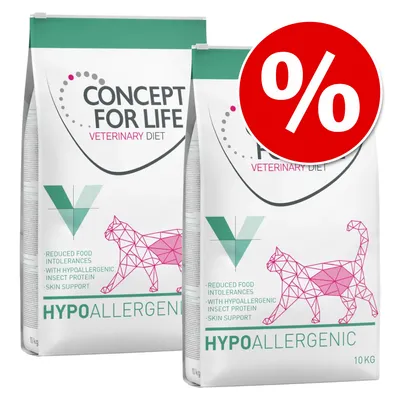
Hypoallergenic cat food often contains only one or a few protein sources that are well tolerated by cats. It’s usually free from grain and gluten, instead containing easily digestible carbohydrates such as rice. Selected oils like fish oil, which are naturally rich in omega-3 and omega-6 fatty acids, and additives such as linoleic acid can also help maintain healthy skin and coat. Thanks to its special composition, hypoallergenic cat food can support the diet of cats with allergies.
Which protein sources are commonly found in cat food for allergies?
The following protein sources are often used in hypoallergenic cat food:
- Duck
- Fish
- Insects
- Kangaroo
- Rabbit
- Horse
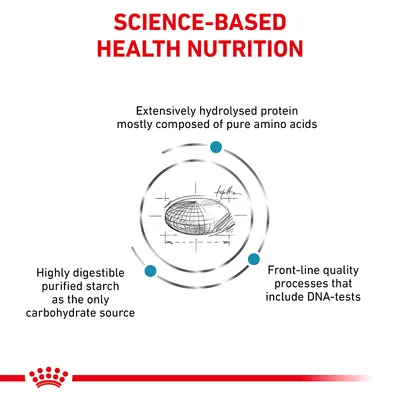
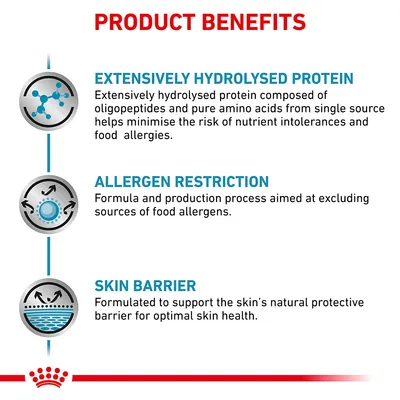
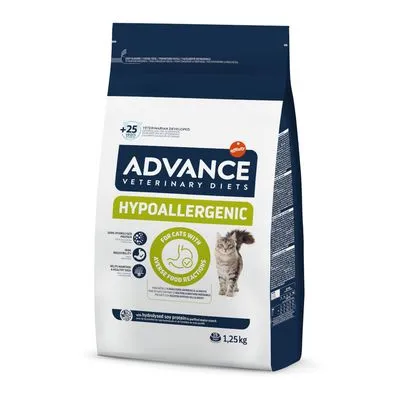
Cat food for allergies also often contains hydrolysed protein, which is broken down into very small fragments and is less easily recognised by the immune system. This can help reduce the severity of allergic reactions.
Which products are suitable for cats with allergies?
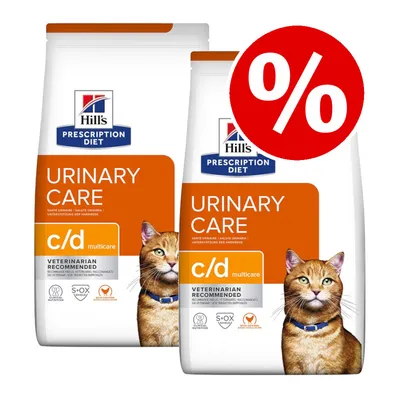
Along with hypoallergenic cat food, zooplus offers a range of products that may be suitable for cats with allergies, such as:
Ask your vet for advice on which food is best suited to your cat.
Which foods commonly trigger food allergies in cats?
Among other substances, the following foods can either have a higher allergenic potential or be difficult for some cats to digest:
Food | Allergen or hard-to-digest ingredient |
|---|---|
Animal proteins | Chicken, beef, egg or fish |
Dairy products | Lactose |
Grains | Wheat, rice or maize |
Plant proteins | Soya |
Chemical additives | Flavourings, colourings, preservatives |
Food | Allergen or hard-to-digest ingredient |
|---|---|
Animal proteins | Chicken, beef, egg or fish |
Dairy products | Lactose |
Grains | Wheat, rice or maize |
Plant proteins | Soya |
Chemical additives | Flavourings, colourings, preservatives |
What should I consider before feeding my cat hypoallergenic cat food?
Before changing your pet's diet, you should discuss this with your vet. Symptoms such as persistent itching or diarrhoea in cats can also indicate other conditions that may need to be treated differently.
How is a food allergy diagnosed in cats?
An elimination diet is a suitable way to identify an allergy. This involves leaving out certain ingredients. The cat's reaction (e.g. an improvement in symptoms) shows whether they tolerate the ingredient they are being fed exclusively.
How long does it take for hypoallergenic cat food to work?
Hypoallergenic cat food can often show an initial improvement in symptoms after just two to four weeks. However, how effective this food is can also depend on how carefully the vet's instructions are followed.