

Senior Dog Treats & Snacks


 £13.77





















What are the best treats for older dogs?
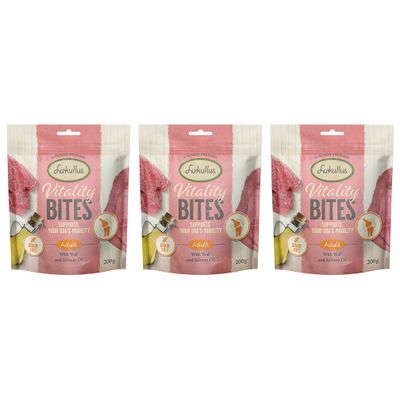
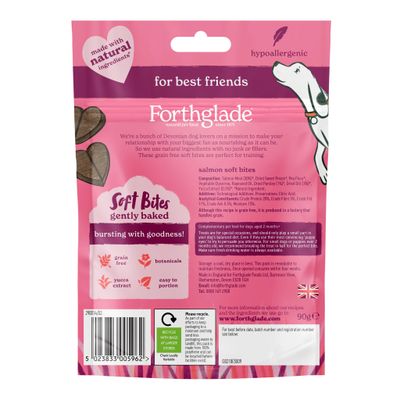
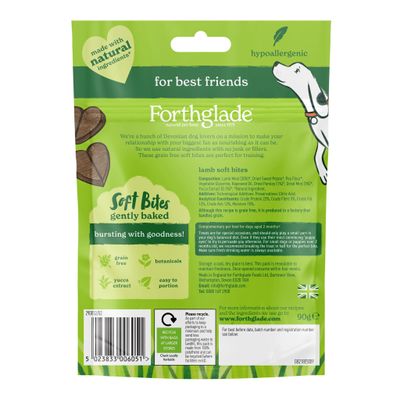
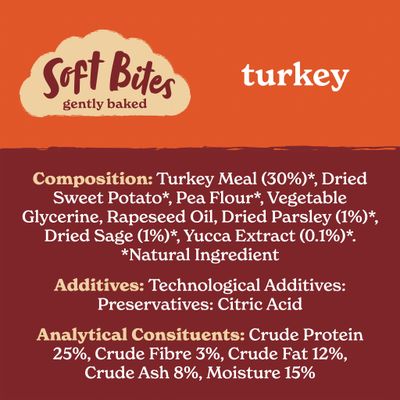
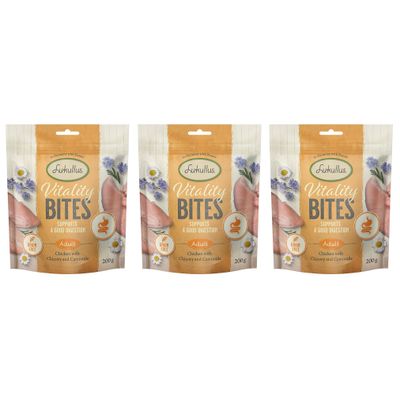
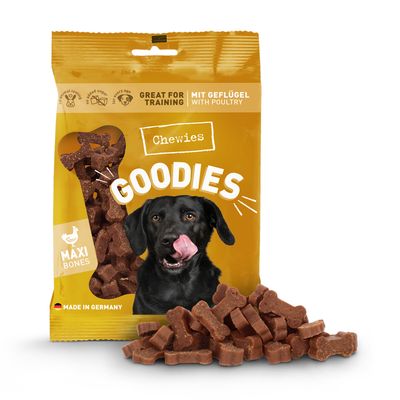
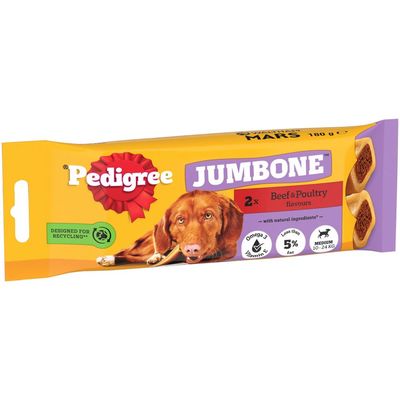
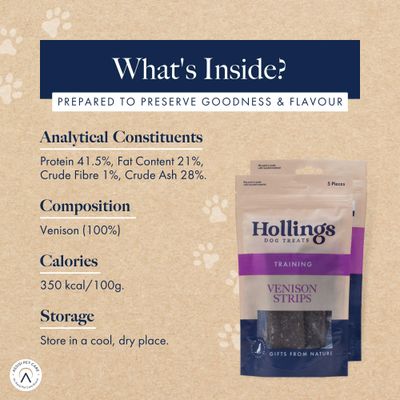
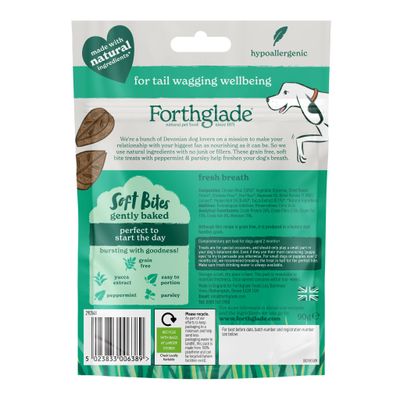
Manufacturers specially formulate senior dog treats to meet the needs of older pets. Some products are softer (making them great soft dog treats for older dogs), others have an easily digestible formula, and some help support your dog's skeletal system—literally every step of the way!
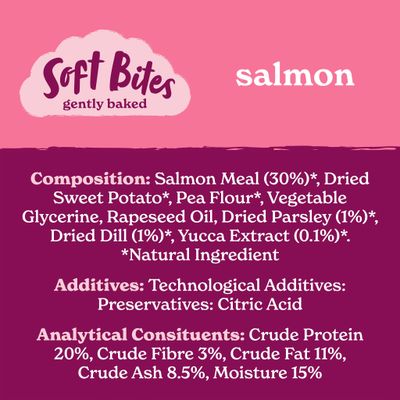
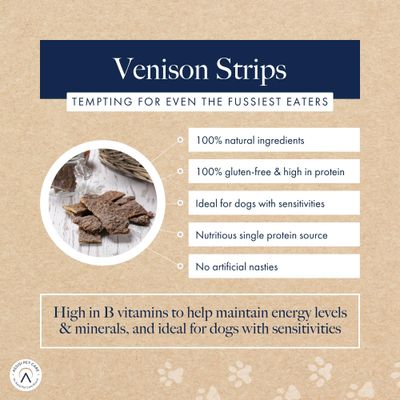
Good, healthy snacks for senior dogs should not contain unnecessary ingredients that could irritate their sensitive stomach or cause allergies. Instead of hard bones, choose meaty chew sticks. You can also swap fattier snacks for light, freeze-dried treats made from poultry or fish. Always observe how your dog reacts after receiving a new treat and remember not to overdo it. Every extra kilo puts a strain on your pet's joints!
What are the best treats for older dogs?
Manufacturers specially formulate senior dog treats to meet the needs of older pets. Some products are softer (making them great soft dog treats for older dogs), others have an easily digestible formula, and some help support your dog's skeletal system—literally every step of the way!
Good, healthy snacks for senior dogs should not contain unnecessary ingredients that could irritate their sensitive stomach or cause allergies. Instead of hard bones, choose meaty chew sticks. You can also swap fattier snacks for light, freeze-dried treats made from poultry or fish. Always observe how your dog reacts after receiving a new treat and remember not to overdo it. Every extra kilo puts a strain on your pet's joints!
How are senior treats different from classic snacks?
Why did we create a separate category for seniors? Just like Puppy Treats, treats for older dogs are often different from classic snacks.
Feature | Senior Dog Treats | Classic Dog Treats |
|---|---|---|
Hardness | Usually soft – ideal for dental issues. | Often harder, requiring more chewing. |
Ingredients | Often enriched with vitamins, omega-3, and glucosamine. | Less tailored to a senior dog's needs. |
Calories | Lower, to help prevent weight gain and slow metabolism. | Often higher in calories and fat, younger dogs tend to be more active. |
Functional Use | Support joints, heart, immune system, urinary, and digestive health. | Functional treats also exist (e.g., for stress relief and digestive support). |
Form | Small, easy to chew; often as pastes, mousses, or soft bites. | Varied: kibble, sticks, biscuits, and harder bones. |
Feature | Senior Dog Treats | Classic Dog Treats |
|---|---|---|
Hardness | Usually soft – ideal for dental issues. | Often harder, requiring more chewing. |
Ingredients | Often enriched with vitamins, omega-3, and glucosamine. | Less tailored to a senior dog's needs. |
Calories | Lower, to help prevent weight gain and slow metabolism. | Often higher in calories and fat, younger dogs tend to be more active. |
Functional Use | Support joints, heart, immune system, urinary, and digestive health. | Functional treats also exist (e.g., for stress relief and digestive support). |
Form | Small, easy to chew; often as pastes, mousses, or soft bites. | Varied: kibble, sticks, biscuits, and harder bones. |
How are senior treats different from classic snacks?
Why did we create a separate category for seniors? Just like Puppy Treats, treats for older dogs are often different from classic snacks.
Feature | Senior Dog Treats | Classic Dog Treats |
|---|---|---|
Hardness | Usually soft – ideal for dental issues. | Often harder, requiring more chewing. |
Ingredients | Often enriched with vitamins, omega-3, and glucosamine. | Less tailored to a senior dog's needs. |
Calories | Lower, to help prevent weight gain and slow metabolism. | Often higher in calories and fat, younger dogs tend to be more active. |
Functional Use | Support joints, heart, immune system, urinary, and digestive health. | Functional treats also exist (e.g., for stress relief and digestive support). |
Form | Small, easy to chew; often as pastes, mousses, or soft bites. | Varied: kibble, sticks, biscuits, and harder bones. |
Feature | Senior Dog Treats | Classic Dog Treats |
|---|---|---|
Hardness | Usually soft – ideal for dental issues. | Often harder, requiring more chewing. |
Ingredients | Often enriched with vitamins, omega-3, and glucosamine. | Less tailored to a senior dog's needs. |
Calories | Lower, to help prevent weight gain and slow metabolism. | Often higher in calories and fat, younger dogs tend to be more active. |
Functional Use | Support joints, heart, immune system, urinary, and digestive health. | Functional treats also exist (e.g., for stress relief and digestive support). |
Form | Small, easy to chew; often as pastes, mousses, or soft bites. | Varied: kibble, sticks, biscuits, and harder bones. |
Can senior dogs still have chews?
Can senior dogs still have chews?
What foods are suitable for ageing dogs?
Your dog's diet, especially after approximately eight years of age (which varies by breed), should be adjusted to meet their changing needs. Easily digestible ingredients are the foundation. The Senior dog food you choose should also be appropriate for their overall health. Don't forget to schedule regular check-ups with your vet!
What foods are suitable for ageing dogs?
Your dog's diet, especially after approximately eight years of age (which varies by breed), should be adjusted to meet their changing needs. Easily digestible ingredients are the foundation. The Senior dog food you choose should also be appropriate for their overall health. Don't forget to schedule regular check-ups with your vet!
What treats should you avoid giving to older dogs?
Avoid tough chews, bones, and fatty snacks. It's not just that older dogs may find them harder to chew, but they are also tough for them to digest.
What treats should you avoid giving to older dogs?
Avoid tough chews, bones, and fatty snacks. It's not just that older dogs may find them harder to chew, but they are also tough for them to digest.
How do I choose the right treat for my senior dog?
For an older dog, choose treats that are easy to digest, made from ingredients they tolerate well (avoid experimenting with new protein sources unless necessary), and are relatively soft. You can also look for functional, healthy snacks for senior dogs, such as those from a Light, Sensitive, or Hypoallergenic range.
How do I choose the right treat for my senior dog?
For an older dog, choose treats that are easy to digest, made from ingredients they tolerate well (avoid experimenting with new protein sources unless necessary), and are relatively soft. You can also look for functional, healthy snacks for senior dogs, such as those from a Light, Sensitive, or Hypoallergenic range.
What are the best snacks for older dogs?
Ultimately, the best ones are the ones they love to eat! Your pet's health always comes first, of course. However, sometimes, improving a dog's appetite who is reluctant to eat is the first step towards improving their overall condition. That's why you should aim for a perfect balance between the taste of the treat and its nutritional value.
What are the best snacks for older dogs?
Ultimately, the best ones are the ones they love to eat! Your pet's health always comes first, of course. However, sometimes, improving a dog's appetite who is reluctant to eat is the first step towards improving their overall condition. That's why you should aim for a perfect balance between the taste of the treat and its nutritional value.