

Dog Coats and Jackets
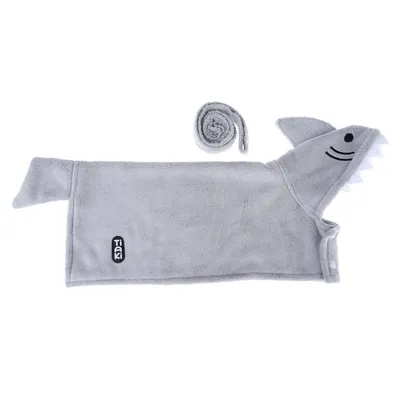
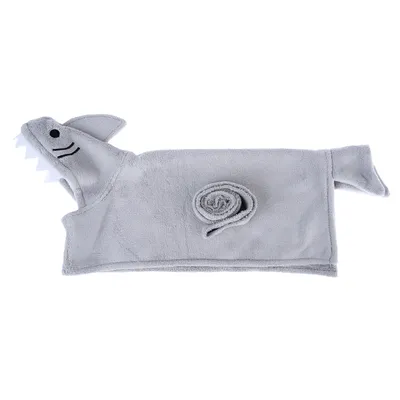
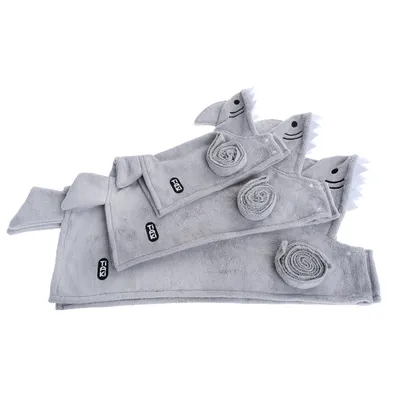
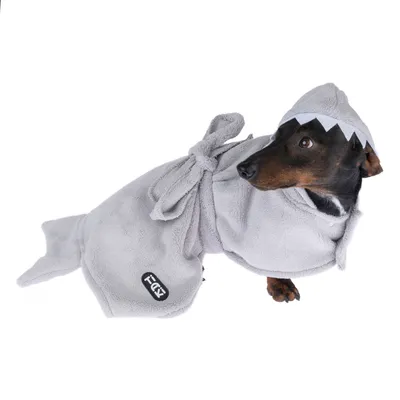
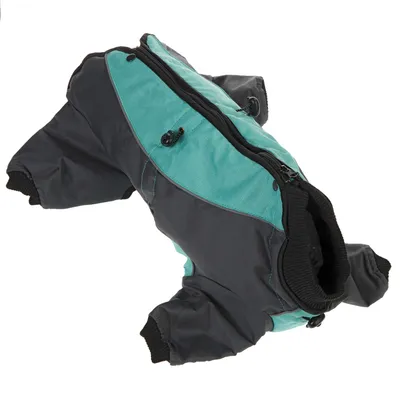
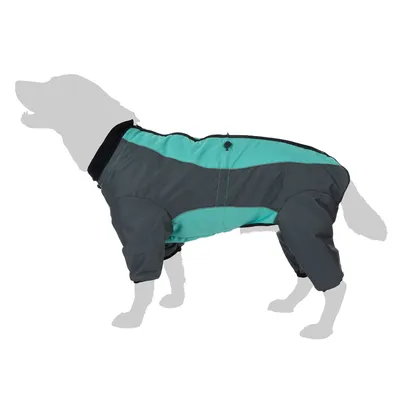
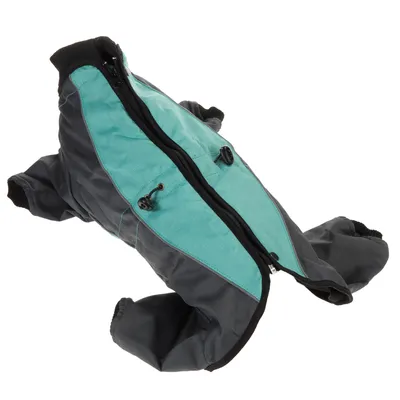
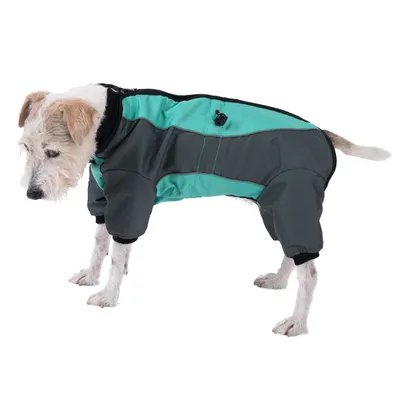
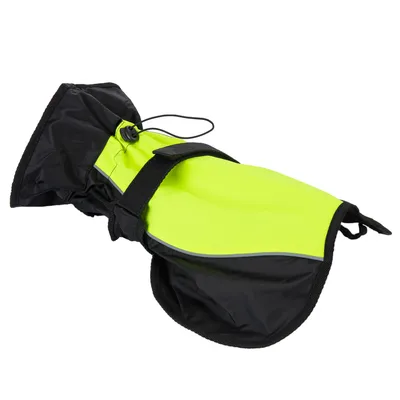
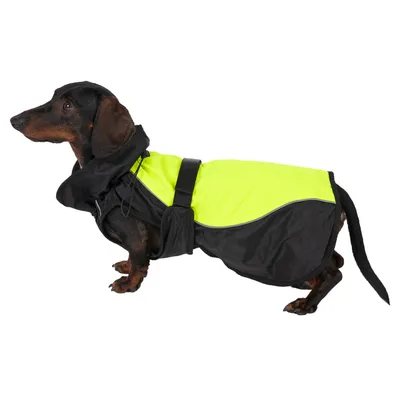
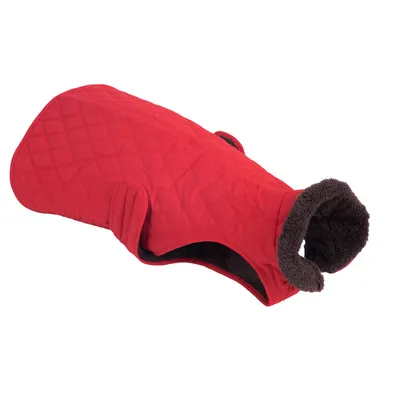
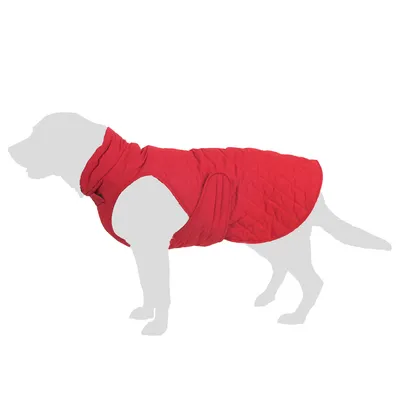

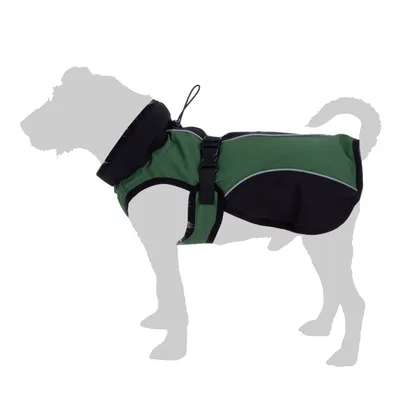
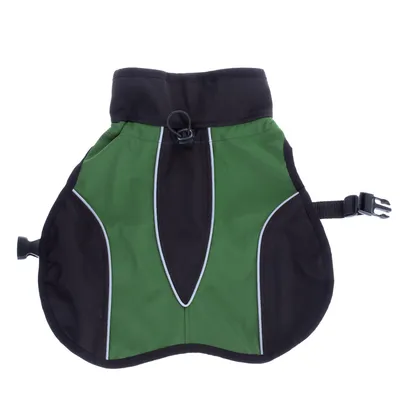
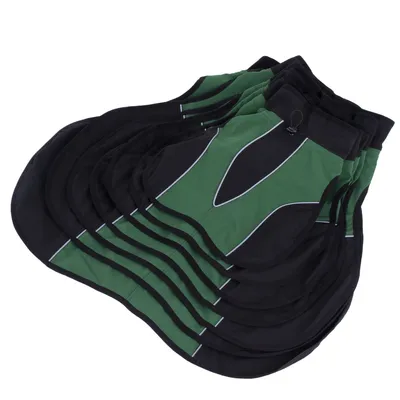
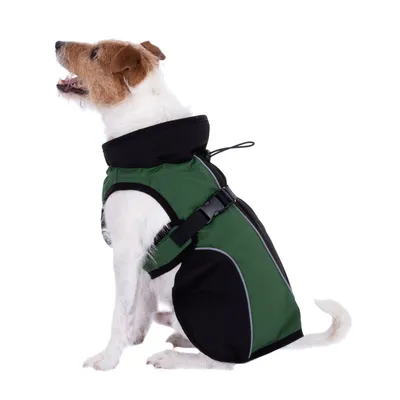

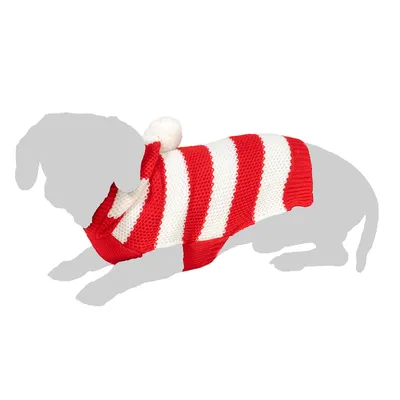
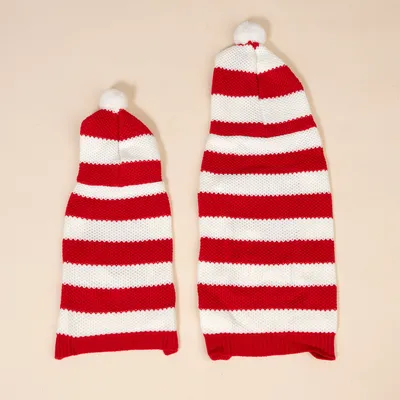
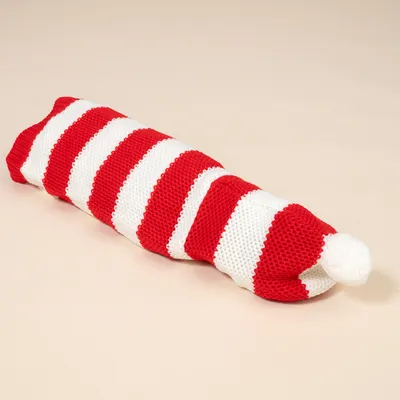

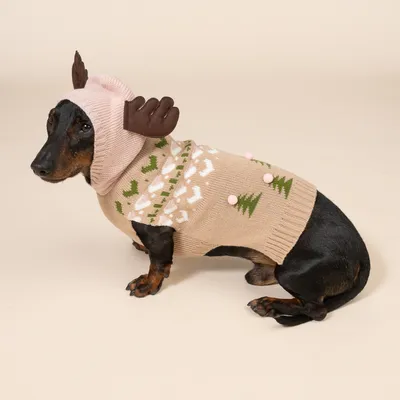
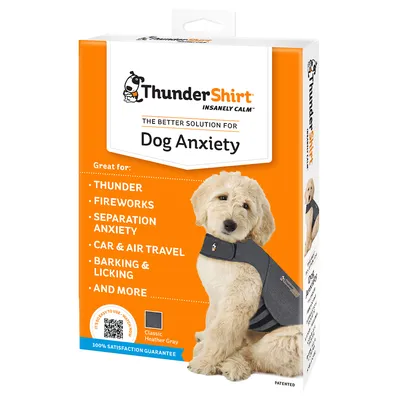
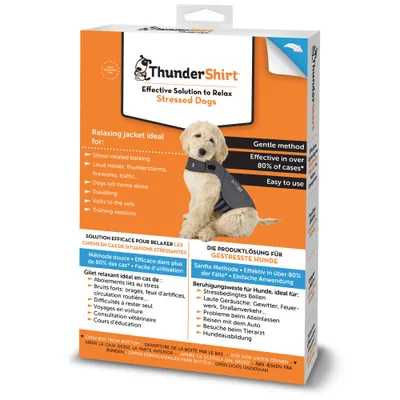
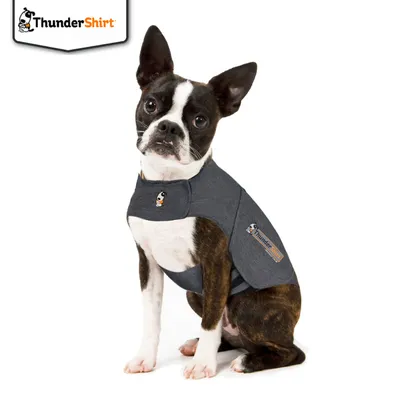
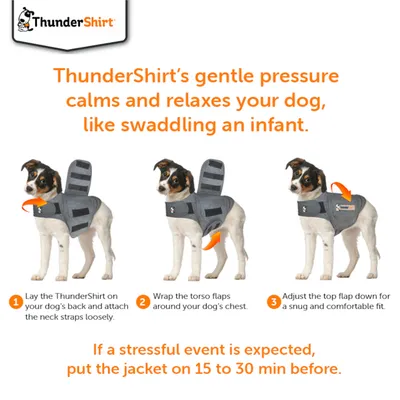
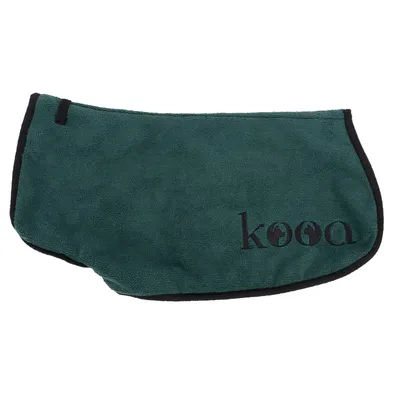
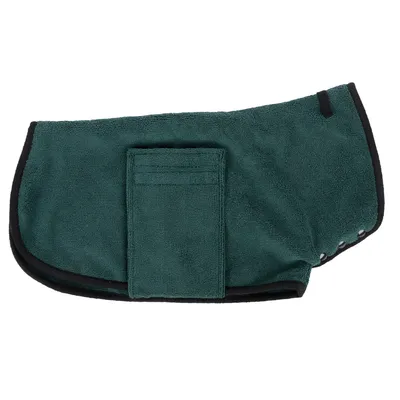

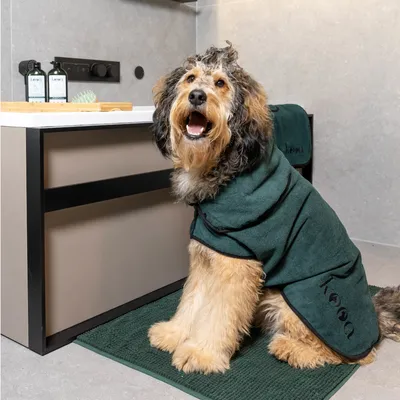
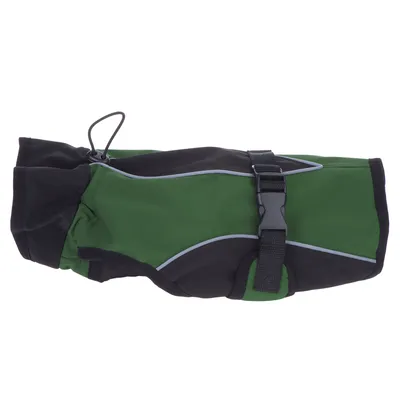


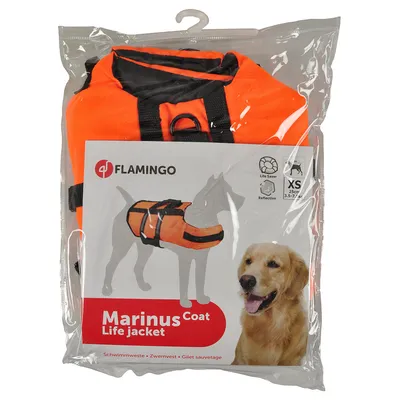
When does my dog need a coat?

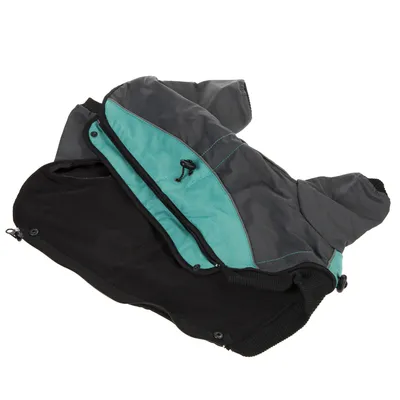
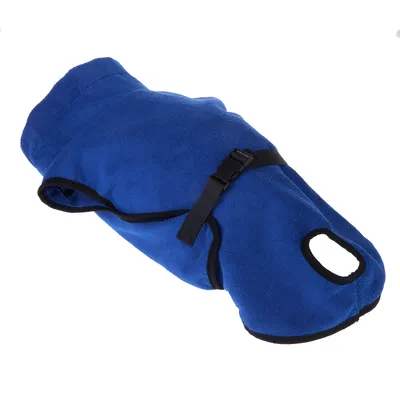
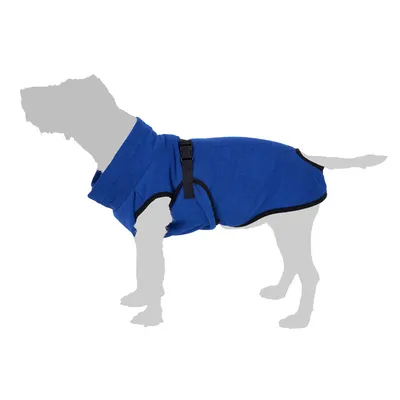
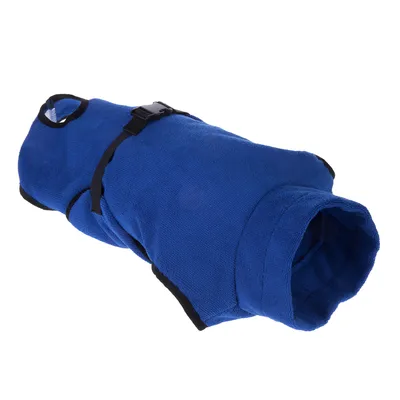
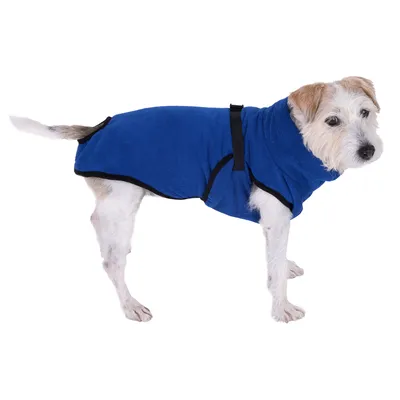
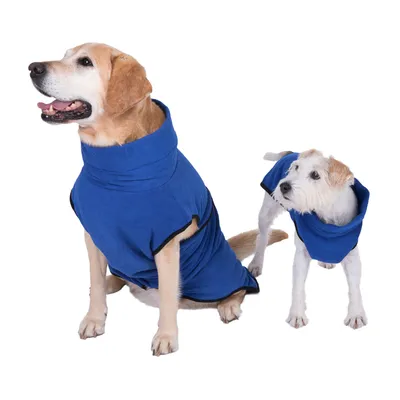
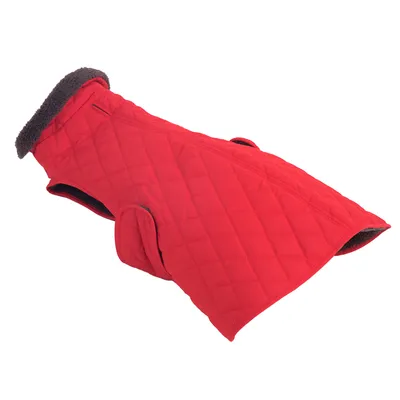
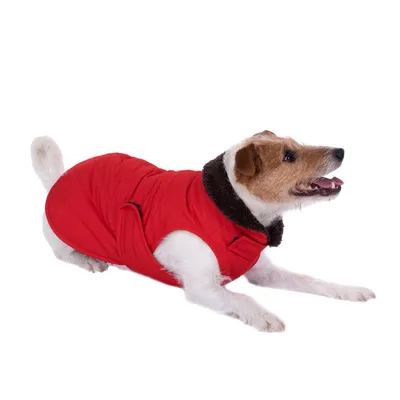
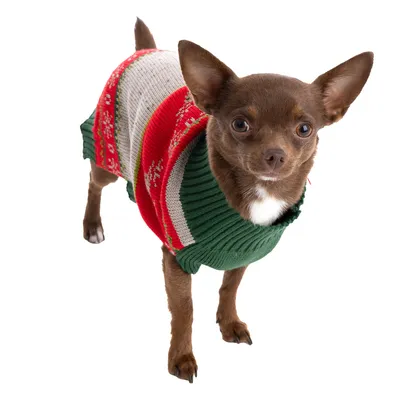
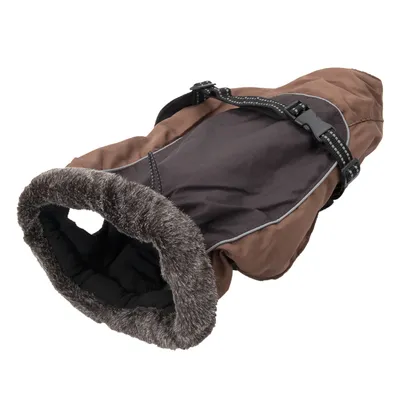
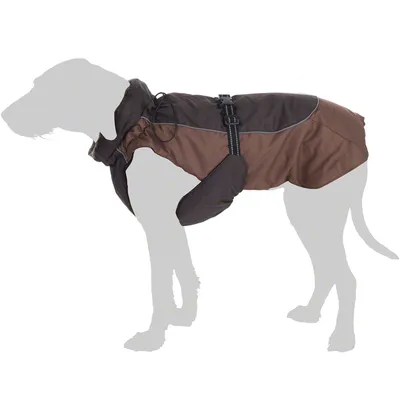
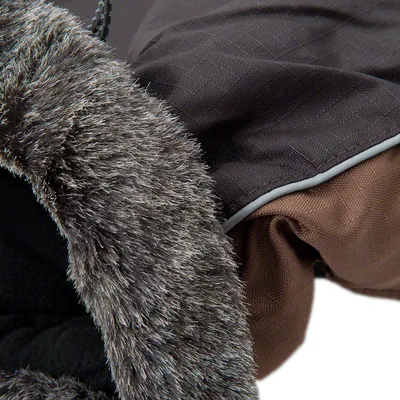
A dog coat can make walks more comfortable and help prevent hypothermia. Small breeds and dogs with short coats, such as Chihuahuas and Whippets, particularly benefit from warm clothing such as padded winter gilets or coats on cold or snowy days.
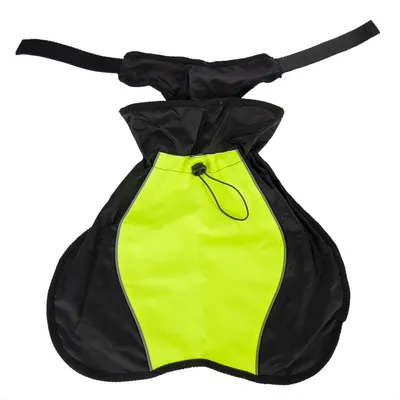
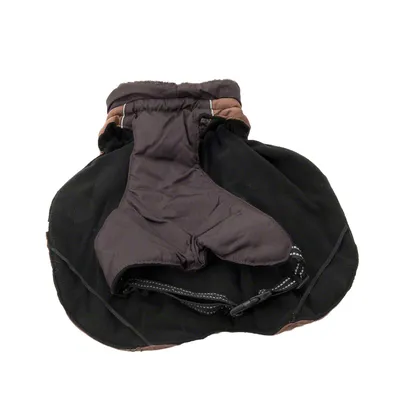
Older or unwell dogs may also need a coat to protect them from the cold, especially if they have difficulty regulating their body temperature or suffer from joint problems. If your dog is sensitive to wet and cold weather or has just been groomed, choose a waterproof dog coat. Jackets that cover their belly are ideal.
As well as dog coats, winter gilets and jackets, zooplus offers a range of other products to keep your dog comfortable during the colder months:
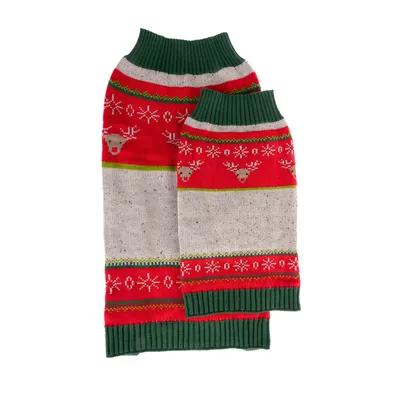
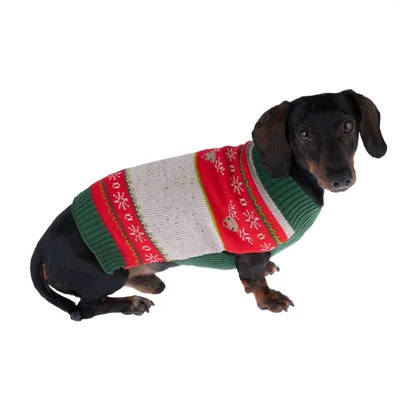
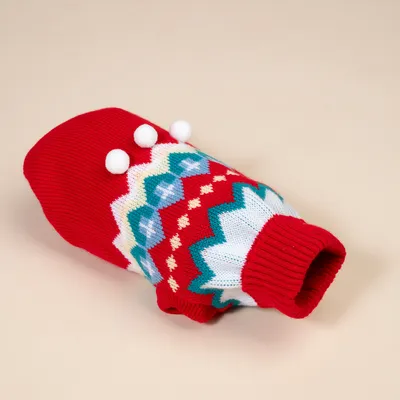
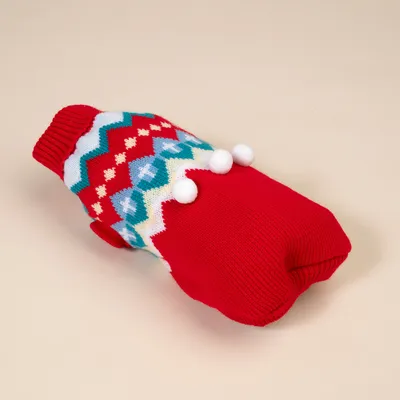
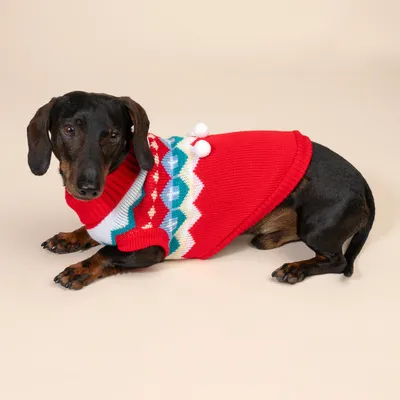
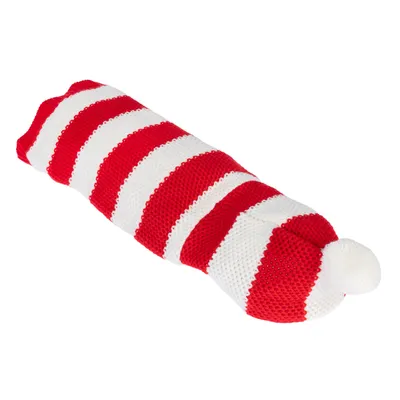
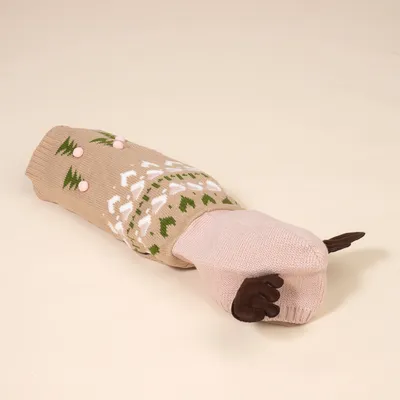
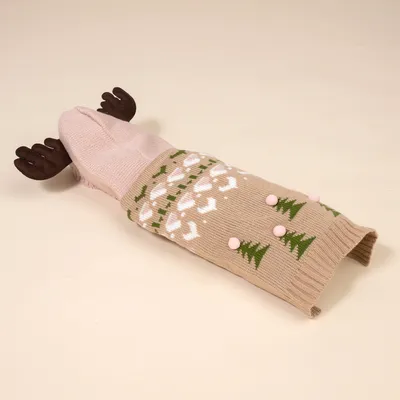
- Dog jumpers
- Dog boots, socks and paw protection
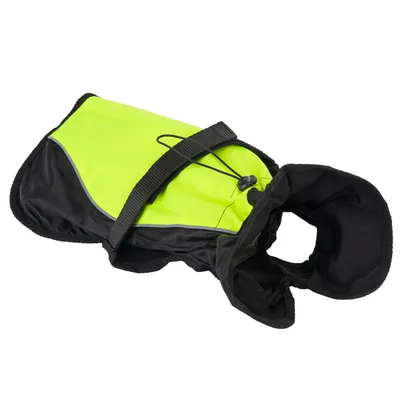
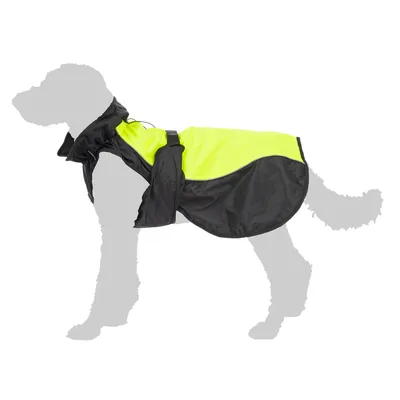
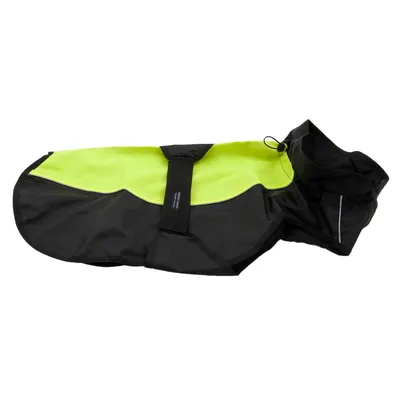
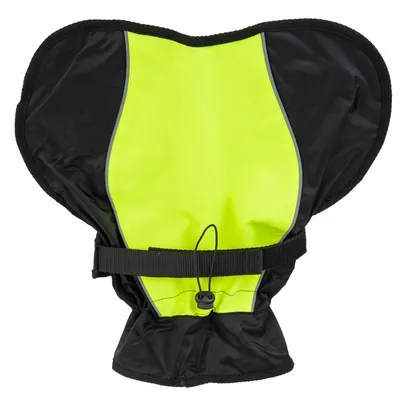
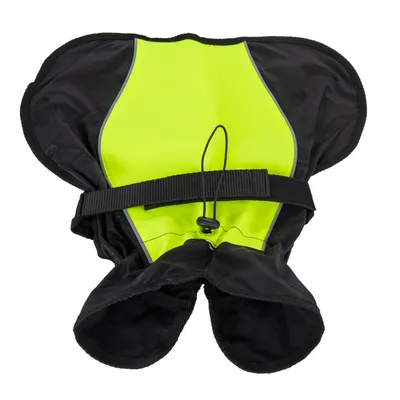
- High-visibility dog vests and reflectors
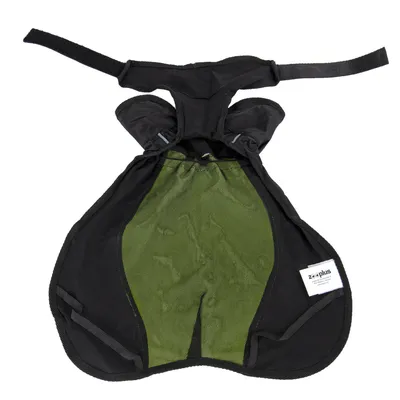
- Dog coats with underbelly protection
- Padded dog coats
This content is a translation of the original text published on zooplus.de, reviewed by Author Aura McMenamin in collaboration with our editorial team. The information provided is for general guidance only and is not a substitute for professional veterinary advice, diagnosis or treatment. Always consult your vet if you have any concerns about your pet’s health or wellbeing.
When does my dog need a coat?
A dog coat can make walks more comfortable and help prevent hypothermia. Small breeds and dogs with short coats, such as Chihuahuas and Whippets, particularly benefit from warm clothing such as padded winter gilets or coats on cold or snowy days.
Older or unwell dogs may also need a coat to protect them from the cold, especially if they have difficulty regulating their body temperature or suffer from joint problems. If your dog is sensitive to wet and cold weather or has just been groomed, choose a waterproof dog coat. Jackets that cover their belly are ideal.
As well as dog coats, winter gilets and jackets, zooplus offers a range of other products to keep your dog comfortable during the colder months:
- Dog jumpers
- Dog boots, socks and paw protection
- High-visibility dog vests and reflectors
- Dog coats with underbelly protection
- Padded dog coats
This content is a translation of the original text published on zooplus.de, reviewed by Author Aura McMenamin in collaboration with our editorial team. The information provided is for general guidance only and is not a substitute for professional veterinary advice, diagnosis or treatment. Always consult your vet if you have any concerns about your pet’s health or wellbeing.
What type of dog coat is right for my dog?
A dog coat should suit outdoor temperatures and weather conditions, as well as your dog’s needs. Keep the following factors in mind:
- Temperature and weather: A lightweight dog coat is often enough in autumn, while a winter coat for dogs is recommended during the colder months. In rain and snow, make sure their winter dog coat is water-repellent.
- Coat type and size: A lined winter dog coat is recommended to protect dogs with little undercoat or very short fur from the cold. Look for a close-fitting design. Coats for large dogs, on the other hand, should have a roomier cut and sturdy, secure fastenings.
- Your dog’s preferences: Some dogs need more flexibility to move comfortably. In this case, lightweight winter dog gilets or jackets made from flexible material are ideal.
- Light conditions: During the darker months, it is best to choose a dog coat with reflective details so that your dog is clearly visible to pedestrians and passing vehicles.
What materials are used in dog coats?
The choice of material is key to a dog coat’s comfort, functionality and ease of care. Depending on its intended use, different fabrics offer specific properties and benefits:
Material | Properties | Benefits |
|---|---|---|
Polyester | Water-repellent (or waterproof if coated), windproof, less breathable | Ideal for wet weather, durable |
Softshell | Breathable, stretchy, water-repellent, less insulating in cold weather | Allows dog to move around, easy to care for |
Nylon | Tear-resistant, often coated; uncoated nylon can feel damp in wet weather | Very durable, windproof |
Fleece (lining) | Warm, soft, moisture-regulating | Very comfortable, insulating |
Wool-blend fabric (lining) | Naturally warm, usually combined with synthetic fibres | Good insulation |
Are dog coats suitable for all coat lengths and types?
Not necessarily. Dogs with a thick undercoat, including many Nordic breeds (e.g. Siberian Huskies, Alaskan Malamutes and Samoyeds), generally do not need a coat, as their fur already provides excellent protection against the cold. These dogs are particularly well adapted to low temperatures, as their dense fur consists of a long, waterproof outer coat and a soft, insulating undercoat.
Which dog breeds should wear a coat outside the winter months too?
Breeds such as sighthounds, Pinschers and short-haired terriers feel the cold quickly and often need extra protection on rainy days in other seasons.
Which dog breeds should wear a coat outside the winter months too?
Breeds such as sighthounds, Pinschers and short-haired terriers feel the cold quickly and often need extra protection on rainy days in other seasons.
At what temperature does a dog need a coat?
As a general rule, dogs that are cold-sensitive, senior or unwell should wear a coat at temperatures below 5 °C. Even if your dog shows no obvious signs of feeling cold, keeping them warm can help prevent health problems. Pay close attention to senior or unwell dogs, as they are often less able to regulate their body temperature than healthy dogs.