

Dog Winter Coats & Extra Warm Clothes
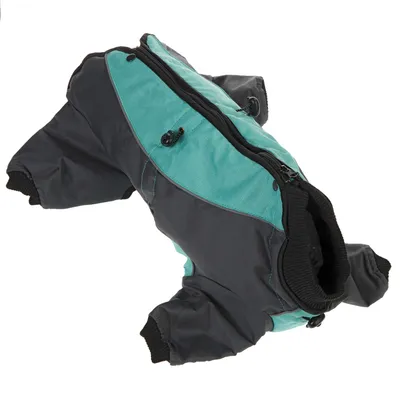
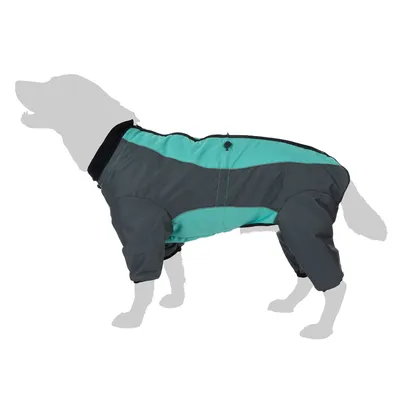
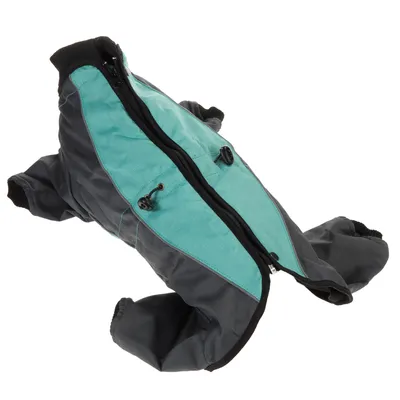
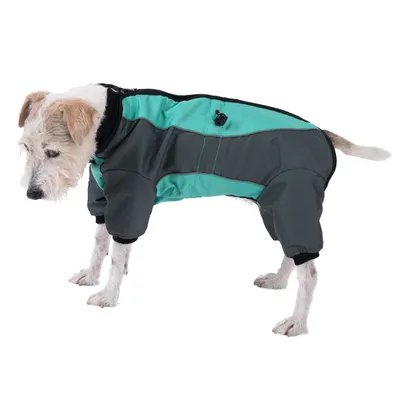
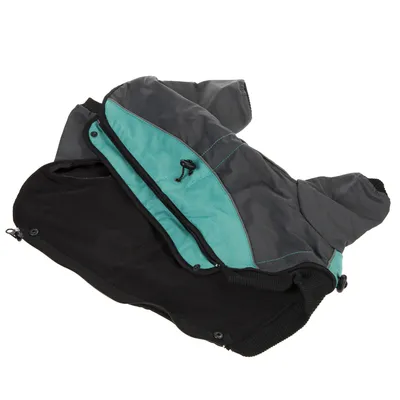

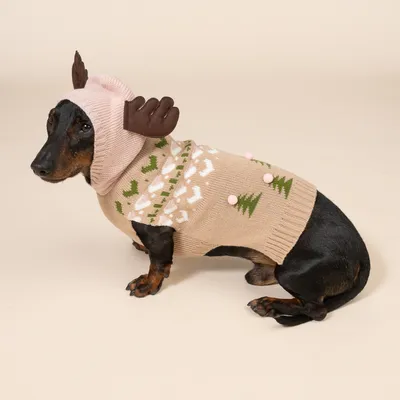
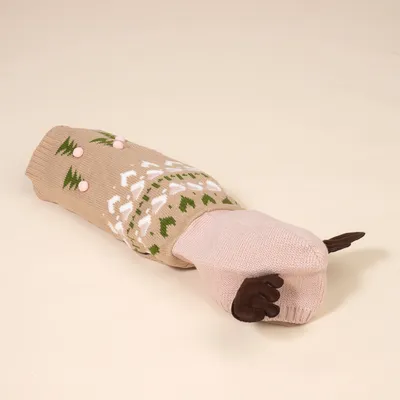
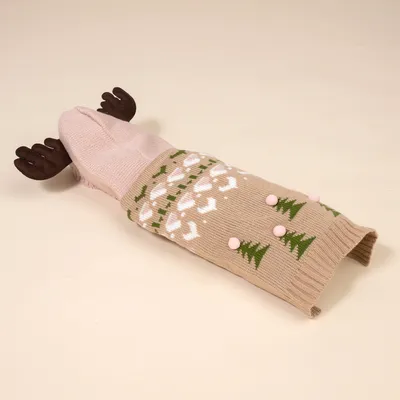
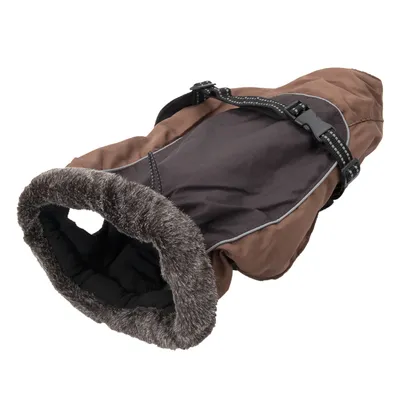
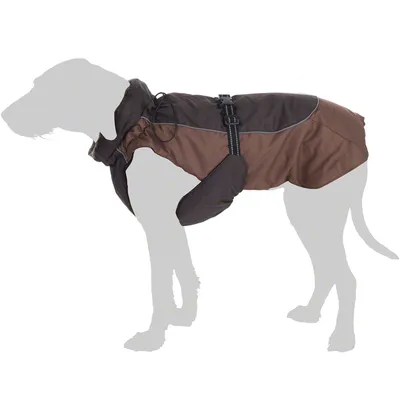
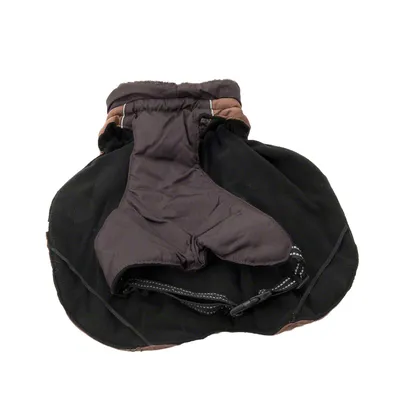
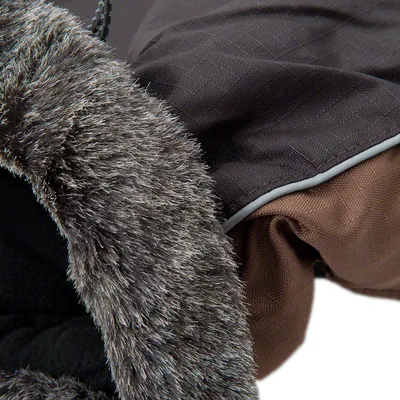

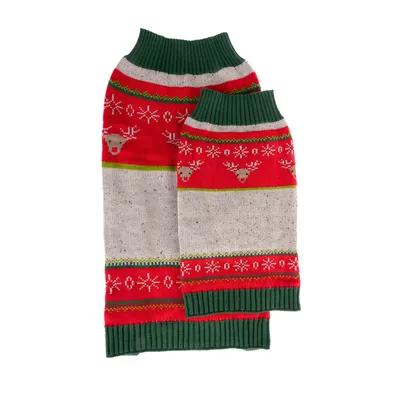
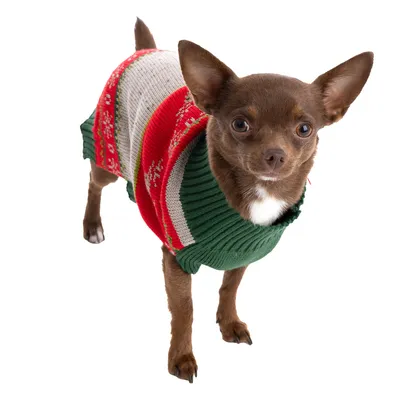
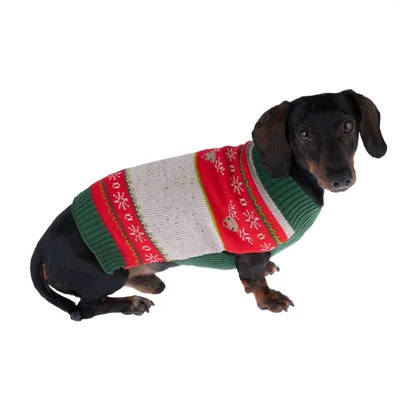
What are the benefits of a warm dog coat in cold or wet weather?

When snow, rain and cold weather are part of daily life, a warm dog coat helps keep your dog warm and dry. If your dog is sensitive to the cold, they may benefit from an extra layer of warmth, particularly around their back, chest and tummy.
Benefits of a warm dog coat:
- Keeps your dog comfortably warm on cold and snowy days.
- Provides reliable protection from wet weather and wind.
- Helps your dog stay active even in low temperatures.
- Suitable for many dog breeds and sizes.
- Comes in a wide range of colours and designs, including waterproof coats and coats with a removable lining.
A well-lined dog winter coat not only keeps your dog comfortable, but can also help prevent muscle tension, hypothermia in dogs and colds. Sensitive, unwell or underweight dogs, as well as senior dogs, are particularly vulnerable.
This content is a translation of the original text published on zooplus.de, reviewed by Author Aura McMenamin in collaboration with our editorial team. The information provided is for general guidance only and is not a substitute for professional veterinary advice, diagnosis or treatment. Always consult your vet if you have any concerns about your pet’s health or wellbeing.
What are the benefits of a warm dog coat in cold or wet weather?
When snow, rain and cold weather are part of daily life, a warm dog coat helps keep your dog warm and dry. If your dog is sensitive to the cold, they may benefit from an extra layer of warmth, particularly around their back, chest and tummy.
Benefits of a warm dog coat:
- Keeps your dog comfortably warm on cold and snowy days.
- Provides reliable protection from wet weather and wind.
- Helps your dog stay active even in low temperatures.
- Suitable for many dog breeds and sizes.
- Comes in a wide range of colours and designs, including waterproof coats and coats with a removable lining.
A well-lined dog winter coat not only keeps your dog comfortable, but can also help prevent muscle tension, hypothermia in dogs and colds. Sensitive, unwell or underweight dogs, as well as senior dogs, are particularly vulnerable.
This content is a translation of the original text published on zooplus.de, reviewed by Author Aura McMenamin in collaboration with our editorial team. The information provided is for general guidance only and is not a substitute for professional veterinary advice, diagnosis or treatment. Always consult your vet if you have any concerns about your pet’s health or wellbeing.
What should I look for when buying a warm dog coat?
The following points are important when choosing a warm dog coat:
- Material: Look for water-repellent, breathable fabrics such as softshell or polyester, which keep your dog dry while retaining warmth.
- Lining: Materials such as fleece or thermal fleece provide extra warmth and comfort. For very cold days, coats with eco-friendly puffer padding made from recycled materials are a sustainable choice.
- Fit: The coat shouldn't restrict your dog. Make sure it covers their back, neck and tummy without limiting their movement.
- Fastening: A zip or hook-and-loop fastening makes the coat easy to put on and take off. A two-way zip or separate lead opening on the back is practical if your dog wears a harness.
- Reflective elements: These make your dog more visible in low-light conditions, helping to keep them safe.
Which accessories go well with warm dog coats in autumn and winter?
As well as an extra-warm dog coat, the right accessories can give your dog even more protection and comfort in cold, wet weather. Waterproof dog boots protect sensitive paws from cold, wet conditions and road salt, while warm dog blankets keep your pet cosy while they rest. Reflective safety accessories make your dog more visible during the darker months, helping to keep them safe on walks at dusk or in foggy conditions. In the zooplus shop, you'll find everything you need for your winter walks:
Which dog breeds need a warm coat in winter?
Dogs with short coats or no undercoat, such as Chihuahuas, Whippets and Dobermanns, are particularly sensitive to the cold and need a warm dog coat in winter, ideally with lining. Whatever the breed, always look out for signs that your dog is cold, such as shivering, tucking in their tail or walking with a hunched posture. A dog winter coat is also often recommended for older or unwell dogs.
What's the best way to care for a warm dog coat?
Most styles are machine-washable at 30°C and should be cleaned regularly to prevent dirt from building up, particularly in coats with a removable lining. Always follow the manufacturer's care instructions to preserve the material and its waterproof properties.