

Flea Protection for Cats

 £23.84
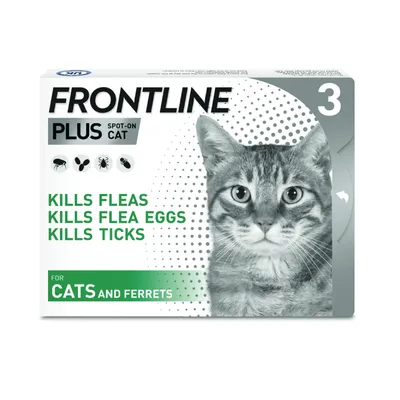
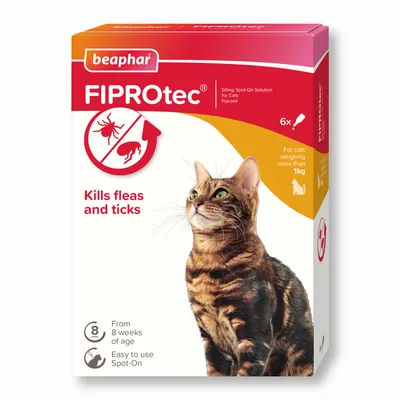
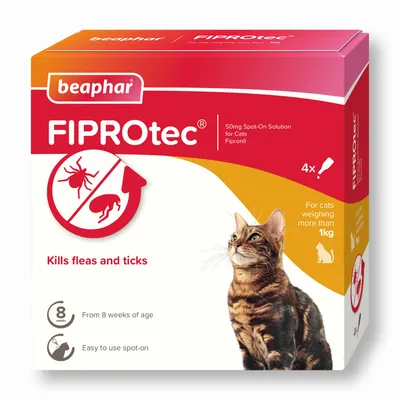

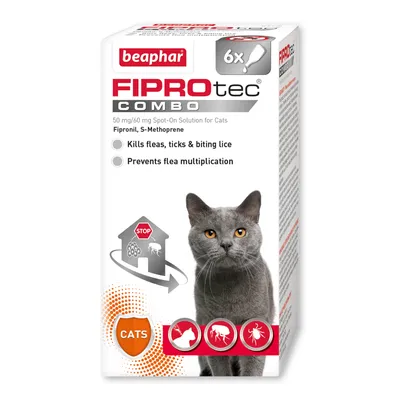
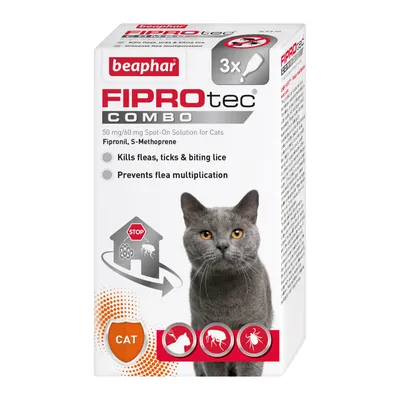

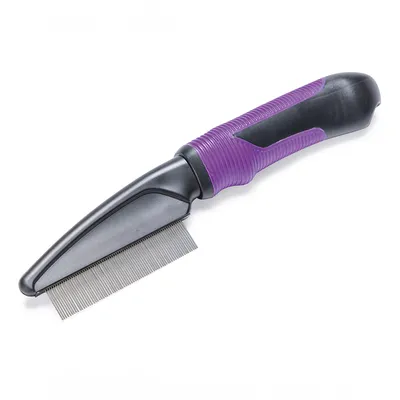




Veterinarian Dr. med. vet. Franziska G. explains: Fleas in cats

"Cats can become infected with fleas in two ways: through direct contact with an already infested animal or through indirect contact via an environment infested with fleas. When fleas suck blood, flea saliva penetrates the skin and causes severe itching and reddening of the skin due to an allergic reaction (flea saliva allergy). However, a flea infestation can have even more dangerous consequences, especially in young or sick cats. The parasites can not only cause anaemia in cats but can also be carriers of infectious agents such as tapeworms, mycoplasma and Bartonella.
If you leave your cat's flea infestation untreated, the fleas can multiply quickly and spread throughout your cat's environment. Eggs and larvae can nest in textiles and furniture, for example. As such, effective flea prevention is particularly important for outdoor cats, as they have a higher risk of getting fleas."
This content is a translation of the original text published on zooplus.de, created by Veterinarian Dr.med.vet. Franziska G., in collaboration with our editorial team. The information provided is for general guidance only and is not a substitute for professional veterinary advice, diagnosis or treatment. Always consult your vet if you have any concerns about your pet’s health or wellbeing.
Veterinarian Dr. med. vet. Franziska G. explains: Fleas in cats
"Cats can become infected with fleas in two ways: through direct contact with an already infested animal or through indirect contact via an environment infested with fleas. When fleas suck blood, flea saliva penetrates the skin and causes severe itching and reddening of the skin due to an allergic reaction (flea saliva allergy). However, a flea infestation can have even more dangerous consequences, especially in young or sick cats. The parasites can not only cause anaemia in cats but can also be carriers of infectious agents such as tapeworms, mycoplasma and Bartonella.
If you leave your cat's flea infestation untreated, the fleas can multiply quickly and spread throughout your cat's environment. Eggs and larvae can nest in textiles and furniture, for example. As such, effective flea prevention is particularly important for outdoor cats, as they have a higher risk of getting fleas."
This content is a translation of the original text published on zooplus.de, created by Veterinarian Dr.med.vet. Franziska G., in collaboration with our editorial team. The information provided is for general guidance only and is not a substitute for professional veterinary advice, diagnosis or treatment. Always consult your vet if you have any concerns about your pet’s health or wellbeing.
At what time of year is flea protection for cats useful?
For a long time, it was assumed that flea control for cats was only necessary in the warmer months. Nowadays, year-round flea protection is recommended, as the parasites are no longer only active in warm seasons, but also at lower temperatures. Having the right anti-flea agent for your cat at hand is therefore not a matter of season, but a preventive measure that should be ensured all year round.
At what time of year is flea protection for cats useful?
For a long time, it was assumed that flea control for cats was only necessary in the warmer months. Nowadays, year-round flea protection is recommended, as the parasites are no longer only active in warm seasons, but also at lower temperatures. Having the right anti-flea agent for your cat at hand is therefore not a matter of season, but a preventive measure that should be ensured all year round.
How can I combat fleas in cats?
The main symptom of fleas in cats is persistent itching. If you suspect your cat has fleas, please follow the instructions below:
- Have your cat checked for fleas by your vet and discuss what treatment options are most suitable.
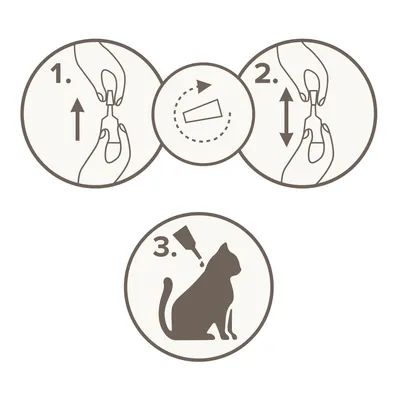
- Choose an effective flea treatment for cats and apply it according to the manufacturer's or your vet's instructions.
- Clean your cat's environment by washing textiles and vacuuming thoroughly.
To prevent a new flea infestation, you should always provide your cat with effective flea protection. You can find more information at: Parasites Affecting Cats: Removing Ticks and Fleas
How can I combat fleas in cats?
The main symptom of fleas in cats is persistent itching. If you suspect your cat has fleas, please follow the instructions below:
- Have your cat checked for fleas by your vet and discuss what treatment options are most suitable.
- Choose an effective flea treatment for cats and apply it according to the manufacturer's or your vet's instructions.
- Clean your cat's environment by washing textiles and vacuuming thoroughly.
To prevent a new flea infestation, you should always provide your cat with effective flea protection. You can find more information at: Parasites Affecting Cats: Removing Ticks and Fleas
What anti-flea agents are available for cats?
At zooplus, you will find various flea treatments for cats that offer different benefits:
- Flea collars for cats usually provide protection for months, and cats can still be bathed with no issues.
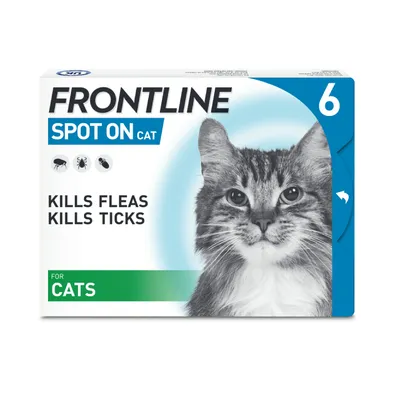
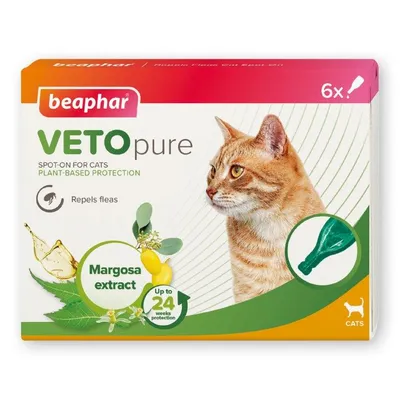
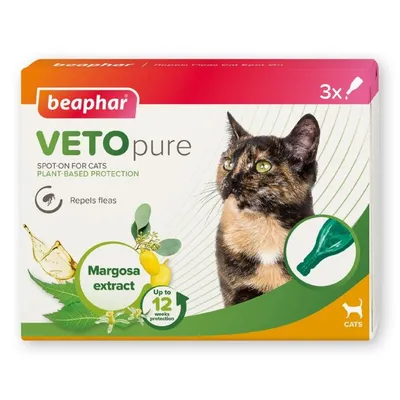
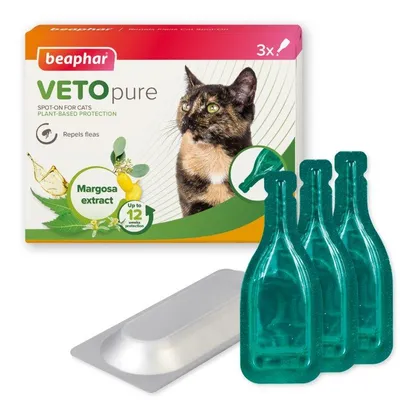
- Spot-on flea treatments for cats can be applied directly between the shoulder blades and on the neck, and offering protection of several weeks.
- Flea tablets usually work particularly quickly and effectively.
- Flea & Tick sprays for cats generally kill fleas quickly and are particularly suitable for treating the surrounding area.
A combination of at least two products is particularly effective.
What anti-flea agents are available for cats?
At zooplus, you will find various flea treatments for cats that offer different benefits:
- Flea collars for cats usually provide protection for months, and cats can still be bathed with no issues.
- Spot-on flea treatments for cats can be applied directly between the shoulder blades and on the neck, and offering protection of several weeks.
- Flea tablets usually work particularly quickly and effectively.
- Flea & Tick sprays for cats generally kill fleas quickly and are particularly suitable for treating the surrounding area.
A combination of at least two products is particularly effective.
What flea controls are available for cats and how do they work?
There are various active ingredients that can be used to prevent or treat fleas in cats. The most commonly used anti-flea agents for cats include the following:
Flea treatment- | Effect- |
|---|---|
Fipronil | Blocks fleas’ nervous system and kills them |
Flumethrin | Blocks fleas’ nervous system and kills them |
Imidacloprid | Blocks fleas’ nervous system and kills them |
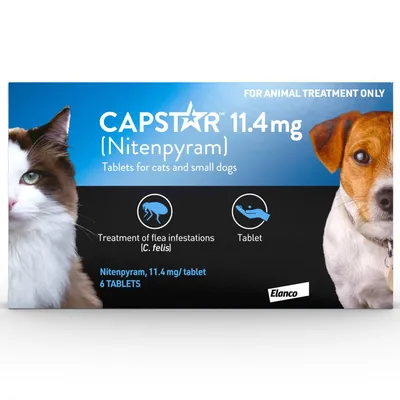
Nitenpyram | Works within hours and kills fleas quickly by disrupting their nervous system |
Neem oil | Can act as a flea repellent and kills fleas |
Permethrin | Quickly kills fleas and eggs by influencing the creature's nervous system |
Citronella | Deters fleas, not lethal |
Flea treatment- | Effect- |
|---|---|
Fipronil | Blocks fleas’ nervous system and kills them |
Flumethrin | Blocks fleas’ nervous system and kills them |
Imidacloprid | Blocks fleas’ nervous system and kills them |
Nitenpyram | Works within hours and kills fleas quickly by disrupting their nervous system |
Neem oil | Can act as a flea repellent and kills fleas |
Permethrin | Quickly kills fleas and eggs by influencing the creature's nervous system |
Citronella | Deters fleas, not lethal |
What flea controls are available for cats and how do they work?
There are various active ingredients that can be used to prevent or treat fleas in cats. The most commonly used anti-flea agents for cats include the following:
Flea treatment- | Effect- |
|---|---|
Fipronil | Blocks fleas’ nervous system and kills them |
Flumethrin | Blocks fleas’ nervous system and kills them |
Imidacloprid | Blocks fleas’ nervous system and kills them |
Nitenpyram | Works within hours and kills fleas quickly by disrupting their nervous system |
Neem oil | Can act as a flea repellent and kills fleas |
Permethrin | Quickly kills fleas and eggs by influencing the creature's nervous system |
Citronella | Deters fleas, not lethal |
Flea treatment- | Effect- |
|---|---|
Fipronil | Blocks fleas’ nervous system and kills them |
Flumethrin | Blocks fleas’ nervous system and kills them |
Imidacloprid | Blocks fleas’ nervous system and kills them |
Nitenpyram | Works within hours and kills fleas quickly by disrupting their nervous system |
Neem oil | Can act as a flea repellent and kills fleas |
Permethrin | Quickly kills fleas and eggs by influencing the creature's nervous system |
Citronella | Deters fleas, not lethal |
When do fleas die after applying flea treatment on cats?
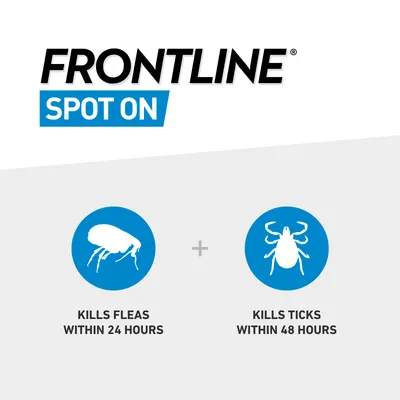
How quickly fleas die after treatment depends on the active ingredient used. Most active ingredients start killing fleas within the first day or two after starting treatment.
When do fleas die after applying flea treatment on cats?
How quickly fleas die after treatment depends on the active ingredient used. Most active ingredients start killing fleas within the first day or two after starting treatment.
Where do cat fleas lay their eggs?
Fleas lay their eggs not only in the cat's fur, but also in their immediate environment. This includes furniture, upholstery, carpets and bedding.
Where do cat fleas lay their eggs?
Fleas lay their eggs not only in the cat's fur, but also in their immediate environment. This includes furniture, upholstery, carpets and bedding.
How long do cat fleas survive in the home?
Cat fleas can survive in the cat's environment for a very long time, up to several weeks. In the case of a flea infestation, it is therefore very important to treat not only the cat but also their surroundings.
How long do cat fleas survive in the home?
Cat fleas can survive in the cat's environment for a very long time, up to several weeks. In the case of a flea infestation, it is therefore very important to treat not only the cat but also their surroundings.