Basket

Dog Treats

Dog treats are a great way to support training, reward good behaviour, and strengthen your bond with your dog. At zooplus, we have a wide selection of dog bones and natural dog chews, dog training treats, dog biscuits, and much more available in a variety of ingredient combinations to suit different dietary preferences, so you can find the right treats for your dog.

193 - 240 of 782 products
product items have been changed
£19.39
£20.20 / kg
£18.42
Rating: 5/5(1)
zooplus Repeat
zooplus choice
Rocco Chings Originals XXL, 100% dried chicken breast, resealable packaging, 900g.
2 options
Offer ends soon
Dentastix daily oral care pack showing triple action: reduces tartar by up to 80%, cleans hard to reach teeth, supports gum health. Contains four sticks and uses natural ingredients.
4 options
£1.99
£12.92 / kg
£1.89
Rating: 4/5(73)
zooplus Repeat
Offer ends soon
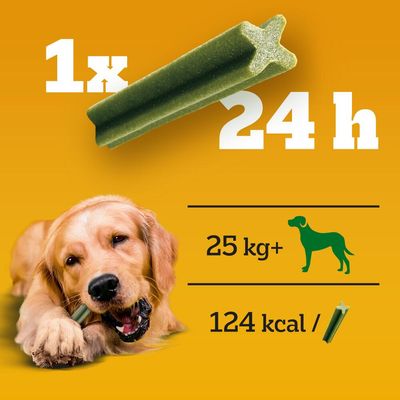
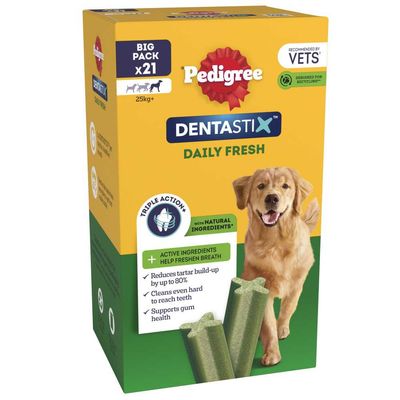
Pedigree Dentastix Daily Fresh, big pack of 28 for 10-25kg. Active ingredients help freshen breath, reduce tartar by up to 80%, clean hard to reach teeth and support gum health.
3 options
Individually
£29.16
£27.09
£9.41 / kg
Rating: 5/5(9)
Individually
£13.96
£12.29
£13.66 / kg
Rating: 4/5(17)
zooplus choice
Wolf of Wilderness RAW Lamb Lung freeze-dried snack, four tubs shown with large red percentage discount symbol
8 options
Individually
£22.47
£16.99
£75.51 / kg
£16.14
Rating: 5/5(3)
zooplus Repeat
Individually
£12.98
£11.69
£25.41 / kg
£11.11
Not Rated
zooplus Repeat
Offer ends soon
2 options
£1.79
£14.55 / kg
£1.70
Rating: 5/5(35)
zooplus Repeat
Individually
£11.56
£10.39
£12.99 / kg
£9.87
Rating: 5/5(1)
zooplus Repeat
Offer ends soon
6 options
Individually
£23.66
£22.29
£11.06 / kg
Rating: 5/5(13)
zooplus choice
Wolf of Wilderness RAW Lamb Lung freeze-dried snack, four tubs shown with large red percentage discount symbol
8 options
£3.99
£19.95 / kg
£3.79
Rating: 5/5(39)
zooplus Repeat
Individually
£39.48
£35.99
£15.00 / kg
£34.19
Rating: 5/5(14)
zooplus Repeat
£1.39
£11.58 / kg
£1.32
Rating: 4/5(2)
zooplus Repeat
Individually
£13.16
£12.29
£13.66 / kg
Rating: 4/5(17)
Offer ends soon
8in1 Flavours Triple Flavour Bone, chew bone with three flavours: beef hide, chicken breast and pork hide. Size L for dogs over 25kg.
£10.29
£121.06 / kg
£9.78
Not Rated
zooplus Repeat
Offer ends soon
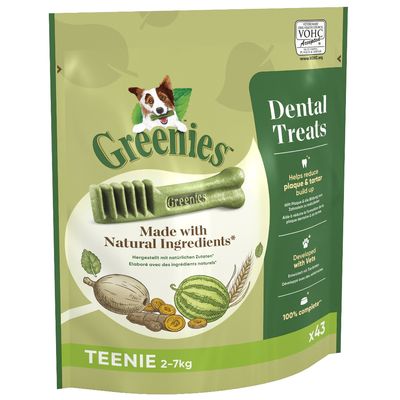
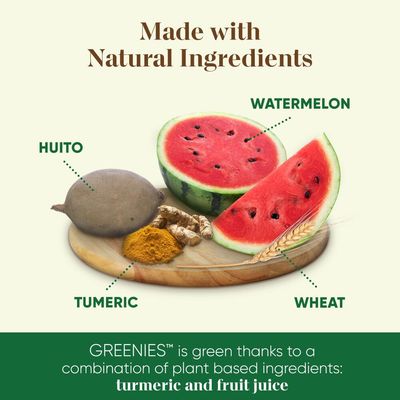
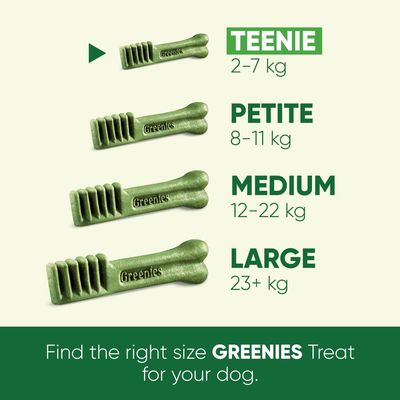
Greenies dental treats, made with natural ingredients, 170g pack for 2-7kg pets. Helps reduce plaque and tartar, developed with vets, 100% complete, contains 22 treats.
5 options
£8.69
£51.12 / kg
Rating: 4/5(8)
Individually
£14.36
£12.29
£13.66 / kg
Rating: 4/5(17)
£42.29
£2.82 / kg
£40.18
Not Rated
zooplus Repeat
zooplus choice
8in1 Delights Chicken Bone, delicious chicken breast inside, long-lasting chewing fun. Size M for dogs 10-25kg.
3 options
Offer ends soon
Pedigree Puppy DentaTubos First Stage Care, pack of 3 with chicken. Tasty and kind to teeth, rich in calcium.
2 options
£1.49
£20.69 / kg
£1.42
Rating: 5/5(9)
zooplus Repeat
£1.49
£29.80 / kg
£1.42
Rating: 5/5(8)
zooplus Repeat
Offer ends soon
6 options
Individually
£23.66
£22.29
£11.06 / kg
Rating: 5/5(13)
Offer ends soon
Whimzees Wellness Daily Dental Treats for dogs, 56 pieces, hypoallergenic, gluten-free, reduces plaque and tartar, fresh breath, natural ingredients, three shapes: alligator, toothbrush, stix.
8 options
RRP*
£17.99
£15.49
£18.44 / kg
Rating: 4/5(3)
zooplus choice
Dokas 1 metre chew roll with duck, three pieces in packaging, suitable for dogs.
2 options
£5.79
£18.38 / kg
£5.50
Rating: 5/5(70)
zooplus Repeat
Offer ends soon
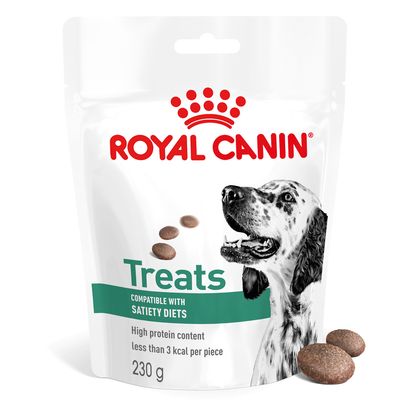
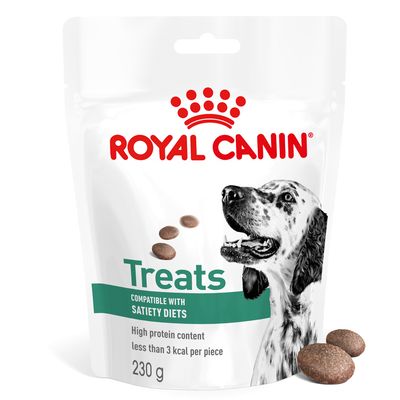
Cubes with 100% natural duck, added prebiotics, no added sugar, less than 3 kcal per piece. Ideal for training. 70g pack shown.
2 options
£2.69
£38.43 / kg
£2.56
Rating: 5/5(12)
zooplus Repeat
£4.89
£43.27 / kg
£4.65
Rating: 5/5(3)
zooplus Repeat

What types of dog treats are there, and what’s in them?

When choosing a treat, ingredients matter. Here are the most common treat types and what to consider:

  1. Chew strips: Typically semi-moist and often made with a poultry or beef base. They may include vegetable-derived ingredients for variety.
  2. Chew sticks: Firmer and longer-lasting, typically made with dried meat or natural fibres. Always check for a declared protein source to match your dog’s dietary preferences or sensitivities.
  3. Dog bones: Available air-dried or smoked. Match the bone size to your dog’s chewing style, and supervise use.
  4. Dog biscuits: Offered in low-fat, vegetarian, or single-protein varieties. Look for options without artificial colours, flavours, or added sugar.
  5. Functional treats: Formulated for specific feeding preferences.

We’ve put together some special dog treats offers and trial packs to help you explore what works best for your dog.

Remember: Check labels carefully and consult your vet for special dietary requirements.

What types of dog treats are there, and what’s in them?

When choosing a treat, ingredients matter. Here are the most common treat types and what to consider:

  1. Chew strips: Typically semi-moist and often made with a poultry or beef base. They may include vegetable-derived ingredients for variety.
  2. Chew sticks: Firmer and longer-lasting, typically made with dried meat or natural fibres. Always check for a declared protein source to match your dog’s dietary preferences or sensitivities.
  3. Dog bones: Available air-dried or smoked. Match the bone size to your dog’s chewing style, and supervise use.
  4. Dog biscuits: Offered in low-fat, vegetarian, or single-protein varieties. Look for options without artificial colours, flavours, or added sugar.
  5. Functional treats: Formulated for specific feeding preferences.

We’ve put together some special dog treats offers and trial packs to help you explore what works best for your dog.

Remember: Check labels carefully and consult your vet for special dietary requirements.

How do I choose the perfect dog treat?

Not every treat suits every dog. Age, dietary needs, and treating reason play a role in making the best choice. Here’s a guide to help you choose:

Factor

Age

What to keep in mind

Choose age-appropriate treats, like senior dog treats or puppy treats.

Factor

Dietary requirements

What to keep in mind

If your dog has sensitive digestion or food intolerances, especially to grains or common proteins like chicken, consider low-fat dog treats, grain-free dog treats, limited-ingredient treats, or specially formulated sensitive treats for dogs.

Factor

Purpose

What to keep in mind

Treats can be used for training, teething, or simply adding variety to your dog’s routine. Some include ingredients selected by pet owners for specific feeding preferences, such as supporting oral hygiene, maintaining coat condition, or aiding mobility. Always consult your vet before introducing treats for specific needs.

Factor
What to keep in mind

Age

Choose age-appropriate treats, like senior dog treats or puppy treats.

Dietary requirements

If your dog has sensitive digestion or food intolerances, especially to grains or common proteins like chicken, consider low-fat dog treats, grain-free dog treats, limited-ingredient treats, or specially formulated sensitive treats for dogs.

Purpose

Treats can be used for training, teething, or simply adding variety to your dog’s routine. Some include ingredients selected by pet owners for specific feeding preferences, such as supporting oral hygiene, maintaining coat condition, or aiding mobility. Always consult your vet before introducing treats for specific needs.

Don’t forget: Dental toys like olive wood chew sticks are free from artificial ingredients, designed to be long-lasting, and may help satisfy your dog’s natural chewing behavior.

Tip: Treat bags and pouches make it easier to reward consistently during training. 

How do I choose the perfect dog treat?

Not every treat suits every dog. Age, dietary needs, and treating reason play a role in making the best choice. Here’s a guide to help you choose:

Factor

Age

What to keep in mind

Choose age-appropriate treats, like senior dog treats or puppy treats.

Factor

Dietary requirements

What to keep in mind

If your dog has sensitive digestion or food intolerances, especially to grains or common proteins like chicken, consider low-fat dog treats, grain-free dog treats, limited-ingredient treats, or specially formulated sensitive treats for dogs.

Factor

Purpose

What to keep in mind

Treats can be used for training, teething, or simply adding variety to your dog’s routine. Some include ingredients selected by pet owners for specific feeding preferences, such as supporting oral hygiene, maintaining coat condition, or aiding mobility. Always consult your vet before introducing treats for specific needs.

Factor
What to keep in mind

Age

Choose age-appropriate treats, like senior dog treats or puppy treats.

Dietary requirements

If your dog has sensitive digestion or food intolerances, especially to grains or common proteins like chicken, consider low-fat dog treats, grain-free dog treats, limited-ingredient treats, or specially formulated sensitive treats for dogs.

Purpose

Treats can be used for training, teething, or simply adding variety to your dog’s routine. Some include ingredients selected by pet owners for specific feeding preferences, such as supporting oral hygiene, maintaining coat condition, or aiding mobility. Always consult your vet before introducing treats for specific needs.

Don’t forget: Dental toys like olive wood chew sticks are free from artificial ingredients, designed to be long-lasting, and may help satisfy your dog’s natural chewing behavior.

Tip: Treat bags and pouches make it easier to reward consistently during training. 

How do I choose the right size chew for my dog?

When choosing a chew, it’s important to consider your dog’s size, jaw strength, and chewing habits.

  • Small dogs (under 10 kg) typically require smaller, softer chews.
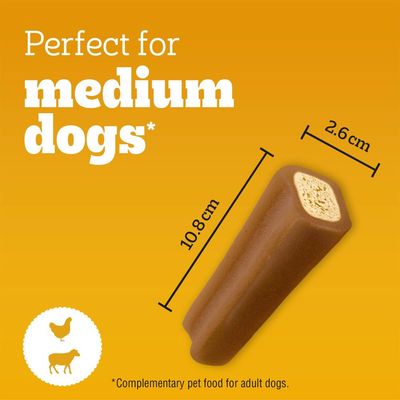
  • Medium dogs (10–25 kg) are best suited to medium-sized chews with moderate firmness.
  • Large dogs (over 25 kg) usually need larger, more durable chews that can withstand vigorous chewing.

The chew should be large enough that it cannot be swallowed whole, and its texture should match your dog’s chewing style. Softer chews may be more appropriate for puppies or older dogs, while firmer options are better for enthusiastic chewers.

Always follow the manufacturer’s size guidelines, supervise your dog while they chew, and ensure fresh drinking water is available. Selecting the right size helps promote a safe and enjoyable chewing experience.

How do I choose the right size chew for my dog?

When choosing a chew, it’s important to consider your dog’s size, jaw strength, and chewing habits.

  • Small dogs (under 10 kg) typically require smaller, softer chews.
  • Medium dogs (10–25 kg) are best suited to medium-sized chews with moderate firmness.
  • Large dogs (over 25 kg) usually need larger, more durable chews that can withstand vigorous chewing.

The chew should be large enough that it cannot be swallowed whole, and its texture should match your dog’s chewing style. Softer chews may be more appropriate for puppies or older dogs, while firmer options are better for enthusiastic chewers.

Always follow the manufacturer’s size guidelines, supervise your dog while they chew, and ensure fresh drinking water is available. Selecting the right size helps promote a safe and enjoyable chewing experience.

What is the difference between dog treats and chews?

Treats are typically small, quick-to-eat snacks used for training or rewards. Chews tend to last longer and are chosen based on texture and chewing behaviour.

What is the difference between dog treats and chews?

Treats are typically small, quick-to-eat snacks used for training or rewards. Chews tend to last longer and are chosen based on texture and chewing behaviour.

Why should I give my dog treats and chews?

Many owners use treats for training or bonding, while chews offer enrichment and engagement, especially for dogs who enjoy extended chewing.

Why should I give my dog treats and chews?

Many owners use treats for training or bonding, while chews offer enrichment and engagement, especially for dogs who enjoy extended chewing.

How often should I give my dog treats and chews?

Treats can be given daily in moderation. Frequency depends on the type and your dog’s individual needs. Always consult your vet for tailored advice.

How often should I give my dog treats and chews?

Treats can be given daily in moderation. Frequency depends on the type and your dog’s individual needs. Always consult your vet for tailored advice.