

Ferret Treats
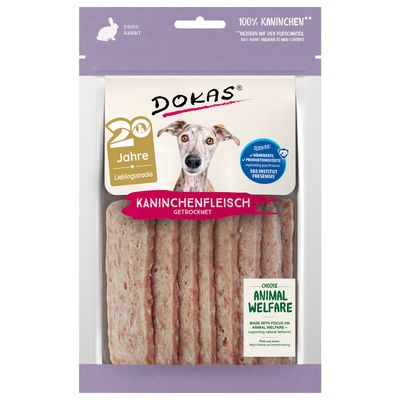


 £1.80
£1.80

Veterinarian Dr. med. vet. Franziska G. explains: Ferret treats

"Ferrets rely on a meat-based diet, as they cannot fully digest vegetable matter. The fact that ferrets are adapted to digesting meat is also reflected in the special features of their gastrointestinal tract: the pH value of their stomach acid is very low (acidic) and their intestines are relatively short.
That being said, ferrets need a variety of animal proteins to obtain sufficient nutrients. In addition to their usual diet, ferret supplements and ferret snacks should have a high proportion of meat, If ferrets are fed an unbalanced diet or are unable to digest properly due to illness, they can easily develop a deficiency. In such cases, it is important to consult a vet and learn out about possible dietary supplements."
This content is a translation of the original text published on zooplus.de, created by Veterinarian Dr.med.vet. Franziska G., in collaboration with our editorial team. The information provided is for general guidance only and is not a substitute for professional veterinary advice, diagnosis or treatment. Always consult your vet if you have any concerns about your pet’s health or wellbeing.
Veterinarian Dr. med. vet. Franziska G. explains: Ferret treats
"Ferrets rely on a meat-based diet, as they cannot fully digest vegetable matter. The fact that ferrets are adapted to digesting meat is also reflected in the special features of their gastrointestinal tract: the pH value of their stomach acid is very low (acidic) and their intestines are relatively short.
That being said, ferrets need a variety of animal proteins to obtain sufficient nutrients. In addition to their usual diet, ferret supplements and ferret snacks should have a high proportion of meat, If ferrets are fed an unbalanced diet or are unable to digest properly due to illness, they can easily develop a deficiency. In such cases, it is important to consult a vet and learn out about possible dietary supplements."
This content is a translation of the original text published on zooplus.de, created by Veterinarian Dr.med.vet. Franziska G., in collaboration with our editorial team. The information provided is for general guidance only and is not a substitute for professional veterinary advice, diagnosis or treatment. Always consult your vet if you have any concerns about your pet’s health or wellbeing.
Which treats are suitable for ferrets?
When choosing treats for ferrets, it is generally advisable to choose ones that do not contain seasoning or artificial additives. Also note that snacks should be fed in moderation to avoid obesity and other health problems.
Most snacks for ferrets are meat-based, for example:
- Cooked meat (e.g. boiled chicken)
- Offal (e.g. chicken liver, poultry hearts)
- Dried treats (e.g. dried meat, dried fish)
- Chews (e.g. dried chicken feet, chew bones)
Ferret food and ferret accessories can be found in the zooplus shop.
Which treats are suitable for ferrets?
When choosing treats for ferrets, it is generally advisable to choose ones that do not contain seasoning or artificial additives. Also note that snacks should be fed in moderation to avoid obesity and other health problems.
Most snacks for ferrets are meat-based, for example:
- Cooked meat (e.g. boiled chicken)
- Offal (e.g. chicken liver, poultry hearts)
- Dried treats (e.g. dried meat, dried fish)
- Chews (e.g. dried chicken feet, chew bones)
Ferret food and ferret accessories can be found in the zooplus shop.
When does it make sense to supplement ferrets' food with treats and snacks?
Your vet may recommend special treats for your ferret in the following situations:
Reason- | Description- |
|---|---|
Skin problems | If your ferret suffers from skin irritation or hair loss, special snacks for ferrets with a high proportion of omega-3 and omega-6 fatty acids can provide relief. |
Malnutrition | If your ferret is malnourished or suffering from a debilitating illness, high-calorie snacks can fulfil their energy requirements. |
Kidney disease | Kidney care snacks with a low protein and phosphorus content can support kidneys. |
Digestive problems | In the event of constipation or diarrhoea, a targeted feed supplement with pro- and prebiotics can be useful, as these can contribute to gut flora and digestion stability. |
Tartar | Chewables such as dried cattle ears promote natural tooth abrasion and thus help to reduce plaque and tartar build-up. |
Reason- | Description- |
|---|---|
Skin problems | If your ferret suffers from skin irritation or hair loss, special snacks for ferrets with a high proportion of omega-3 and omega-6 fatty acids can provide relief. |
Malnutrition | If your ferret is malnourished or suffering from a debilitating illness, high-calorie snacks can fulfil their energy requirements. |
Kidney disease | Kidney care snacks with a low protein and phosphorus content can support kidneys. |
Digestive problems | In the event of constipation or diarrhoea, a targeted feed supplement with pro- and prebiotics can be useful, as these can contribute to gut flora and digestion stability. |
Tartar | Chewables such as dried cattle ears promote natural tooth abrasion and thus help to reduce plaque and tartar build-up. |
When does it make sense to supplement ferrets' food with treats and snacks?
Your vet may recommend special treats for your ferret in the following situations:
Reason- | Description- |
|---|---|
Skin problems | If your ferret suffers from skin irritation or hair loss, special snacks for ferrets with a high proportion of omega-3 and omega-6 fatty acids can provide relief. |
Malnutrition | If your ferret is malnourished or suffering from a debilitating illness, high-calorie snacks can fulfil their energy requirements. |
Kidney disease | Kidney care snacks with a low protein and phosphorus content can support kidneys. |
Digestive problems | In the event of constipation or diarrhoea, a targeted feed supplement with pro- and prebiotics can be useful, as these can contribute to gut flora and digestion stability. |
Tartar | Chewables such as dried cattle ears promote natural tooth abrasion and thus help to reduce plaque and tartar build-up. |
Reason- | Description- |
|---|---|
Skin problems | If your ferret suffers from skin irritation or hair loss, special snacks for ferrets with a high proportion of omega-3 and omega-6 fatty acids can provide relief. |
Malnutrition | If your ferret is malnourished or suffering from a debilitating illness, high-calorie snacks can fulfil their energy requirements. |
Kidney disease | Kidney care snacks with a low protein and phosphorus content can support kidneys. |
Digestive problems | In the event of constipation or diarrhoea, a targeted feed supplement with pro- and prebiotics can be useful, as these can contribute to gut flora and digestion stability. |
Tartar | Chewables such as dried cattle ears promote natural tooth abrasion and thus help to reduce plaque and tartar build-up. |
What are ferrets' favourite treats?
In the wild, ferrets mainly eat animal protein such as raw meat from small mammals, eggs or chicks. This makes specially-formulated meat-based ferret treats, but sometimes also certain dog or cat treats, ideal as a snack.
What are ferrets' favourite treats?
In the wild, ferrets mainly eat animal protein such as raw meat from small mammals, eggs or chicks. This makes specially-formulated meat-based ferret treats, but sometimes also certain dog or cat treats, ideal as a snack.
Do ferrets need food supplements?
Healthy ferrets that are fed a balanced, meat-based diet generally do not need any food supplements. However, if your ferret is ill or old, you can consult your vet for advice on suitable ferret supplement.
Do ferrets need food supplements?
Healthy ferrets that are fed a balanced, meat-based diet generally do not need any food supplements. However, if your ferret is ill or old, you can consult your vet for advice on suitable ferret supplement.