{"url":"https://www.zooplus.co.uk/magazine/dog/dog-health-and-care/dry-nose-in-dogs-is-my-four-legged-friend-unwell","title":"Dry Nose in Dogs: Is My Four-Legged Friend Unwell?","mag_id":414371,"is_single":true,"cat_name":"Dog","sub_cat_id":143,"sub_cat_name":"Dog Health and Care","cat_id":3410}
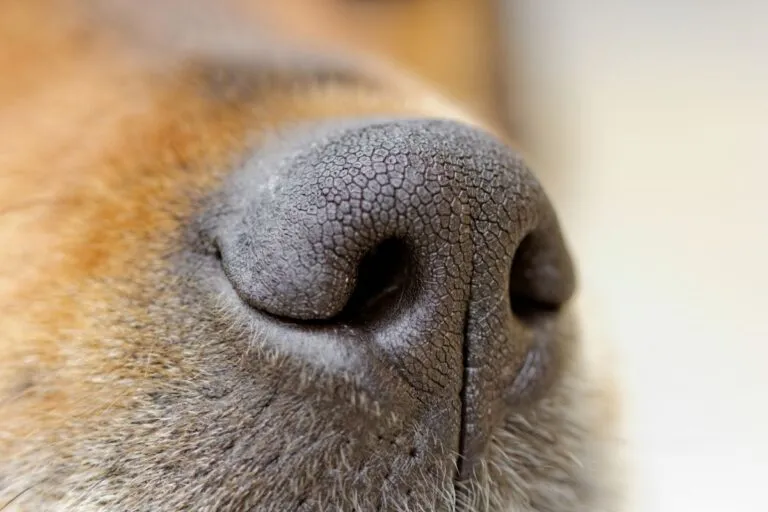
A dog’s nose performs a range of important functions. That’s why keeping your dog’s nose healthy really matters. But what if your dog’s nose is dry? And how can you prevent dryness in the first place? In this article, you’ll find everything you need to know – and what you can do about a dry nose in dogs.
The moisture level of a dog’s nose naturally fluctuates. Sometimes it’s damp, sometimes it’s dry. As long as this balances itself out and your dog appears healthy, there’s no cause for concern.
Is My Dog Ill if They Have a Dry Nose?
If your dog’s nose is dry over a prolonged period and the skin has already changed, you should take notice. If other symptoms appear as well, it’s high time to visit your vet.
What Does a Dry Nose in Dogs Indicate about Their Health?
If your dog’s nose is permanently dry, it could be a sign that your dog isn’t drinking enough. A dry nose leather can also be an indication of illness. That’s why, as a dog owner, it’s sensible to check your dog’s nose from time to time, alongside their coat and general condition.
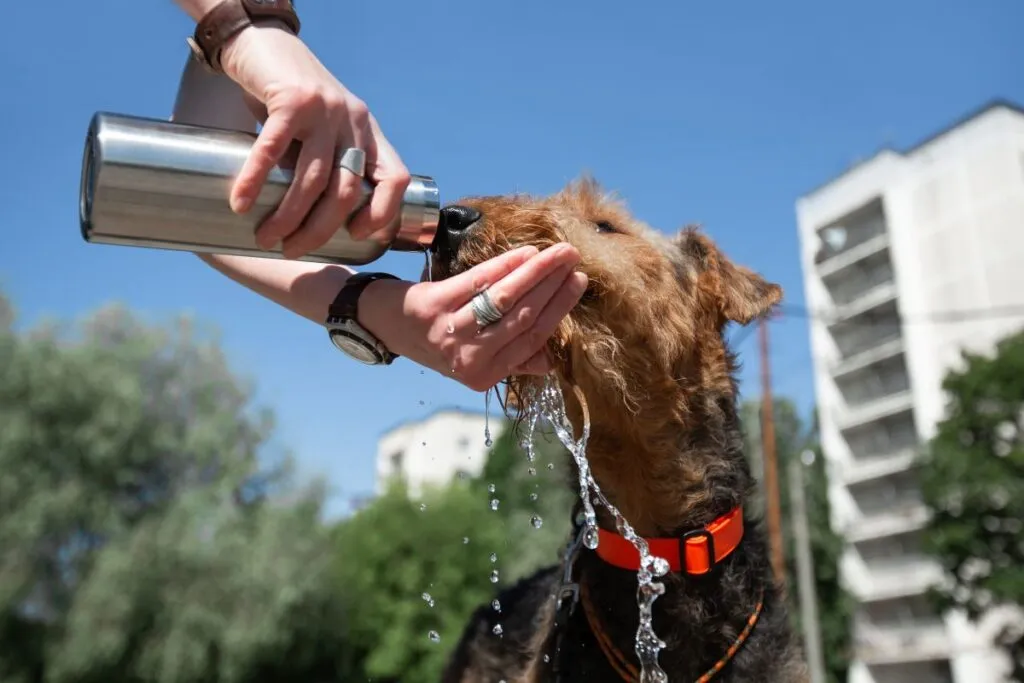
Especially on hot days, make sure your dog does not become dehydrated.
How Does a Dry Nose Develop in Dogs: Environmental Causes
There are many reasons why your dog might have a dry nose. The following examples show which external factors could be possible triggers.
Age-Related Causes
As your dog gets older, it’s perfectly normal for their nose to appear drier than it did in their younger years.
Climate-Related Causes
On hot days with low humidity, it can quickly happen that your dog doesn’t drink enough and consequently becomes dehydrated. It doesn’t take long for the moisture on the nose to evaporate and for it to dry out.
Note: However, it’s not only high temperatures that can lead to dehydration. Cold winter days can also affect fluid balance and result in dry noses.
Behaviour as a Cause
Some dogs are enthusiastic diggers and show no restraint. If your dog is frantically digging in the soil, this behaviour can lead to changes in the nose.
This can later cause a dry nose, especially at the beach, as sea salt dries out the skin. The same applies to snow near roads, where grit salt is often present.
Health-Related Causes of a Dry Nose in Dogs
Unfortunately, alongside natural causes, health problems can also lead to hyperkeratosis (excessive keratin build-up) and a dry nose leather in dogs. In many cases, affected dogs also show additional symptoms, such as tiredness or fever.
Brachycephalic breeds such as French Bulldogs or Pugs are generally prone to skin problems
in young Labrador Retrievers, congenital nasal hyperkeratosis is known to occur
Collies and Shetland Sheepdogs are prone to congenital dermatomyositis, which is associated with scaly skin lesions, hair loss and muscle problems
the Golden Retriever is predisposed to ichthyosis, a congenital keratinisation disorder
Allergies and Autoimmune Diseases
Allergies can affect your dog’s health in many ways, including their skin. The same applies to certain autoimmune diseases (e.g. pemphigus), which you should always have checked by your vet if you suspect them.
Infections
Whether bacteria, fungi or viruses – a wide range of infectious agents can cause dry noses in dogs. A well-known example is canine distemper, a contagious and dangerous viral disease in dogs.
Cancer
If your dog suffers from skin cancer, this can also lead to a dry, crusty nose. However, skin cancer in the nasal area is rare in dogs.
Nutrient Deficiency
To form new cells, the skin needs a regular supply of certain nutrients. If your dog generally consumes too little zinc in their diet or suffers from the rare zinc-responsive dermatosis, the nose leather and the area around the eyes can become crusty.
Side Effects of Medication
Certain medicines can have negative effects on the skin’s appearance. For this reason, ask your vet in advance about possible side effects of veterinary medicines.
Sunburn
Anyone who has ever had sunburn knows how much it can damage the skin. The same can happen to dogs, leading to dry skin around the nose.
On sunny days, always make sure your dog is not exposed to direct sunlight, or only for short periods. If this isn’t possible, find out more about sun protection for dogs.
What Should I Do if My Dog Has a Dry Nose?
If your dog’s nose is permanently dry, you should consult your vet. Together, you can identify the cause of the problem and, if possible, treat it specifically.
Your vet can also show you how to gently remove crusts from the nose. Certain ointments can then support wound healing or combat infectious agents.
Are There Home Remedies for a Dry, Cracked Nose in Dogs?
If your dog tends to have a dry nose, you can, in consultation with your vet, occasionally apply a little oil using simple home remedies.
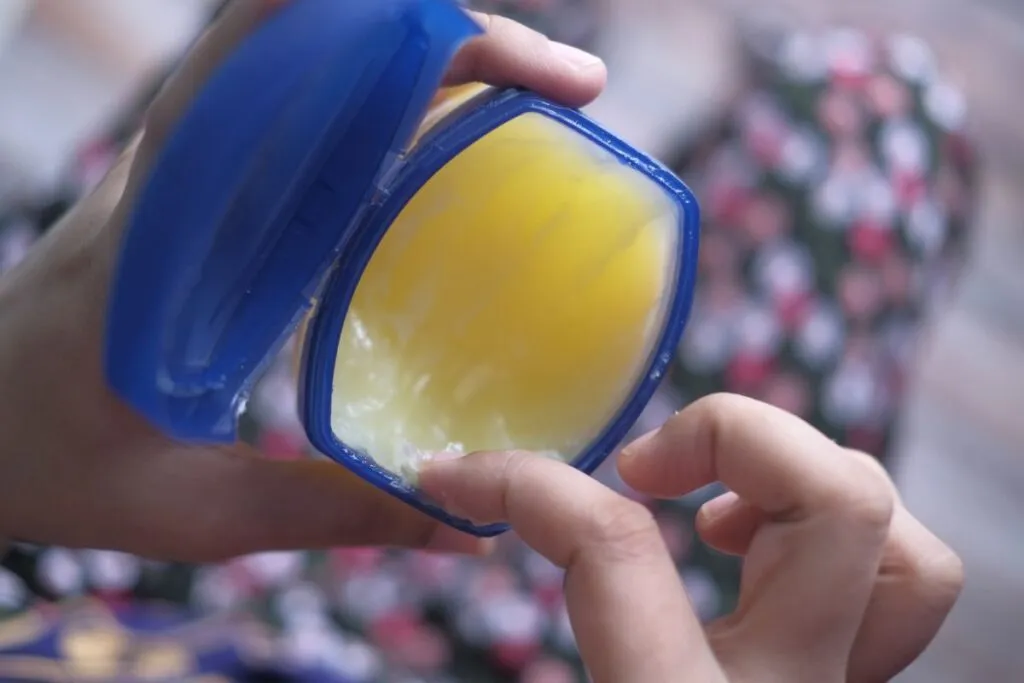
Important: Do not use standard creams for humans or lip balm to care for your dog’s dry nose! These often contain irritants such as alcohol, fragrances or high levels of preservatives. Instead, you can use petroleum jelly or high-quality oils such as coconut oil.
Vaseline without too many irritating additives is considered a helpful home remedy for dry noses in dogs.
Interesting Facts about a Dog’s Nose
Dogs are known worldwide for their excellent sense of smell. Even in TV programmes and Hollywood films, they repeatedly impress with their remarkable noses.
Smelling Like a World Champion
There’s a good reason dogs come out on top when it comes to scenting: a dog’s olfactory mucosa is not only larger than a human’s, it also contains significantly more scent receptors.
An impressive comparison shows that dogs have an average of 250 million scent receptors, while humans have just 25 million. In addition, the olfactory bulb in the brain, which processes and transmits detected smells, is also much larger.
Important Note: The content provided for informational purposes only and is not intended to replace professional veterinary advice, diagnosis or treatment. If you have any questions or concerns about your pet's health, please always consult a licensed veterinarian.
This article was translated using Artificial Intelligence from the original German zooplus Magazine. While the original content was authored by industry experts and reviewed by our editorial team, this automated translation has not been human-edited and is provided for informational purposes.
At the Justus-Liebig-University of Giessen I was extensively trained as a veterinarian and was able to gain experience in various fields such as small animal, large animal and exotic animal medicine as well as pharmacology, pathology and food hygiene.
Since then, I have been working not only as a veterinary author, but also on my scientifically driven dissertation. My goal is to better protect animals from pathogenic bacterial organisms in the future.
Besides my veterinary knowledge, I also share my own experiences as a happy dog owner and can thus understand and enlighten fears and problems as well as other important questions about animal health.
When does a female dog’s first season begin? How often and for how long is a female dog in season? And what symptoms does a female dog in season show? Find out everything you need to know about these “hot days” and how you and your dog can get through the season calmly and stress-free in the following article.
16 February 2024 |Leishmaniasis is an infectious disease transmitted by sandflies and can often prove fatal for dogs. Find out how you can protect your dog and how to recognise and treat the disease should it emerge.
Neutering has traditionally been a standard veterinary practice, but is it universally recommended? What distinguishes neutering from sterilisation and what expenses should a dog owner anticipate? Here, you can discover all the essential information concerning the advantages and disadvantages of neutering your dog.