

Hypoallergenic Dog Food


 £59.37











Veterinarian Conny Kolo on Hypoallergenic Dog Food:

"In my practice, I often see dogs with food intolerances or allergies. There are various symptoms, from softer stool to self-injury of the skin due to severe itching.
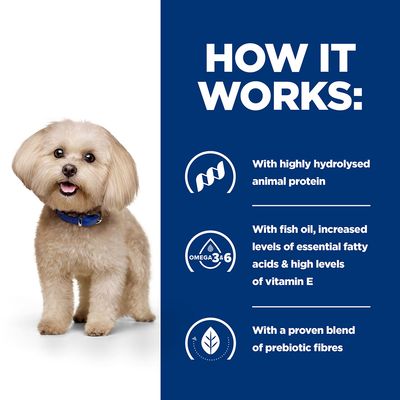
Hypoallergenic dog food is an important way for me to diagnose and treat food intolerances. When choosing a hypoallergenic food for my patients, I make sure that it contains only one (hydrolysed) protein source, in order to prevent the immune system from reacting to the proteins.
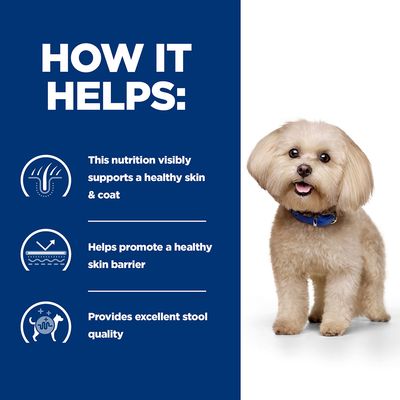
It is also important to me that the products contain additional nutrients to support skin and gastrointestinal health and help your dog regenerate.
A switch to a hypoallergenic diet is only made after other possible causes for the symptoms have been ruled out. This strict diet must be maintained for at least 10 to 12 weeks to be able to draw any conclusions about its success. “
This content is a translation of the original text published on zooplus.de, created by Veterinarian Conny Kolo, in collaboration with our editorial team. The information provided is for general guidance only and is not a substitute for professional veterinary advice, diagnosis or treatment. Always consult your vet if you have any concerns about your pet’s health or wellbeing.
Veterinarian Conny Kolo on Hypoallergenic Dog Food:
"In my practice, I often see dogs with food intolerances or allergies. There are various symptoms, from softer stool to self-injury of the skin due to severe itching.
Hypoallergenic dog food is an important way for me to diagnose and treat food intolerances. When choosing a hypoallergenic food for my patients, I make sure that it contains only one (hydrolysed) protein source, in order to prevent the immune system from reacting to the proteins.
It is also important to me that the products contain additional nutrients to support skin and gastrointestinal health and help your dog regenerate.
A switch to a hypoallergenic diet is only made after other possible causes for the symptoms have been ruled out. This strict diet must be maintained for at least 10 to 12 weeks to be able to draw any conclusions about its success. “
This content is a translation of the original text published on zooplus.de, created by Veterinarian Conny Kolo, in collaboration with our editorial team. The information provided is for general guidance only and is not a substitute for professional veterinary advice, diagnosis or treatment. Always consult your vet if you have any concerns about your pet’s health or wellbeing.
How can I tell if my dog has a food allergy?
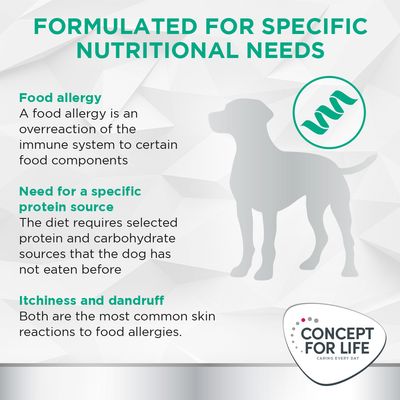
Only a vet’s diagnosis will confirm that your dog has a food allergy. If your dog is showing typical symptoms of an allergic reaction, e.g. diarrhoea, vomiting, itchy ears or skin problems, consult your vet and have your dog checked for allergies.
You can find further information on allergies and the diagnosis process in our magazine article on food allergies in dogs.
How can I tell if my dog has a food allergy?
Only a vet’s diagnosis will confirm that your dog has a food allergy. If your dog is showing typical symptoms of an allergic reaction, e.g. diarrhoea, vomiting, itchy ears or skin problems, consult your vet and have your dog checked for allergies.
You can find further information on allergies and the diagnosis process in our magazine article on food allergies in dogs.
How can I tell if my dog has a food allergy?
Only a vet’s diagnosis will confirm that your dog has a food allergy. If your dog is showing typical symptoms of an allergic reaction, e.g. diarrhoea, vomiting, itchy ears or skin problems, consult your vet and have your dog checked for allergies.
You can find further information on allergies and the diagnosis process in our magazine article on food allergies in dogs.
How can I tell if my dog has a food allergy?
Only a vet’s diagnosis will confirm that your dog has a food allergy. If your dog is showing typical symptoms of an allergic reaction, e.g. diarrhoea, vomiting, itchy ears or skin problems, consult your vet and have your dog checked for allergies.
You can find further information on allergies and the diagnosis process in our magazine article on food allergies in dogs.
What do I have to be aware of when feeding my pet hypoallergenic dog food?
Above all, you must ensure that you provide food consisting of ingredients that your dog tolerates. Refer to the diagnosis of your veterinarian in this regard. It often helps to choose a single, previously not fed protein source and either no carbohydrates or a different carbohydrate source.
Gradually introduce your dog to the new food. While doing so, check that your dog tolerates the food better or if allergic reactions persist. The allergy food also has to taste good so that your dog doesn’t refuse to eat it.
What do I have to be aware of when feeding my pet hypoallergenic dog food?
Above all, you must ensure that you provide food consisting of ingredients that your dog tolerates. Refer to the diagnosis of your veterinarian in this regard. It often helps to choose a single, previously not fed protein source and either no carbohydrates or a different carbohydrate source.
Gradually introduce your dog to the new food. While doing so, check that your dog tolerates the food better or if allergic reactions persist. The allergy food also has to taste good so that your dog doesn’t refuse to eat it.
What ingredients are good for dogs with allergies?
Allergens vary from one dog to the next. It’s best to consult your vet to pinpoint what your dog is allergic to. However, there are ingredients that frequently cause allergies in dogs. Examples include beef and poultry.
Most dog owners then switch to a sole source of protein. So-called single protein foods make it easier to restrict other allergens. Grain-free dog food is a popular choice for allergy sufferers. Carbohydrates are added from a range of vegetables.
Below is a list of ingredients that are well-tolerated by many allergic dogs and used as substitute ingredients:
- Lamb
- Ostrich
- Horse
- Kangaroo
- Insects
- Potato
- Pea
What ingredients are good for dogs with allergies?
Allergens vary from one dog to the next. It’s best to consult your vet to pinpoint what your dog is allergic to. However, there are ingredients that frequently cause allergies in dogs. Examples include beef and poultry.
Most dog owners then switch to a sole source of protein. So-called single protein foods make it easier to restrict other allergens. Grain-free dog food is a popular choice for allergy sufferers. Carbohydrates are added from a range of vegetables.
Below is a list of ingredients that are well-tolerated by many allergic dogs and used as substitute ingredients:
- Lamb
- Ostrich
- Horse
- Kangaroo
- Insects
- Potato
- Pea
What food is good for dogs with food allergies?
It is not uncommon for dogs to have food allergies. Hence, there are numerous well-known brands that produce special dog food for allergic dogs. These are well-tolerated and can boost your dog’s well-being. Brands offering hypoallergenic dog food include:
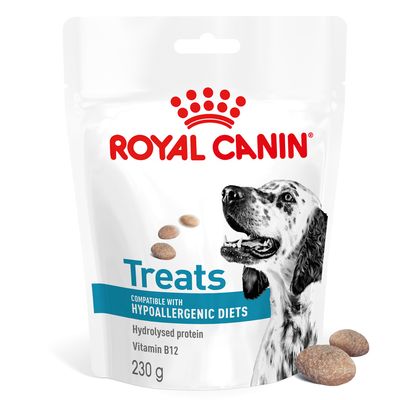
- Royal Canin Veterinary
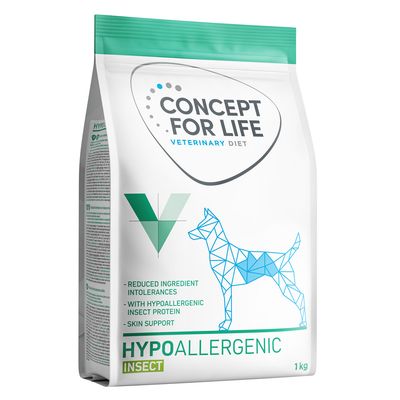
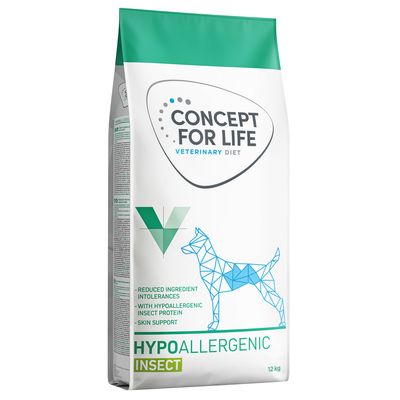
- Concept for Life Veterinary Diet
- Greenwoods
- Lukullus
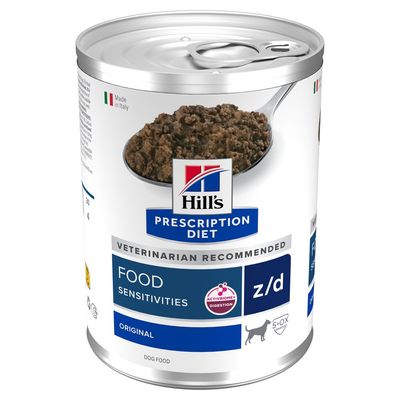
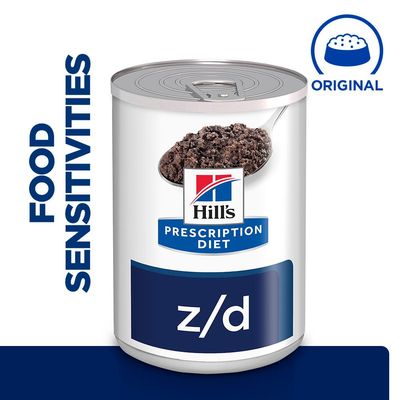
- Hill’s Prescription Diet
- Rocco Diet Care
- Happy Dog
- Josera
- Bosch
What food is good for dogs with food allergies?
It is not uncommon for dogs to have food allergies. Hence, there are numerous well-known brands that produce special dog food for allergic dogs. These are well-tolerated and can boost your dog’s well-being. Brands offering hypoallergenic dog food include:
- Royal Canin Veterinary
- Concept for Life Veterinary Diet
- Greenwoods
- Lukullus
- Hill’s Prescription Diet
- Rocco Diet Care
- Happy Dog
- Josera
- Bosch
How long does it take for hypoallergenic dog food to take effect?
The effectiveness varies depending on the symptoms. While stomach issues often improve within 2-3 weeks or even faster, it may take 4-6 weeks for skin problems to show improvement.
How long does it take for hypoallergenic dog food to take effect?
The effectiveness varies depending on the symptoms. While stomach issues often improve within 2-3 weeks or even faster, it may take 4-6 weeks for skin problems to show improvement.
Can all dogs eat hypoallergenic food?
Theoretically, all dogs, even those with no allergies, can eat hypoallergenic food. It is usually highly digestible food, which generally poses no disadvantage and can be suitable for dogs without allergies. However, to ensure that your dog gets all the essential nutrients, make sure that it is a complete food.
Can all dogs eat hypoallergenic food?
Theoretically, all dogs, even those with no allergies, can eat hypoallergenic food. It is usually highly digestible food, which generally poses no disadvantage and can be suitable for dogs without allergies. However, to ensure that your dog gets all the essential nutrients, make sure that it is a complete food.
Can all dogs develop allergies?
Yes. In principle, any dog can suffer from a food allergy. According to studies, German Shepherds, Golden Retrievers, Labradors, Dachshunds, Dalmatians and Boxers are the most susceptible.
Can all dogs develop allergies?
Yes. In principle, any dog can suffer from a food allergy. According to studies, German Shepherds, Golden Retrievers, Labradors, Dachshunds, Dalmatians and Boxers are the most susceptible.
Can you feed your pet hypoallergenic foods permanently?
Yes, you can feed your pet hypoallergenic foods on a permanent basis. As long as the food is a complete food and your dog tolerates it well. Depending on weight, age, and activity level, the hypoallergenic food may need to be adjusted in the future.
Can you feed your pet hypoallergenic foods permanently?
Yes, you can feed your pet hypoallergenic foods on a permanent basis. As long as the food is a complete food and your dog tolerates it well. Depending on weight, age, and activity level, the hypoallergenic food may need to be adjusted in the future.