{"url":"https://www.zooplus.co.uk/magazine/dog/dog-health-and-care/roundworms-in-dogs-everything-you-need-to-know-about-symptoms-and-treatment","title":"Roundworms in Dogs: Everything You Need to Know About Symptoms and Treatment","mag_id":417690,"is_single":true,"cat_name":"Dog","sub_cat_id":143,"sub_cat_name":"Dog Health and Care","cat_id":3410}
The most common worm parasite found in dogs is the roundworm. Find out everything you need to know about transmission, symptoms and how roundworms in dogs are treated, so you can help your dog if the worst happens.
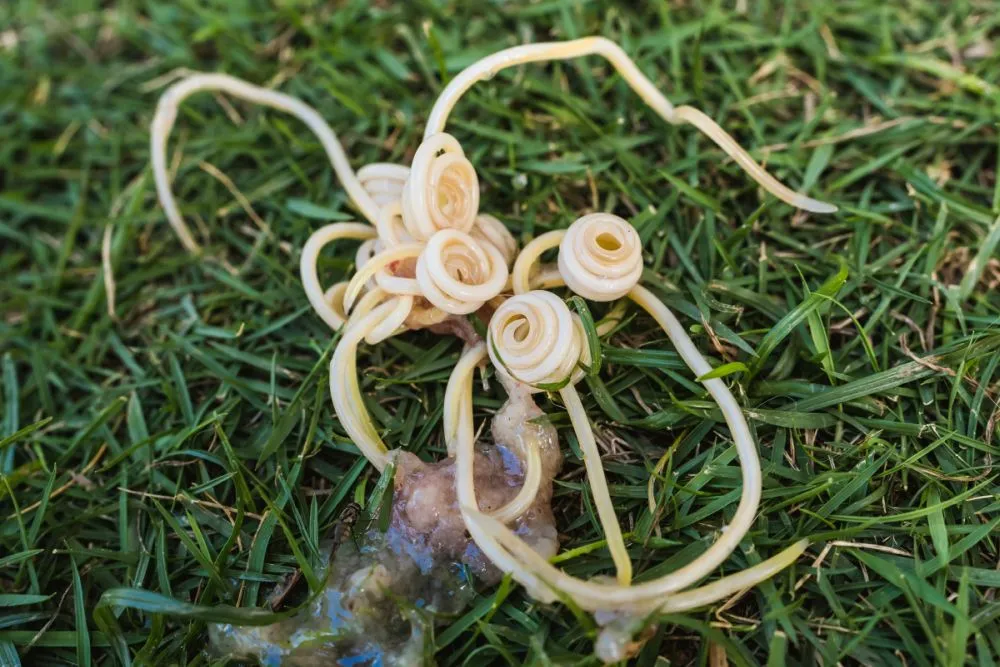
Roundworms (Ascaridoidea , also known as ascarids) are white, spindle-shaped worms that mainly infest the intestinal tract of pets such as dogs.
Although many dogs are affected by roundworms and they do not always cause health problems, an infestation with these worms should be taken seriously and treated.
What Types of Roundworms Affect Dogs?
There are different types of roundworms that can affect dogs. The most common species is Toxocara canis, the canine roundworm. In its adult stage, this roundworm can grow up to 20 centimetres long.
Toxocara canis is the most common roundworm found in dogs.
Symptoms: What Are the Signs of Roundworms in Dogs?
The symptoms of a roundworm infestation in dogs depend on the type of worm, the severity of the infestation and your dog’s overall health. Dogs with generally weaker immune systems, such as puppies or ill dogs, usually experience more severe symptoms.
Particularly Common are gastrointestinal problems such as
In addition, affected dogs may also cough more frequently or develop anaemia.
Puppies Are Particularly at Risk
Since puppies do not yet have the same reserves as adult dogs, roundworms can cause them particularly serious harm. Young dogs are especially prone to growth disorders or a dull coat, for example. Vets also observe what is known as a pot belly, which can be painful for the affected animal.
When Should I Take My Dog to the Vet?
Parasites are common in dogs and should always be diagnosed and treated by a vet. The sooner this happens, the better you can protect your dog from health problems.
Diagnosis: How Are Roundworms Detected in Dogs?
To rule out a roundworm infestation in your dog, a faecal sample examination is particularly helpful. Your vet will examine a pooled stool sample from your dog, collected over three consecutive days, for eggs or larvae.
In addition to a stool examination, other tests can also help detect roundworms in your dog. For example, an increase in eosinophilic granulocytes in your dog’s blood test can indicate a parasite infestation. Your vet can also assess your dog’s internal organs externally using imaging techniques such as X-ray or ultrasound examinations.
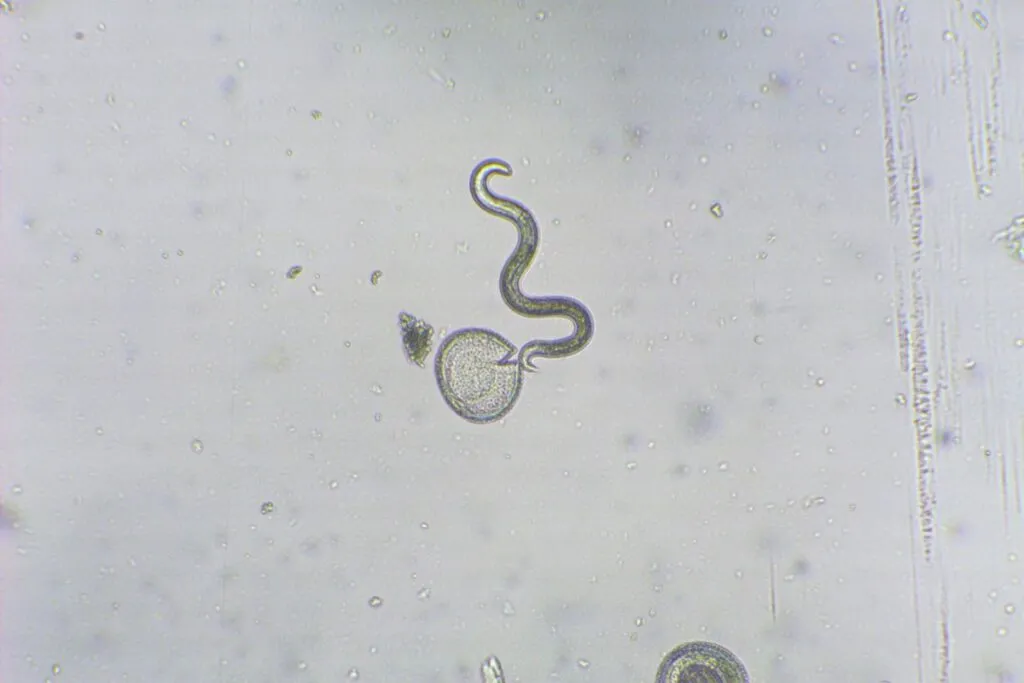
Under the microscope, various stages such as eggs and larvae of roundworms can be detected.
Treatment: How Are Roundworms Treated in Dogs?
As with other worms, the vet can treat your dog’s roundworms directly and relieve the symptoms with supportive measures .
Direct Treatment of the Worms with Worming Treatments
Various medications that kill roundworms are available on the market. Whether in the form of a tablet, spot-on treatment or paste, ask your vet which medication is best suited to your dog.
Note: A few weeks after treatment with antiparasitic medication, you should have your dog checked again for worms to see whether the medication has had a lasting effect.
Supportive Treatment
Depending on the severity of the symptoms, your vet may administer various medications to your dog. These include, for example, anti-inflammatory medication or medicines that help against nausea (antiemetics).
Transmission: How Do Dogs Become Infected with Roundworms?
How your dog can become infected with roundworms depends on the type of worm. In general, there are four ways in which infectious roundworm eggs can enter your dog:
via the placenta in the womb
via the mother’s milk (colostrum)
by swallowing infected rodents
through direct contact with contaminated material such as sand or faeces
From the Mouth to the Organs and Into the Faeces
Once in the intestine, the roundworm larvae hatch from the eggs. The tiny larvae then travel via the blood vessels to various organs, such as the liver, lungs or muscles, where the adult worms develop. These then lay eggs again, which your dog excretes in its faeces – and the cycle starts all over again.
Can Roundworms Be Transmitted from Dogs to Humans?
Humans can also become infected with roundworms from dogs. This usually happens through direct contact with contaminated dog faeces. This can happen, for example, to children playing in a sandpit. In humans, roundworms generally cause similar symptoms to those seen in dogs.
Prognosis: What Are the Chances of Recovery?
Roundworms in adult dogs can generally be treated easily with medication. In puppies or weakened dogs, a roundworm infestation can cause more serious problems. However, these can usually also be treated successfully.
Important: To ensure your dog remains worm-free in the long term, you should pay particular attention to maintaining good hygiene around your dog.
Prevention: How Can I Protect My Dog from Roundworms?
To protect your dog from a roundworm infestation, you should take various hygiene measures:
Clean your dog’s food bowls regularly.
Store food bags in a way that prevents rodents from getting into them.
Always remove your dog’s faeces to keep the risk of infection as low as possible.
In addition to hygiene measures, you should also have your dog’s stool regularly tested for parasites by your vet.
Important Note: The content provided for informational purposes only and is not intended to replace professional veterinary advice, diagnosis or treatment. If you have any questions or concerns about your pet's health, please always consult a licensed veterinarian.
This article was translated using Artificial Intelligence from the original German zooplus Magazine. While the original content was authored by industry experts and reviewed by our editorial team, this automated translation has not been human-edited and is provided for informational purposes.
At the Justus-Liebig-University of Giessen I was extensively trained as a veterinarian and was able to gain experience in various fields such as small animal, large animal and exotic animal medicine as well as pharmacology, pathology and food hygiene.
Since then, I have been working not only as a veterinary author, but also on my scientifically driven dissertation. My goal is to better protect animals from pathogenic bacterial organisms in the future.
Besides my veterinary knowledge, I also share my own experiences as a happy dog owner and can thus understand and enlighten fears and problems as well as other important questions about animal health.
When does a female dog’s first season begin? How often and for how long is a female dog in season? And what symptoms does a female dog in season show? Find out everything you need to know about these “hot days” and how you and your dog can get through the season calmly and stress-free in the following article.
16 February 2024 |Leishmaniasis is an infectious disease transmitted by sandflies and can often prove fatal for dogs. Find out how you can protect your dog and how to recognise and treat the disease should it emerge.
Neutering has traditionally been a standard veterinary practice, but is it universally recommended? What distinguishes neutering from sterilisation and what expenses should a dog owner anticipate? Here, you can discover all the essential information concerning the advantages and disadvantages of neutering your dog.