{"url":"https://www.zooplus.co.uk/magazine/cat/cat-adoption/which-smells-do-cats-dislike","title":"Which Smells Do Cats Dislike?","mag_id":417438,"is_single":true,"cat_name":"Cat","sub_cat_id":149,"sub_cat_name":"Cat Adoption and Ownership","cat_id":138}
Compared to humans, cats have truly super-sensitive noses. They have more than twice as large and ten times as many olfactory cells as we do. It’s no wonder that our feline friends perceive scents much more intensely. So, which smells do cats really dislike?
Certain plants such as valerian and catnip can send cats into a kind of excited or intoxicated state. They enthusiastically nibble on the green leaves or even roll around in them. Other plants, on the other hand, seem to actively repel our four-legged companions.
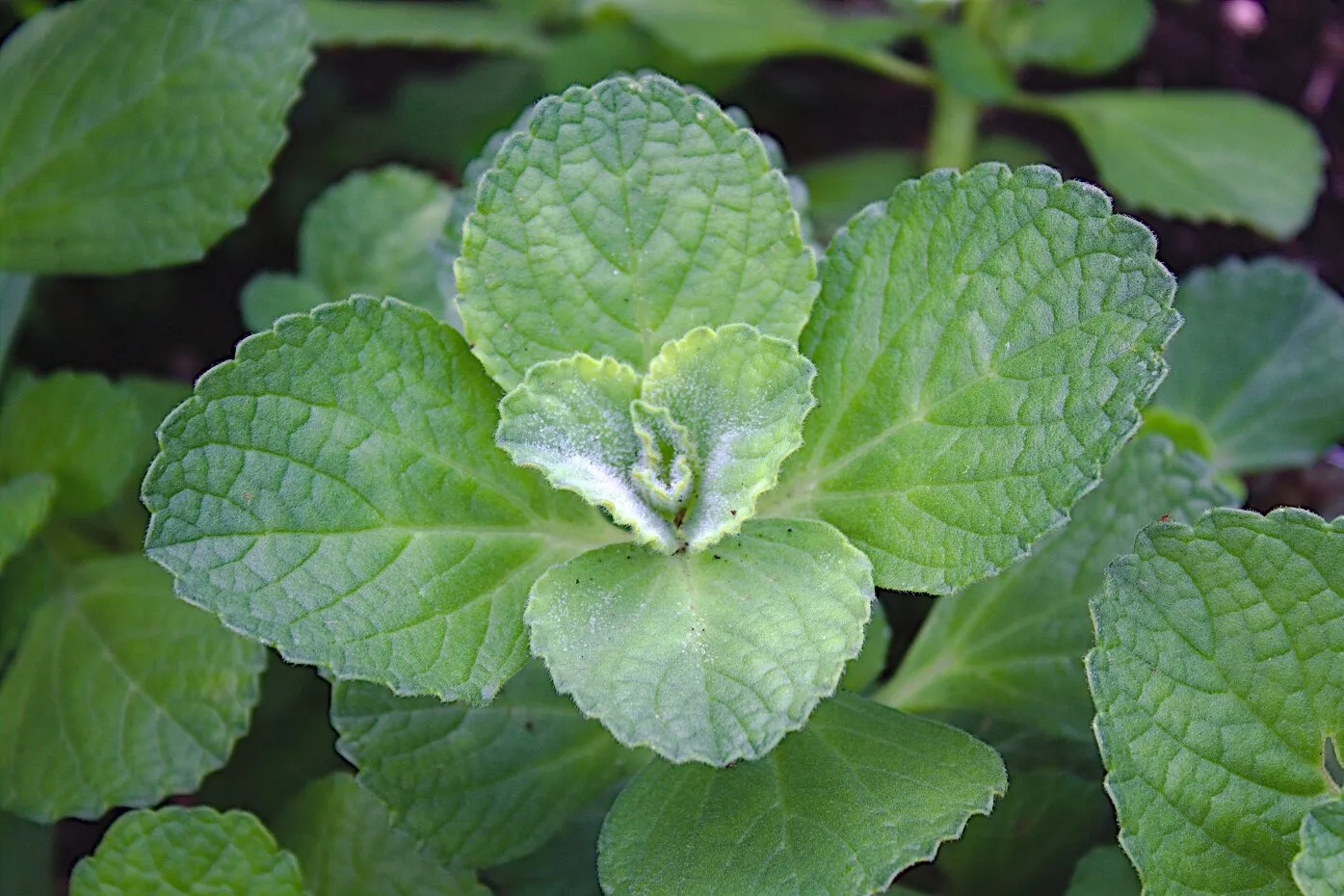
One example is a particular variety of coleus plant that is actually called the “Scaredy Cat Plant”. And for good reason: this plant gives off such an intense scent for sensitive feline noses that cats will often keep well away from it. The culprit is the essential oils, which release an unpleasant smell for feline garden visitors, especially in sunny weather. Most cats really can’t stand this scent. Of course, there are still the occasional cats that remain completely unfazed by the green leaves.
By the way, many dogs and rabbits also dislike the pungent smell of the “Scaredy Cat Plant”. However, while cats and other pets avoid this plant completely, we humans barely notice the scent at all. Only if you stand very close to the leaves can you sometimes detect a slight menthol aroma.
What Helps to Keep Cats Away?
Do you regularly find cat mess in your flower or vegetable beds? Then you should consider planting the coleus plant with the Latin name Plectranthus ornatus. Thanks to its strong scent, which many cats dislike, feline visitors generally stay away. However, the plant is completely harmless to both humans and animals. Only allergy sufferers should take a little extra care.
The “Get Lost” plant can help keep cats out of the garden.
What Effect Does Lavender Have on Cats?
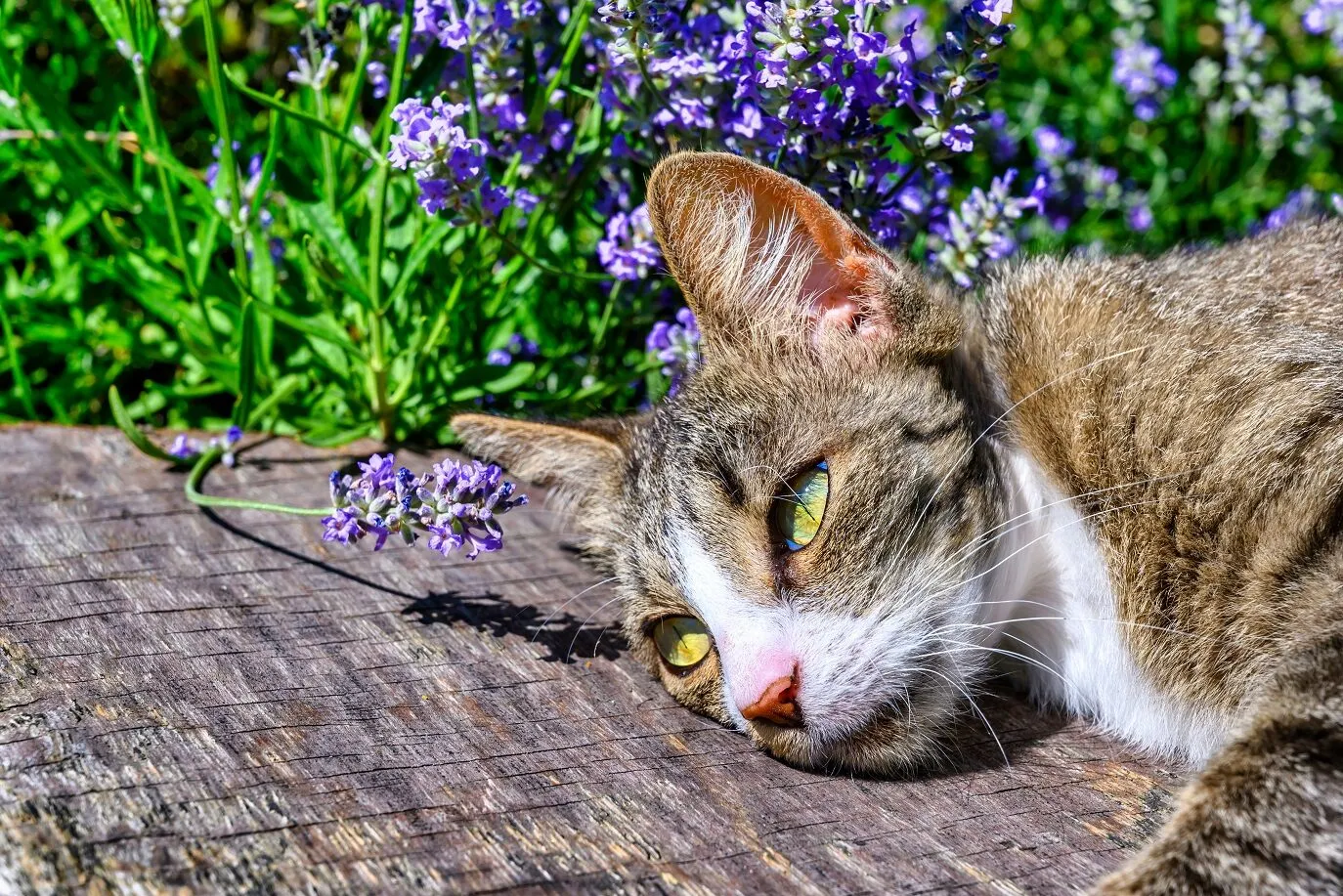
Another plant that many feline friends are not particularly keen on is lavender. Its purple flowers give off an aromatic scent that is said to have a calming and sometimes even sleep-inducing effect on humans. Cats, however, usually do not like the smell very much.
Caution: Toxic!
As with the coleus plant, it is the essential oils in lavender that many cats find unpleasant. However, there are individual differences here too. While one cat may bolt at the smell of lavender, others seem fairly unbothered by the sweet, hay-like scent.
Good to know: Some lavender varieties, such as spike lavender or French lavender, contain substances called monoterpene ketones in higher concentrations. These are toxic to cats and can cause seizures if the animals nibble on the lavender. Fortunately, this kind of poisoning is rather rare, as cats often dislike the smell of the plant anyway.
Many cats dislike the scent of lavender. Others are not bothered by it at all.
Overview: Which Smells Do Cats Dislike?
There are many other smells around the home and garden that cats dislike. Some of these unpleasant substances are highly toxic to cats. Others can safely be used as deterrents.
Allium Plants
In the kitchen, garlic, onions, leeks, wild garlic and chives create a strong aroma. Cats, however, are often put off by their intense smell. And that is a good thing, because allium plants are toxic to cats.
Whether raw, cooked or dried, the sulphur compounds in these plants can cause dangerous symptoms of poisoning. If a cat nibbles on chives, for example, it may lead to diarrhoea, an increased heart rate and anaemia.
Perfume
Strong smells from perfumes, aroma oils and scented candles, for example, are not popular with many cats. They also dislike harsh household cleaners. Cat owners should bear this in mind when cleaning the litter tray. Mild, fragrance-free cleaning products are a much better choice.
Speaking of litter trays: scented cat litter may smell pleasant to us humans, but cats often dislike the artificial fragrance so much that they avoid their toilet altogether and instead may urinate on the carpet.
Apple Cider Vinegar
It is considered healthy and is also used in veterinary medicine – for example as a natural remedy against fleas. However, many cats dislike the smell of apple cider vinegar. So before spraying your cat with a mixture of apple cider vinegar and water to get rid of annoying parasites, you should always consult your vet.
Eucalyptus
When they have a cold, many people turn to herbal remedies such as tea tree, peppermint or eucalyptus oil. These essential oils are found in ointments, bath additives, teas and cough syrups, among other things. They are intended to clear the nose and relieve inflammation. If a cat notices these scents on its owner, it may run away in an instant.
The ingredients in these cold remedies not only smell unpleasant to cats – they are also toxic. If a cat still eats eucalyptus leaves, for example, it may suffer from diarrhoea, vomiting and foaming at the mouth. Medicines should therefore always be stored safely out of reach of cats and ideally locked away.
Citrus Fruits
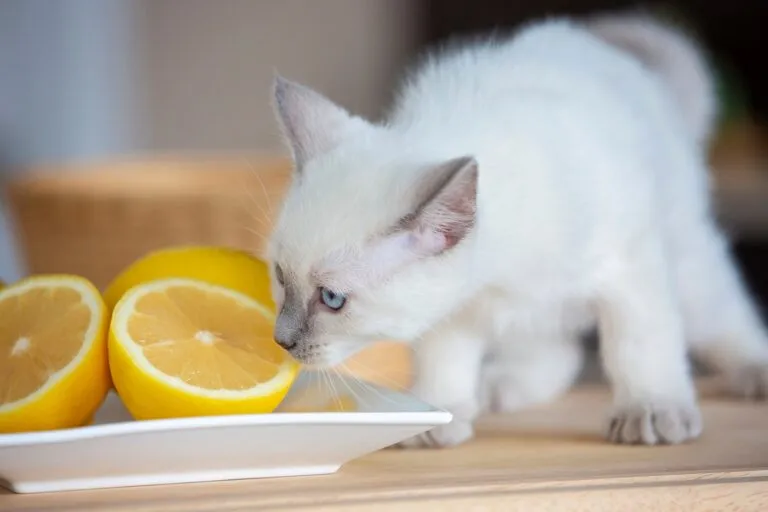
Many cats dislike the smell of citrus fruits such as oranges, lemons and limes, as well as lemongrass. People can use this to their advantage to keep cats away from places such as the sofa. Simply spray the furniture with a little citrus scent and the cats will usually steer clear of it.
However, cleaning products with a fresh lemon or orange scent are not recommended for cleaning the litter tray.
Cigarettes
Smoking is harmful to health – including your cat’s. The acrid cigarette smoke irritates a cat’s sensitive nose. In the worst-case scenario, passive smoking can even lead to cancers such as lung tumours. Cat owners should therefore always smoke outside and keep the windows and doors of the home closed while doing so.
This article was translated using Artificial Intelligence from the original German zooplus Magazine. While the original content was authored by industry experts and reviewed by our editorial team, this automated translation has not been human-edited and is provided for informational purposes.
"A life without a pug is possible, but pointless," Loriot once said. I would unreservedly agree and add: "A life without horse, cat and rabbit as well!" My heart beats for all animals big and small and I have the great fortune to be able to write about my passion as a freelance author. With my articles I would like to raise awareness for animal welfare and give useful tips to animal lovers.
The origins of indoor cats are as mysterious and fascinating as their characters. Are cats really desert animals – and what would that mean for their behaviour? In fact, it was unclear for a long time where the ancestors of our feline friends originated. That was until a genetic analysis shed some light on the enigma of cat evolution.
It’s not just the right type of litter tray that will make your cat happy, but also the right type of cat litter. The best litters are ones that are very absorbent and ideally neutralise odours too, but finding the perfect cat litter can be no easy task with so many varieties on offer from natural clumping litter made of clay, non-clumping litter, litter made of wood or silica.
There comes a time when every kitten becomes an adult and tests boundaries. The following article explains when puberty begins with cats and what this defiant phase means for you as a cat owner.