{"url":"https://www.zooplus.co.uk/magazine/cat/cat-health-and-care/does-a-dry-nose-mean-your-cat-is-ill","title":"Does a Dry Nose Mean Your Cat is Ill? ","mag_id":399224,"is_single":true,"cat_name":"Cat","sub_cat_id":152,"sub_cat_name":"Cat Health and Care","cat_id":138}
Is your cat's nose a bit on the dry side? While there can be plenty of harmless reasons for this, serious illnesses can also cause a cat's nose to become dry. The better informed you are about this topic and the potential causes, the more quickly you'll be able to lend a helping paw to your feline friend.
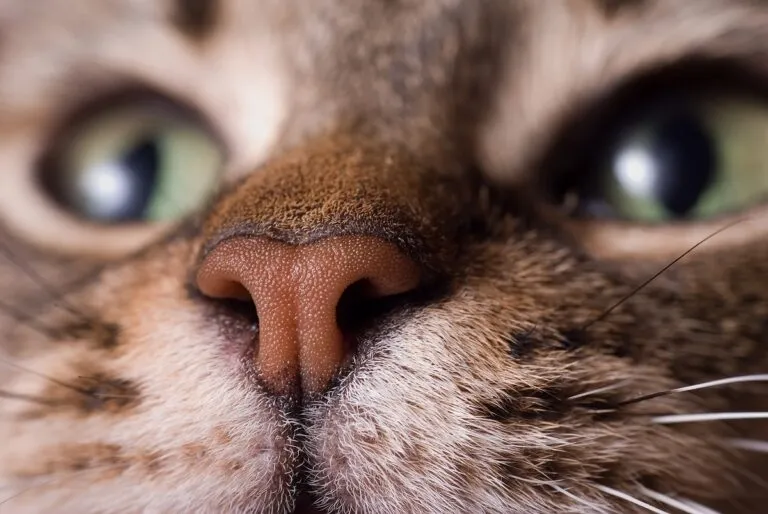
Many cats naturally have a slightly moist nose because they tend to lick their noses occasionally, and they secrete fluids through the skin of the nose. This mainly helps to enhance their sense of smell.
However, there are also healthy cats whose noses are dry most of the time. Contrary to the popular belief that “healthy cats have moist noses”, dry noses in cats can indeed be perfectly normal.
Is a Cat Sick if It Has a Dry Nose?
If you notice a sudden significant change in your cat’s nose moisture, or if it displays other signs of sickness (such as loss of appetite, fever, lethargy), then your cat may be unwell.
If your cat’s nose skin shows changes (such as cracks or scales), it’s wise to consult your vet. They can carefully examine your cat and, if possible, intervene early.
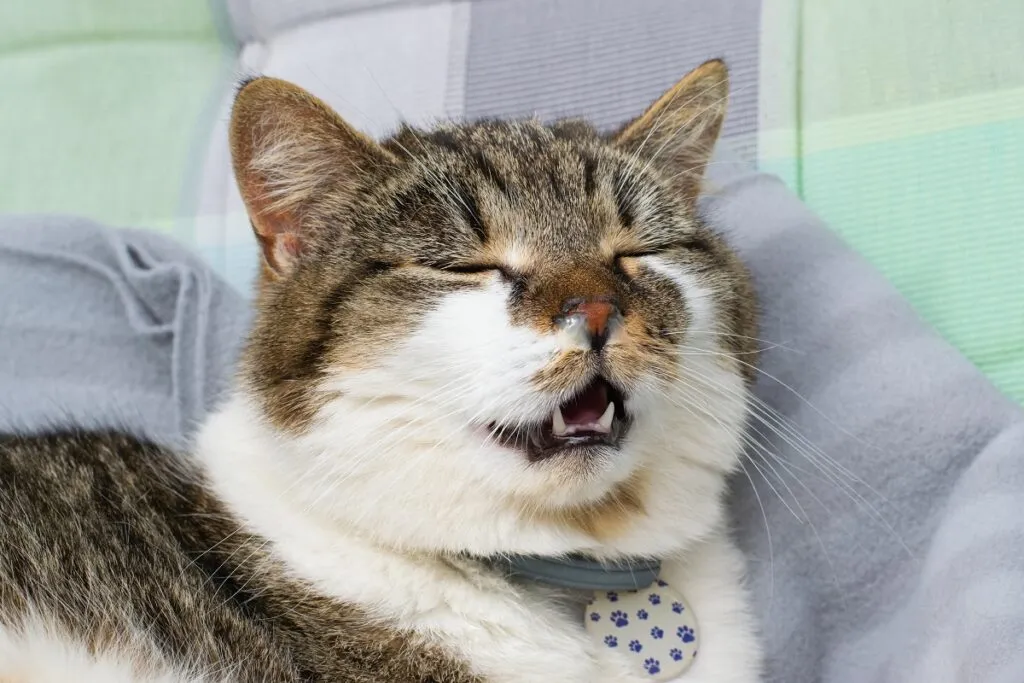
If your cat has a dry nose along with other symptoms such as a nasal discharge, they could be seriously ill.
Causes: Why Does My Cat Have a Dry Nose?
Your cat’s nose can become dry for countless reasons. Often, these triggers are harmless, though occasionally they can be indicators of more serious conditions. Natural Circumstances The skin of a cat is subject to many external and internal factors, so there are numerous harmless explanations for a dry cat nose:
Hot Summer Days
Whether basking on a car roof or on the patio, cats adore lounging in the blazing sun during summer. It’s no surprise, then, that your cat’s nose might gradually dry out. There’s no need for concern as long as your cat has plenty of opportunities to drink water.
Your Cat Isn’t Drinking Enough
If your cat generally drinks too little, this can gradually lead to the skin, including the nose, drying out.
Dry Noses in Older Age
In their senior years, many aspects of cats can change – including the moisture level of their noses, hence why older cats often have drier and more cracked noses than their younger counterparts.
Central Heating in Winter
Not just direct sunlight can dry out cat noses; the dry air from central heating in winter can also affect their moisture balance.
Respiratory Infections
Upper respiratory issues are quite common in cats and can affect the moisture content of their noses. Other symptoms like crust formation, nasal discharge or sneezing are also common signs.
Learn more in our article: Respiratory Infections
Poor or Inadequate Nutrition
Cat food contains many nutrients your cat’s body needs. Among them is zinc, which is essential for skin regeneration.
If your cat eats too little or the food lacks nutrients, poor nutrition can lead to skin disorders.
Skin Diseases
Skin conditions can also alter the appearance of a cat’s nose. This can be due to allergies (such as Atopic Dermatitis), or autoimmune diseases (such as Pemphigus Foliaceus).
If your cat is on medication or has accidentally ingested toxins, these substances can affect the appearance of the skin – including the nose.
Sunburn
Just like humans and dogs, cats can get sunburned if exposed to too much UV light. Too much sunlight can not only cause significant inflammation and skin irritation but can also lead to skin cancer, which may alter the surface of your cat’s nose.
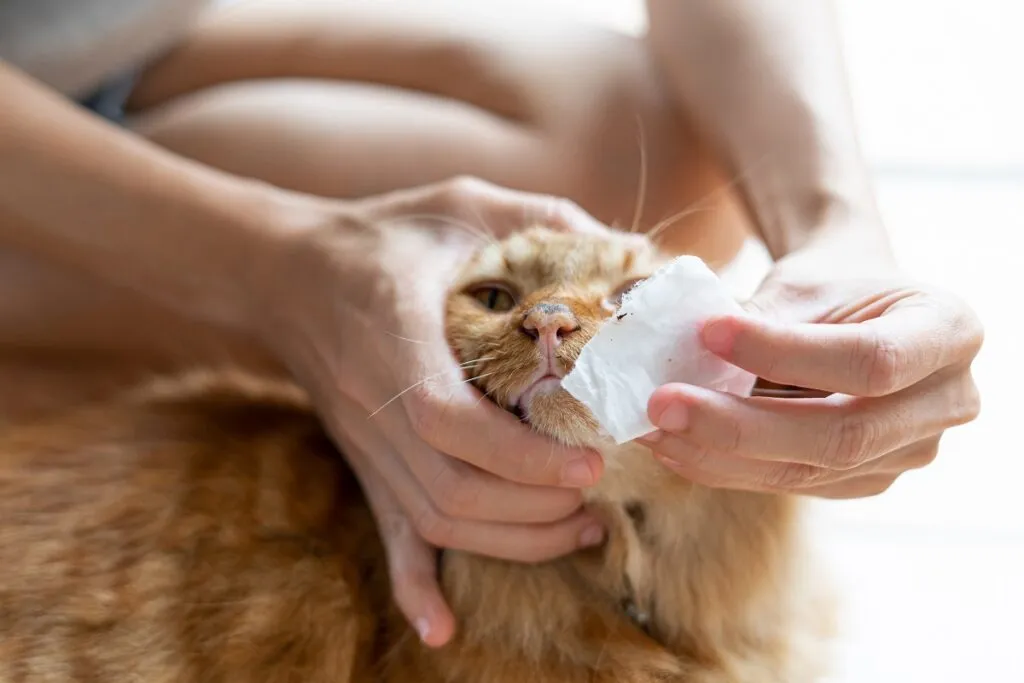
If your cat’s nose is dirty or dry, you should always clean it and, after consulting with your vet, take appropriate care of it.
Treatment and Care: What To Do If My Cat Has a Dry Nose?
If you notice changes in your cat’s nose, and perhaps other symptoms, you should consult a vet. In general, the sooner you seek veterinary advice, the earlier you can detect and treat an illness.
Wound Treatment
Once you’ve seen a vet, they will examine your cat’s nose and treat any wounds. They may also show you how to care for your cat’s nose in the future, such as with nurturing balms for sensitive skin.
Treating the Cause
If the vet has identified an illness as the cause of your cat’s dry nose, then treating that specific condition is important. For a bacterial infection, antibiotics might be required, while antihistamines might be necessary for allergies.
Home Remedies for Dry Cat Noses
If your cat’s nose is so dry it’s cracking, the best course of action, after consulting with your vet, might be to apply a bit of Vaseline or lip balm from the chemist.
Note: Ensure that the care products are free of skin-irritating substances (such as preservatives, perfume, or alcohol).
If these products aren’t readily available, you can occasionally turn to natural oils like coconut oil or olive oil.
The Marvel of the Cat Nose: Why a Healthy Snout Matters
While a cat’s nose might not be as powerful as a dog’s, a healthy nose and sense of smell are indispensable for your furry friend.
Sensing Fellow Felines through Scents
Through their nose, cats detect a multitude of fragrances that serve species-specific communication. These pheromones are particularly crucial when it comes to finding a mate.
The Cat Nose and Food Hunting
Although cats primarily rely on their excellent vision when they hunt, they do use their nose in searching for food.
Since kittens cannot see well shortly after birth, they depend heavily on their sense of smell to locate their mother’s teats.
Important Note: The content provided for informational purposes only and is not intended to replace professional veterinary advice, diagnosis or treatment. If you have any questions or concerns about your pet's health, please always consult a licensed veterinarian.
At the Justus-Liebig-University of Giessen I was extensively trained as a veterinarian and was able to gain experience in various fields such as small animal, large animal and exotic animal medicine as well as pharmacology, pathology and food hygiene.
Since then, I have been working not only as a veterinary author, but also on my scientifically driven dissertation. My goal is to better protect animals from pathogenic bacterial organisms in the future.
Besides my veterinary knowledge, I also share my own experiences as a happy dog owner and can thus understand and enlighten fears and problems as well as other important questions about animal health.
It’s not just the right type of litter tray that will make your cat happy, but also the right type of cat litter. The best litters are ones that are very absorbent and ideally neutralise odours too, but finding the perfect cat litter can be no easy task with so many varieties on offer from natural clumping litter made of clay, non-clumping litter, litter made of wood or silica.
Are you worried because your ageing feline friend no longer responds to her name? Or are you wondering why your house cat can’t find her food bowl straight away? Your cat has probably reached a proud senior age and now needs special care. Find out how to spot the symptoms of senility in your cat early on and give her an age-appropriate life.
Coconut oil is very popular among cat owners as it provides natural protection from ticks and other parasites. In addition, this on-trend product is said to have numerous benefits. We will give you tips and information on how and when coconut oil can be a practical alternative to conventional remedies.