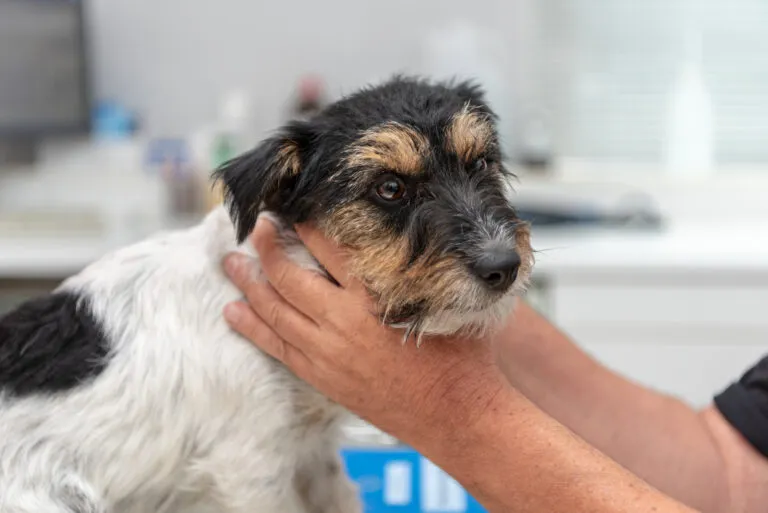
The thyroid gland plays a crucial role in a dog's metabolism. But, especially in middle-age dogs, it is relatively common for hypothyroidism to occur. In the following, you'll learn how this hormonal disorder manifests and how it can be treated.
© K. Thalhofer / stock.adobe.com
The thyroid gland is located on either side of the dog's windpipe.
How Dangerous is Hypothyroidism in Dogs?
The thyroid gland is located in lobes on either side of the trachea in the neck. It produces the thyroid hormones thyroxine (T4) and triiodothyronine (T3). These hormones play a vital role in the carbohydrate, fat, and protein metabolism, as well as in body temperature regulation. A deficiency in these hormones can affect almost all organ systems in the body. Fortunately, hypothyroidism in dogs can be very well managed with medication.
Symptoms: What Are the Key Signs of Illness?
Hypothyroidism affects the entire metabolism of the dog. Therefore, symptoms are varied and not specific. They can also appear with many other illnesses, and the disease develops slowly.
Possible signs of hypothyroidism in dogs include:
- Lethargy and reluctance to move
- Weight gain
- Hair loss, dull fur, and dandruff
- A “sad facial expression” due to fluid retention
- Sensitivity to cold
- Susceptibility to skin and ear infections
- Irregular cycles and infertility
Diagnosis: How is Hypothyroidism in Dogs Confirmed?
Diagnosing hypothyroidism based on symptoms alone is difficult. An array of symptoms combined with the age and breed of the dog help guide the veterinarian.
When hypothyroidism is suspected, a blood test will determine thyroid levels (T4, fT4, and TSH). If T4 and fT4 are low and TSH is high, the diagnosis is confirmed.
If only the T4 level is low, further tests are needed as other illnesses or medications could be the cause.
Additional tests might include:
- TSH Stimulation Test: This assesses the functional reserve of the thyroid gland to see if it produces enough hormone or if there’s a genuine deficiency. This is considered the “gold standard” but can be very expensive.
- Measurement of antibodies against thyroglobulin (ATA)
- Ultrasound
Treatment: What Are the Options?
To treat hypothyroidism in dogs, the missing thyroid hormone (L-thyroxine) is administered. Various medications in the form of tablets or liquid are available, which you can give your dog daily. This treatment must continue for life.
The goal is to reach normal thyroid hormone levels in the body, at which point symptoms will also subside. The medication dose is individually tailored to each dog. Moreover, the veterinarian must regularly monitor the thyroid levels.
Prognosis: What Are the Chances of Recovery?
Hypothyroidism in dogs cannot be cured. Affected dogs must take medication for life. Once the individual right dose is found, there’s nothing to prevent a long and happy life.
Causes: What Leads to the Condition?
Typically, hypothyroidism in dogs is caused by inflammation that gradually destroys healthy thyroid tissue, leading to progressive loss of function.
This can result from chronic inflammation or an autoimmune reaction, where the immune system attacks its own body. It mistakenly targets normal thyroid tissue as pathogens and fights it with antibodies. As a result, the hormone-producing tissue is destroyed, and the thyroid gland can no longer produce hormones in sufficient quantities.
Less common causes include thyroid tumours, iodine deficiency, or tumours of the pituitary gland. An inherited form of hypothyroidism exists where affected puppies either fall behind in development or are stillborn.
Medium to larger breeds like Golden Retriever, Doberman, Irish Setter, Bobtail, and Hovawart are more frequently affected.
Prevention: How Can Hypothyroidism be Prevented?
Unfortunately, the most common causes of hypothyroidism in dogs cannot be prevented. In rare cases of iodine deficiency, a balanced and appropriate diet can prevent the condition.
By understanding the importance of the thyroid gland, recognising the symptoms, and knowing how to manage the condition, you can ensure that your dog leads a happy and healthy life despite hypothyroidism.