{"url":"https://www.zooplus.co.uk/magazine/cat/cat-health-and-care/having-your-cat-vaccinated","title":"Having Your Cat Vaccinated","mag_id":414323,"is_single":true,"cat_name":"Cat","sub_cat_id":440,"sub_cat_name":"Kitten","cat_id":138}
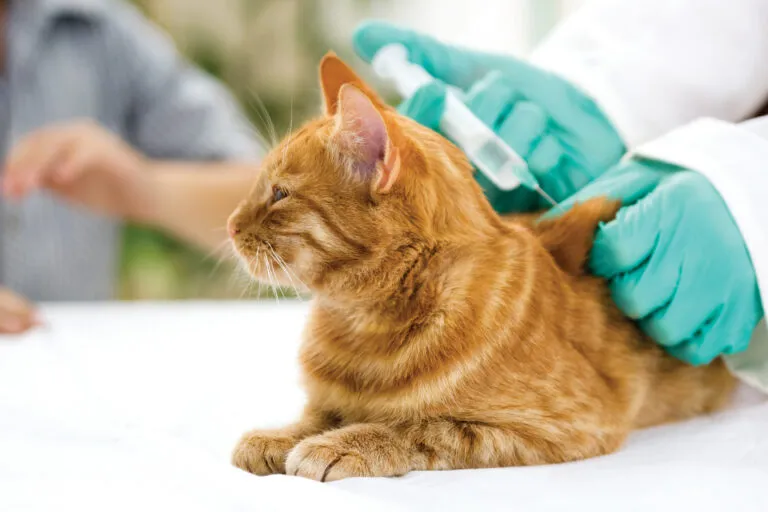
To keep your beloved indoor cats healthy and by your side for many years, you should have them vaccinated. Otherwise, cats can develop serious illnesses that may leave lasting after-effects or, in the worst-case scenario, lead to your cat’s death.
As important as it is to protect your cats from disease through vaccination, you should also be aware of the possible risks and side effects. Since there is no general legal requirement to vaccinate, the decision ultimately lies with you as the owner.
If you decide to have your cats vaccinated, make sure they are in good health. This also means they should be free from parasites and well nourished. Only then can the vaccination be effective without putting additional strain on your cat. If your cat’s immune system is unwell or weakened, the vaccine may fail to provide sufficient immunity.
How Does a Vaccination Work in Cats?
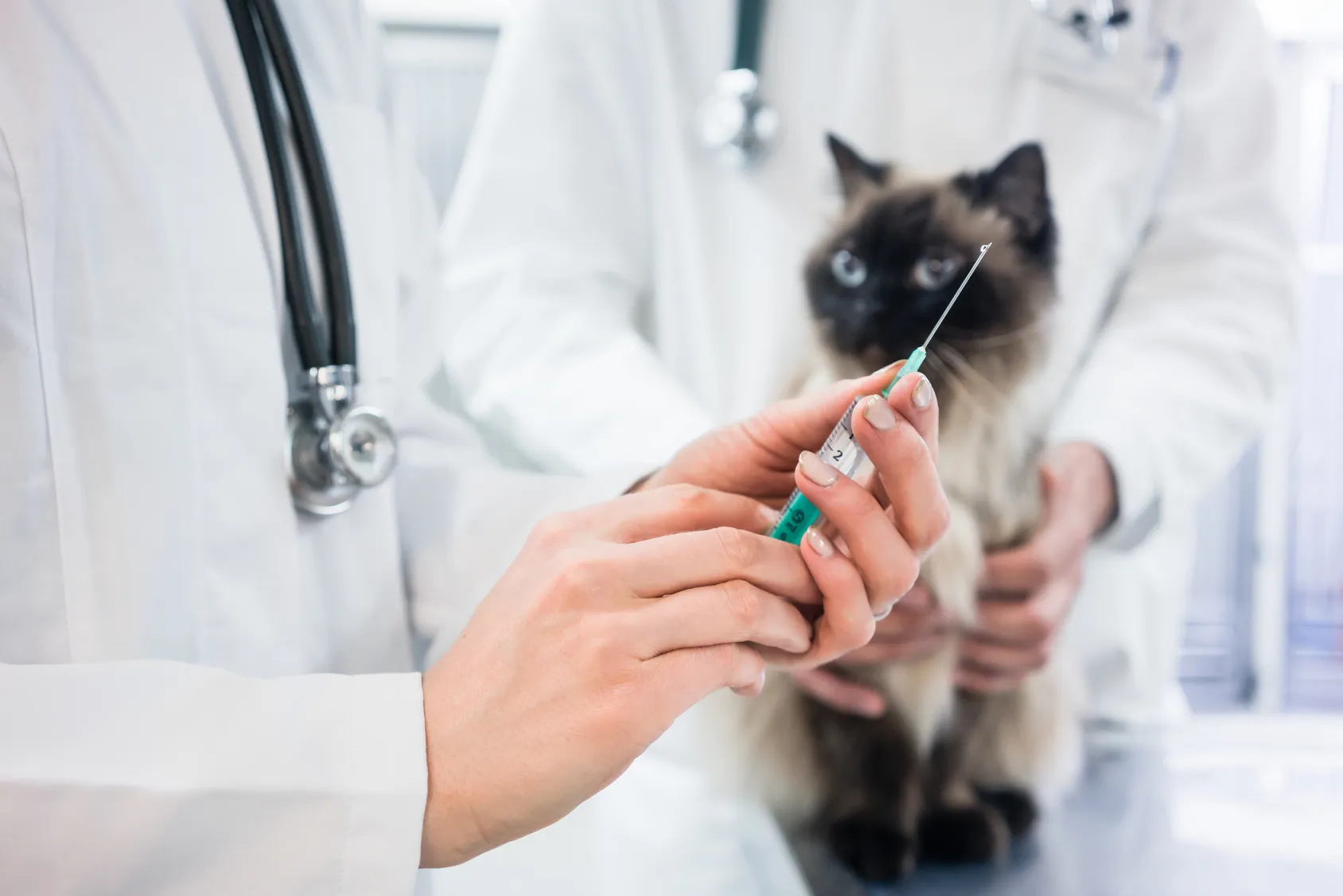
In principle, only veterinary surgeons are permitted to administer vaccinations. Accordingly, only they are authorised to make entries in the vaccination record. With every vaccination, cat pathogens are injected that do not cause illness. The cat’s body then produces what are known as antibodies. These prevent your cat from becoming infected with the actual disease-causing agents.
Minimum Age for Kittens at Their First Vaccination
From eight weeks of age, you can have your kittens vaccinated. A primary course covering the most common vaccinations against feline panleukopenia and cat flu is recommended. This protects your kittens from these life-threatening diseases.
While kittens are being nursed, they are protected by antibodies from their mother. As this protection can reduce the effectiveness of a vaccine, a second vaccination is required at twelve weeks of age, or four weeks after the first injection. The subsequent vaccination schedule depends on the vaccine used.
Are Vaccinations Useful for Indoor Cats?
Indoor-only cats have no contact with unfamiliar cats and are therefore less likely to contract infectious diseases. However, there are typical feline illnesses that can be transmitted even without direct contact with other cats. This applies, for example, to feline panleukopenia and cat flu. For this reason, vaccination against these diseases is just as advisable for indoor cats as it is for those that go outdoors.
If your cat is going to travel with you or stay in a cattery while you are on holiday, further vaccinations will be necessary. For cross-border travel, your cat must have a rabies vaccination, a microchip for identification and an EU pet passport.
Catteries often have shared rooms where unfamiliar cats mix. To reduce the risk of infection with the feline leukaemia virus, vaccination against feline leukaemia is also advisable for indoor-only cats in this situation.
Discuss the need for any additional vaccinations with your vet.
Which Vaccinations Are Recommended for Cats?
As with humans, every vaccination involves a primary course followed by booster injections. Please consult your trusted vet to find out how often booster vaccinations should be given.
Effective vaccines are available against the most serious diseases that can affect cats. These include:
Feline panleukopenia
Cat flu (rhinotracheitis, herpesvirus and calicivirus infection)
The effectiveness of the vaccination currently available against feline infectious peritonitis (FIP) is considered unproven. Therefore, vaccination is not recommended by the Standing Committee on Vaccination.
There are several vaccinations known as core vaccines. Every cat should be vaccinated against these diseases at all times, regardless of its living conditions. The recommendations are issued by the Standing Committee on Veterinary Vaccination.
The following vaccinations are considered essential:
Feline Panleukopenia
Feline panleukopenia, also known as feline parvovirus infection, is caused by the feline parvovirus. It is similar to the virus responsible for parvovirus in dogs. Transmission occurs from animal to animal, but also via objects contaminated with the virus.
The virus is highly resistant and therefore poses a constant threat to unvaccinated cats. It can be found both in the excretions of infected cats and in those of cats that have already recovered from the disease.
Panleukopenia most commonly affects young cats, but older cats can also become ill. The first symptoms usually appear three to nine days after infection. These include lethargy, loss of appetite, fever, refusal to eat and vomiting.
Vaccinating Cats Against Feline Panleukopenia
Vaccination should begin at eight weeks of age, as the protection provided by antibodies from the mother’s milk starts to wane at this point. To achieve adequate protection, the Standing Committee on Vaccination recommends a primary course with further injections at twelve and sixteen weeks of age, followed by another at fifteen months.
Whether the vaccine is then required annually or only every three years depends on the product used. Your vet will be able to advise you.
Cat Flu
Cat flu is primarily caused by feline caliciviruses and herpesviruses. The harmless-sounding name can be misleading, as the disease is highly contagious and may lead to pneumonia or even blindness. In very severe cases or if left untreated, it can be fatal.
What Is the Vaccination Schedule for Cat Flu?
From eight weeks of age, you should have your cats vaccinated. The Standing Committee on Vaccination recommends a primary course with further injections at twelve and sixteen weeks of age, completed with another vaccination at fifteen months.
The ongoing vaccination schedule currently differs between outdoor and indoor cats. If your cat goes outdoors, vets recommend annual vaccination. For indoor-only cats, however, a booster every two to three years is sufficient.
Vaccinations to Consider on an Individual Basis
In addition to the strongly recommended vaccines, there are also non-core vaccines. These are optional and should be considered on a case-by-case basis. Factors influencing this decision include contact with unfamiliar cats, travel abroad and stays in catteries.
Feline Leukaemia
Feline leukaemia, also known as FeLV, is currently incurable. It can lead to tumours, a weakened immune system and disorders of blood cell formation, sometimes only years after infection.
The feline leukaemia virus is transmitted only through close contact with infected cats. Outdoor cats or those that frequently interact with unfamiliar cats are therefore particularly at risk. If you would like your kitten to enjoy time outdoors, you should have it vaccinated from eight weeks of age.
Important: Only vaccinate cats that have tested negative for the virus.
A booster is due annually. Susceptibility to the virus decreases with age. Therefore, from around seven years of age, it should be reassessed individually whether vaccination is still necessary. Speak to a trusted vet, who will be happy to provide further information and help you decide.
Rabies
Rabies is caused by the rabies virus (Lyssavirus or Rhabdovirus). A rabies infection is fatal for both our pets and humans. As a zoonotic disease, it can be transmitted to various animal species as well as to people. According to the WHO, around 60,000 people worldwide die from rabies each year. By vaccinating your cat, you are therefore also protecting yourself.
Kittens can be vaccinated from twelve weeks of age. Rabies vaccination is strongly recommended for outdoor cats. If you plan to travel abroad with your cat, a rabies vaccination is mandatory.
Depending on the vaccine used, it must be repeated every two to three years. Your vet can provide further details.
Chlamydial Infection (Chlamydiosis or Chlamydia Felis)
Chlamydia felis is one of the pathogens involved in cat flu and primarily causes eye-related symptoms. It leads to conjunctivitis in one or both eyes and purulent eye discharge. Chlamydiosis is particularly problematic in cats that have close contact with others, such as those in shelters, catteries or breeding facilities. Young cats are especially susceptible to infection.
If this applies to your situation, vaccination against Chlamydia felis is strongly recommended. In rare cases, the pathogen can be transmitted to humans. Good general hygiene is therefore especially important when caring for an infected or ill animal.
Vaccination can be given from eight weeks of age and must be repeated three to four weeks later. An annual booster is essential to ensure adequate protection.
Please note that vaccination reduces the symptoms caused by Chlamydia felis but cannot prevent infection with the pathogen.
Feline Infectious Peritonitis (FIP)
Feline infectious peritonitis is triggered by a mutation of the feline coronavirus (FCoV). Direct transmission of the mutated FIP virus from cat to cat is rare. However, the feline coronavirus itself is highly contagious. Transmission occurs through direct contact with infected cats and via contaminated objects.
An intranasal vaccine is available as a preventive measure. However, its effectiveness is highly controversial among experts and is the subject of ongoing debate. In particular, vaccination against FIP is not recommended in households with FCoV-positive cats. In any case, the decision to vaccinate against FIP should be considered very carefully.
If you decide to have your cats vaccinated, this should only be done after a negative FCoV test. Vaccination can take place at the earliest from sixteen weeks of age and must be repeated after three weeks.
Supporting a Healthy Immune System
In addition to vaccinations, high-quality cat food, fresh water, warm resting places, plenty of activity – and of course lots of cuddles – all contribute to a properly functioning immune system.
At zooplus, we wish you and your cat(s) continued good health.
Important Note: The content provided for informational purposes only and is not intended to replace professional veterinary advice, diagnosis or treatment. If you have any questions or concerns about your pet's health, please always consult a licensed veterinarian.
This article was translated using Artificial Intelligence from the original German zooplus Magazine. While the original content was authored by industry experts and reviewed by our editorial team, this automated translation has not been human-edited and is provided for informational purposes.
zooplus Editorial Team
The zooplus editorial team consists of a dedicated team of experts with many years of experience in the field of animal husbandry: Luisa with her White Swiss Shepherd Elyos, Laura, Julio, and Florian. Together with a large network of animal experts, we work to make the zooplus magazine a trusted source of information for all animal owners and lovers. Our goal is to provide exciting animal knowledge and relevant information on the proper care of pets.
It’s not just the right type of litter tray that will make your cat happy, but also the right type of cat litter. The best litters are ones that are very absorbent and ideally neutralise odours too, but finding the perfect cat litter can be no easy task with so many varieties on offer from natural clumping litter made of clay, non-clumping litter, litter made of wood or silica.
Are you worried because your ageing feline friend no longer responds to her name? Or are you wondering why your house cat can’t find her food bowl straight away? Your cat has probably reached a proud senior age and now needs special care. Find out how to spot the symptoms of senility in your cat early on and give her an age-appropriate life.
Coconut oil is very popular among cat owners as it provides natural protection from ticks and other parasites. In addition, this on-trend product is said to have numerous benefits. We will give you tips and information on how and when coconut oil can be a practical alternative to conventional remedies.