{"url":"https://www.zooplus.co.uk/magazine/dog/dog-nutrition/what-foods-are-dogs-not-allowed-to-eat-overview-table-of-toxic-foods","title":"What Foods Are Dogs not Allowed to Eat? Overview Table of Toxic Foods","mag_id":416298,"is_single":true,"cat_name":"Dog","sub_cat_id":145,"sub_cat_name":"Dog Nutrition","cat_id":3410}
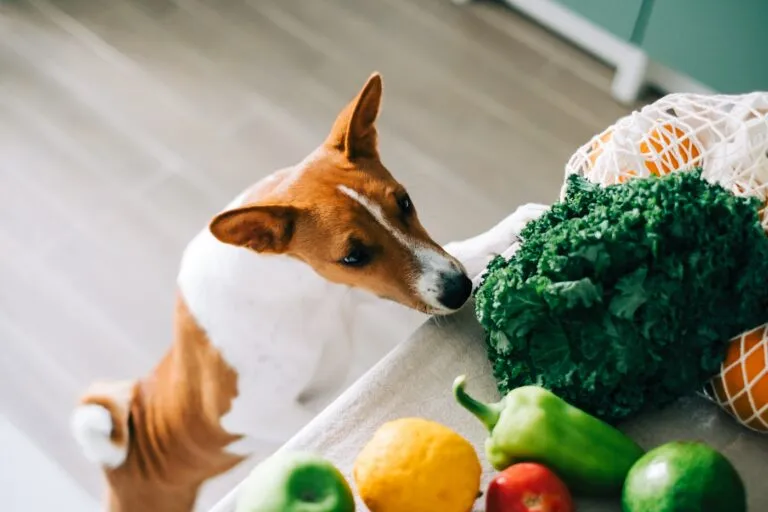
Not all foods that we humans can eat without concern are good for our dogs too. Sometimes even small amounts are toxic, while with other foods it depends on how long they are given for or how they are prepared. But what can dogs eat and what should dogs not eat? Get an overview of safe and toxic foods for dogs.
There are a few hidden dangers in the kitchen and fridge for our foodie four-legged friends. That’s why it’s important to know which foods dogs should never eat.
What Should Dogs not Eat? The Most Important Things at a Glance
Although dogs were historically used as “leftover eaters” and still partly have this reputation today, only specially formulated high-quality dog food should go in their bowl.
Of course, an occasional treat is allowed. However, some human foods are harmful or even toxic for dogs. The key factor is often the quantity and form in which they are given – in other words, raw or cooked. That’s why it’s important to know exactly which foods can harm your dog.
As a general rule: Anything humans need to cook should only be given to dogs cooked as well. Anything humans can eat raw can usually also be fed raw to dogs. Naturally, this excludes the foods listed below!
Signs such as vomiting or diarrhoea may indicate an intolerance or, in the worst case, poisoning in dogs. If your dog shows symptoms or if you are unsure, always consult a vet!
Dangerous and Toxic Foods for Dogs
The following lists include dangerous andtoxic foods for dogs that your four-legged friend should never eat. However, these lists are not exhaustive. There may therefore be other foods that could harm your furry friend.
For a better overview, the table at the end of the article clearly summarises some of the foods dogs should not eat.
Chocolate & Cocoa
Chocolate and cocoa are toxic foods for dogs. They contain the toxic substance theobromine. The darker the chocolate, the higher the theobromine content.
The first symptoms can appear after just a few hours. These include
vomiting,
restlessness,
trembling and
later on seizures, breathing difficulties and a racing heart.
Ultimately, this leads to heart failure and therefore death. Always try to determine how much chocolate your dog has eaten and contact your vet or an emergency veterinary clinic immediately.
As little as 50 grams of dark chocolate can cause the first signs of poisoning in a dog weighing 20 kilograms.
Birch Sugar (Xylitol) & Other Sweeteners
Xylitol, also known as birch sugar, causes hypoglycaemia in dogs within 30 to 60 minutes. If left untreated, this can result in seizures, coma and even death in dogs. Depending on the dose, it can also lead to acute liver failure. Depending on the xylitol content, just one to three pieces of chewing gum can be fatal for a ten-kilogram dog.
Other sweeteners such as erythritol, stevia and aspartame are not toxic to dogs in small amounts, but they are still not recommended as species-appropriate food. If a dog eats too much of them, it can cause gastrointestinal problems.
Which Vegetables and Fruits Should Dogs not Eat?
Onions and Garlic
Onions, garlic and other allium vegetables are strictly forbidden for dogs. The substances they contain, N-propyl disulphide and allicin, destroy dogs’ red blood cells.
Even a very small amount of garlic or onion – around five grams per kilogram of body weight – can be highly toxic, regardless of whether it is fresh, fried, cooked or dried. One medium-sized onion or one bulb of garlic is enough for a 20-kilogram dog.
Grapes and Raisins/Sultanas
Grapes and raisins can be fatal for some dogs. Why this happens and which dogs develop symptoms of poisoning is still unclear. In general, however, signs of poisoning can occur after ingesting as little as ten grams of grapes per kilogram of body weight or less than three grams of raisins per kilogram.
The main symptoms that appear after just a few hours are vomiting, lethargy and stomach cramps. Within 24 to 72 hours, kidney failure and death can follow.
Avocado
Avocados contain the substance persin. This substance is found in particularly high amounts in the skin and stone of the fruit. However, depending on the variety, the flesh can also contain significant amounts of persin. It causes diarrhoea and vomiting in dogs. In addition, the stone can cause an intestinal blockage (ileus) if swallowed by the dog.
Mushrooms
No one can say for certain exactly how the ingredients in mushrooms affect dogs’ bodies. They may damage organs, destroy blood cells or even be carcinogenic. That’s why mushrooms do not belong in a dog’s food bowl.
Other Foods Dogs Should not Eat
Raw Pork
You should never feed raw pork, raw ham or salami to your four-legged friend. Pigs may unknowingly carry the Aujeszky virus. Infection with this virus is always fatal for dogs.
Bones
Poultry bones and cooked bonesdo not belong in a dog bowl. Cooking makes bones porous and they splinter easily when chewed. These splinters can cause severe damage to the stomach or intestinal walls and lead to internal bleeding.
Coffee, tea and other caffeinated foods and drinks (cola, energy drinks) can have serious consequences for dogs’ nervous systems. The caffeine (or theine) they contain causes a racing heart, vomiting and restlessness within a few hours.
As it progresses, the same symptoms as chocolate poisoning can occur, along with kidney problems and nerve damage. The minimum lethal dose is around seven coffee beans per kilogram of body weight.
Alcohol
Dogs have a much lower tolerance for alcohol. Initially, or with small amounts, the symptoms are similar to those in humans. Later on, or after consuming larger amounts, dogs may suffer from vomiting, coordination problems, breathing difficulties, coma and death. Long-term consumption of even small amounts of alcohol can also cause severe liver damage.
Nuts
Nuts, especially walnuts and macadamia nuts, should not be fed to dogs. These two varieties in particular can cause nerve and muscle damage. For example, just four macadamia nuts are enough for a dog weighing 30 kilograms.
Other types of nuts can, depending on their size, cause an intestinal blockage in dogs in the long term.
Foods that Dogs and Puppies Should only Eat in Moderation
With many foods, the amount determines whether they may be harmful. However, it is not always possible to predict exactly how much of a particular food is harmful to an individual dog. That’s why you should avoid these foods as a precaution too.
In addition: Some foods are only toxic when raw, but can be safely fed when cooked. Our table at the end of the article shows what dogs can eat and in what form.
Which Vegetables Should Dogs only Eat in Moderation?
Nightshade Vegetables
Nightshade vegetables such as Tomatoes, aubergines, peppers and potatoes should also be treated with great caution. In particular, the green parts of these fruits and vegetables and sprouting potatoes contain a lot of solanine.
Potatoes and red or yellow peppers should therefore only be fed cooked. Tomatoes can be given raw in small amounts, but you must carefully remove the green parts. Symptoms of poisoning include irritated mucous membranes, diarrhoea and vomiting.
Cabbage Vegetables
Cabbage vegetables can cause severe flatulence in dogs and should therefore only be fed in small amounts and never raw.
Beans and Other Legumes
Beans and other legumes should never be fed uncooked. In their raw state, they contain the substance phasin, which is harmful to both humans and dogs. It causes vomiting, abdominal cramps and bloody diarrhoea.
Which Fruits and Other Foods Should Dogs Only Eat in Moderation?
Stone Fruit/Fruit Stones
Stone fruits include, for example, apricots, plums, cherries and peaches. The hydrocyanic acid contained in the stones is released when chewed and can lead to severe neurological disorders. Swallowed whole, the stones can also cause an intestinal blockage (ileus).
Almonds
Almonds contain hydrocyanic acid, just like fruit stones. This can lead to severe neurological disorders. Swallowed whole, almonds can also cause an intestinal blockage (ileus).
Raw Eggs
Raw eggs inhibit the absorption of biotin. This substance is important for carbohydrate, protein and fat metabolism. In addition, raw eggs can be a risk factor for salmonella poisoning. Therefore, please feed them cooked only.
The Dose Makes the Poison: Extra Caution Is also Needed with These Foods
Very fatty and heavily seasoned foods are not suitable for dogs. Their metabolism works differently from ours. Fatty and heavily seasoned foods can cause diarrhoea or vomiting in dogs. In addition, very fatty foods can lead to inflammation of the pancreas (pancreatitis) in the long term.
Fruit usually has a high sugar content. It should therefore only be fed in small amounts.
In general, sugary foods are not recommended for dogs. Sugar itself is not toxic to dogs, but it provides lots of empty calories with little nutritional value – which, as in humans, can contribute to obesity, dental disease, and heart, joint and metabolic problems. Sugar therefore has no place in dog food. The same applies to “hidden sugars” listed, for example, as molasses or maltose syrup.
Although salt is not inherently toxic to dogs, the amount is crucial. Older, weak and ill dogs require particular caution. Larger quantities of salt can damage the heart and kidneys.
Fish should only be given to your dog in small amounts and never raw. The high protein and fat content of fish can cause vomiting or diarrhoea in some dogs. Also make sure there are no bones in it.
Dairy products can cause gastrointestinal problems in some dogs due to lactose intolerance. Severe diarrhoea is common in these cases. Dogs should therefore never be given plain milk and only small amounts of other dairy products such as yoghurt or quark – ideally lactose-free.
Good to know: Houseplants may not be food, but some dogs still love chewing them. Find out which plants are toxic to dogs and therefore do not belong in a safe dog-friendly home as decoration.
Tips for Owners: Prevent Accidents and Recognise Symptoms
Stay strong when your dog gives you a pleading look. Even if it can be difficult, you should learn to resist those heart-melting puppy eyes. What humans enjoy eating is not a suitable benchmark for dogs.
The same applies to some foods dogs love to eat. Some four-legged friends are very greedy and cannot distinguish between foods that are safe and those that may be harmful or even life-threatening to them.
These tips can help you prevent accidental eating:
Make sure that food is stored safely out of your dog’s reach. You may also need to teach your dog that areas such as the dining table, kitchen or pantry are off-limits zones to keep them away from temptations and hazards from the start.
Above all, never leave sweets, boxes of chocolates or similar items out in the open and unattended – especially not overnight.
Seal rubbish bags properly and store them out of your dog’s reach.
Teach your dog not to eat food from the ground and instead train them to alert you to it. This training is also extremely helpful for protection against poisoned bait .
Watch Out for These Symptoms
The most common signs of poisoning are diarrhoea and vomiting. In addition, some toxic foods can cause other complications or even be fatal depending on the amount consumed.
Are you unsure whether your dog has eaten something toxic? Or is your dog showing suspicious symptoms? Then please contact a vet or veterinary clinic immediately.
Dog Eaten the Wrong Food? Go to the Vet!
If your dog eats something it should not have despite all precautions, seek advice from a vet immediately. They will ask you when the food was eaten, what it was and how much was consumed.
Based on this information, the vet will then begin the appropriate treatment. Unfortunately, it is not always possible to save the dog – or help may come too late. That’s why it is essential to prevent dogs from eating unsuitable or toxic foods.
List of Safe Foods: What Dogs Can Eat
The following list shows whether dogs can eat fruit, vegetables and other foods. If there are things you should pay attention to when feeding them, you will find a note in the right-hand column next to the relevant food item.
What Should Dogs not Eat: Table of Toxic Foods for Dogs
What should dogs not eat? The following table shows you. Please remember that the lists in this article are not exhaustive. This table only summarises some foods commonly consumed in households that are not intended for four-legged friends.
This article was translated using Artificial Intelligence from the original German zooplus Magazine. While the original content was authored by industry experts and reviewed by our editorial team, this automated translation has not been human-edited and is provided for informational purposes.
zooplus Editorial Team
The zooplus editorial team consists of a dedicated team of experts with many years of experience in the field of animal husbandry: Luisa with her White Swiss Shepherd Elyos, Laura, Julio, and Florian. Together with a large network of animal experts, we work to make the zooplus magazine a trusted source of information for all animal owners and lovers. Our goal is to provide exciting animal knowledge and relevant information on the proper care of pets.
The range of dog food available today is greater than ever before. While many products aim to cater for every dog’s taste, the choice can feel overwhelming: which dog food is the right one? And is dry dog food or wet food better for my four-legged friend? You’ll find the answers to these questions, along with an overview of the pros and cons, in this article.
There's nothing better than refreshing ice cream on hot summer days. The longing looks of dogs at frozen delicacies prove it. But did you know, you can easily make your own tasty dog ice cream and treat your dog to a cold, healthy surprise this summer.
Most people know the term “cold-pressed” from olive oil, but have you ever wondered what is behind the term “cold-pressed dog food”? We will explain the difference to conventional dog food and give tips on searching for the right dry dog food.