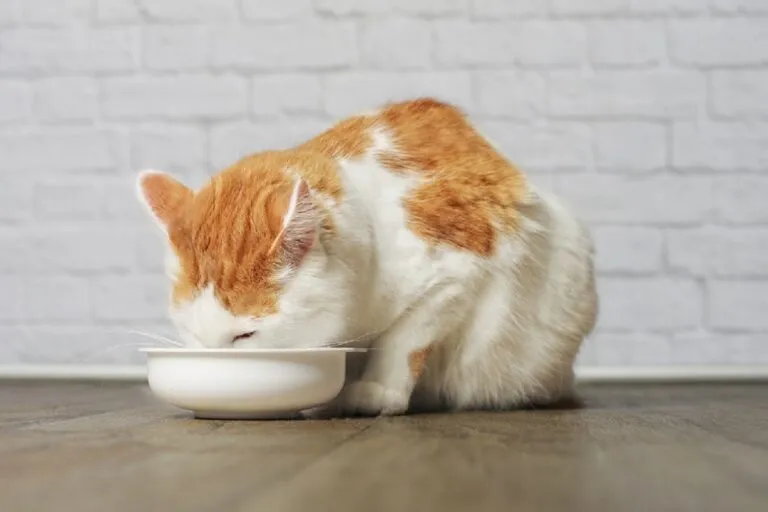
Taurine isn't just a popular ingredient in energy drinks; it's also found in cat food. But why is it important for cats, and what happens if they don't get enough of it? In this article, you'll find all the essential information about taurine for cats.
Taurine is involved in many functions within a cat's body and is therefore essential for their health.
What is Taurine?
Although taurine (2-aminoethanesulfonic acid or β-aminoethanesulfonic acid) is often considered an amino acid, it’s actually a breakdown product of the amino acids methionine and cysteine.
For many living beings, taurine is crucial for life functions. As it neutralises free radicals in the body, it is classified among the antioxidants.
Is Taurine Important for Cats?
Unlike many other animals, cats can scarcely produce significant amounts of taurine in their liver. Therefore, they depend on the daily intake of taurine through their food, making taurine an essential amino acid for them.
Crucial for Vision, Digestion, and Heart Function
Taurine is involved in numerous bodily functions and is therefore essential for your cat’s well-being. It plays a significant role in the function of the heart muscle, as well as for the eyes and digestion.
Additionally, taurine is involved in maintaining pregnancy and the healthy development of foetuses. Even the immune system is believed to be influenced by this essential amino acid.
Natural Sources: Where is Taurine Found for Cats?
The taurine content varies among different sources:
There’s particularly high taurine content in fish and meat, with the highest amounts in the heart muscle and the retina. Other offal, like the liver, is also rich in this indispensable amino acid. Comparatively, there’s little taurine in animal products like eggs or milk (especially cow’s milk).
It’s important to know that taurine is not found in plants. This is why it’s crucial that your cat gets enough animal-based food containing suitable amounts of taurine.
Taurine Deficiency: What Happens if Cats Get Too Little Taurine?
If your cat doesn’t get enough taurine through its food, it will gradually develop a taurine deficiency. This can go unnoticed for a long time. Only after at least six months (sometimes even longer) affected cats may start showing health issues.
Typical Consequences of Taurine Deficiency
A well-known consequence of taurine deficiency in cats is dilated cardiomyopathy (DCM), where the heart becomes dangerously enlarged and expanded. Fortunately, this condition is now widely known and therefore rare.
However, other problems can arise from too little taurine, including:
- Retinal degradation and blindness
- Reproductive issues
- Hearing loss
- Birth defects in kittens
- Immune system disorders
Which Cats Are Most Affected?
Cats are especially prone to taurine deficiency if they are fed only home-cooked meals or dog food. Vegetarian food without added taurine can also cause taurine deficiency in cats.
Additionally, certain breeds tend to have lower taurine levels. These include Abyssinians, Burmese, and Siamese.
How is Taurine Deficiency Treated?
If your vet diagnoses a taurine deficiency in your cat, you should provide taurine supplements in consultation with your vet — this also applies to dilated cardiomyopathy. While taurine supplementation doesn’t cure cardiomyopathy, it can alleviate symptoms in some cases.
A dosage of more than 2.5g per kilogram of food (dry matter) or 125–250mg per cat twice daily is recommended by vets.
Requirements: How Much Taurine Does a Cat Need?
As early as 1982, a study published in the Journal of Small Animal Practice reported that adult cats need about 10mg of taurine per kilogram of body weight per day. Later reports suggest even 50mg of taurine per kilogram of body weight.
Depending on their weight, adult cats thus need about 200–500mg of taurine per day. Note that the taurine requirement can be higher for pregnant, nursing, or older cats.
To properly supply cats with taurine, amounts of 1,000mg per kilogram of dry food (dry matter) or 2,000mg per kilogram of wet food (dry matter) are recommended.
Taurine in Dry and Wet Food
If it’s a complete food for cats, it contains all the important nutrients your cat needs to live. It doesn’t matter if it’s wet food or dry food.
However, the taurine content can vary from one food to another as the taurine concentration depends also on the ingredients and the manufacturing process. This is why many food manufacturers add taurine — an overdose is unlikely at usual amounts.
Taurine in Raw Feeding
Barf (biologically appropriate raw feeding) often contains sufficiently high levels of taurine, provided you use taurine-rich raw materials. This is because the ingredients in raw feeding are not heated, allowing taurine to remain fully intact.
Taurine in Home-Cooked Food
If you prepare your cat’s food yourself, keep in mind that taurine is lost when heated. Cooking loses about a quarter of the original amount; frying loses nearly half.
How Safe Is Taurine Supplementation for Cats?
If your cat’s food doesn’t have enough taurine, it’s important to add it. You can use taurine-containing powders or pastes for this purpose.
Generally, you don’t need to worry about negative effects of supplementing with taurine — as long as you follow the manufacturer’s instructions.
Note: Before giving your cat food supplements, it’s always advisable to discuss this with your vet first.