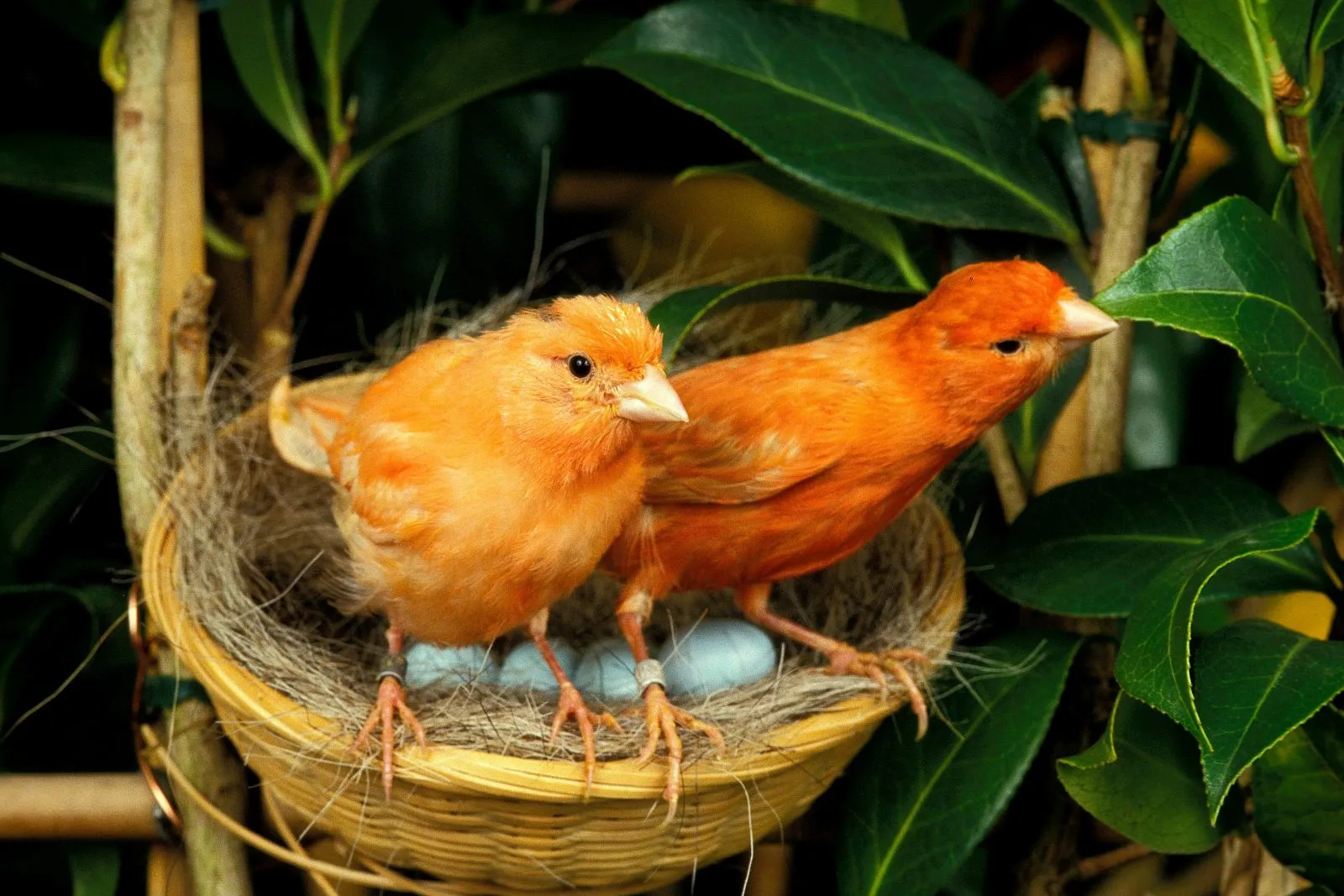
The canary is extremely popular and is one of the most commonly kept ornamental birds in aviaries. But why is the canary so popular, and what should you bear in mind when it comes to keeping and feeding them?
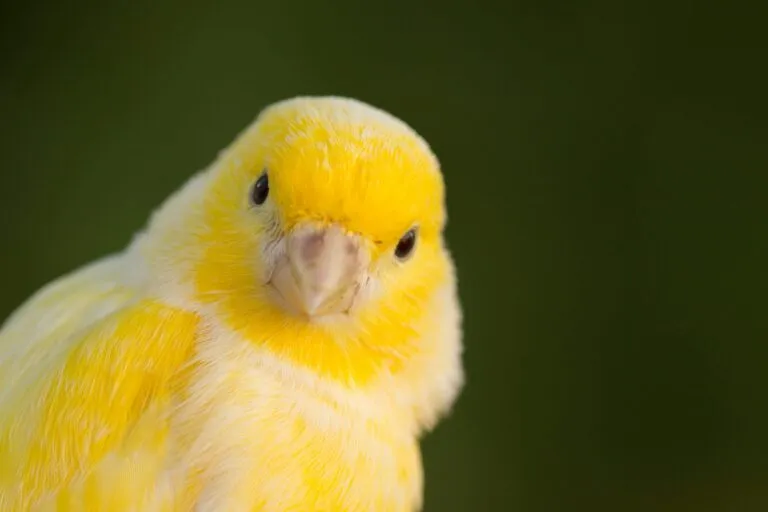
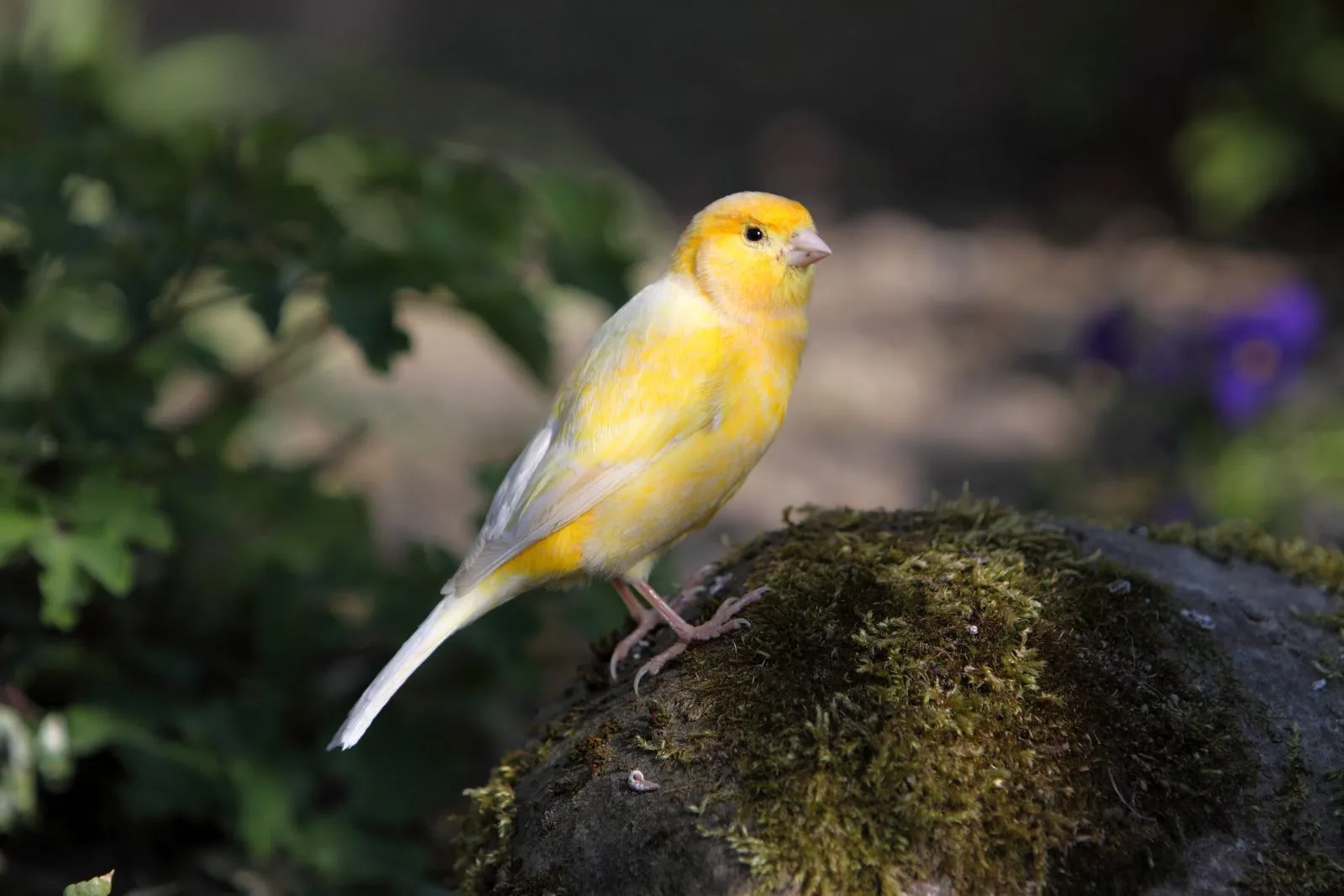
The canary (Serinus canaria forma domestica) reaches a size of around 13 to 14 centimetres (song and colour canaries) or 11 to 23 centimetres (type canaries), depending on breeding.
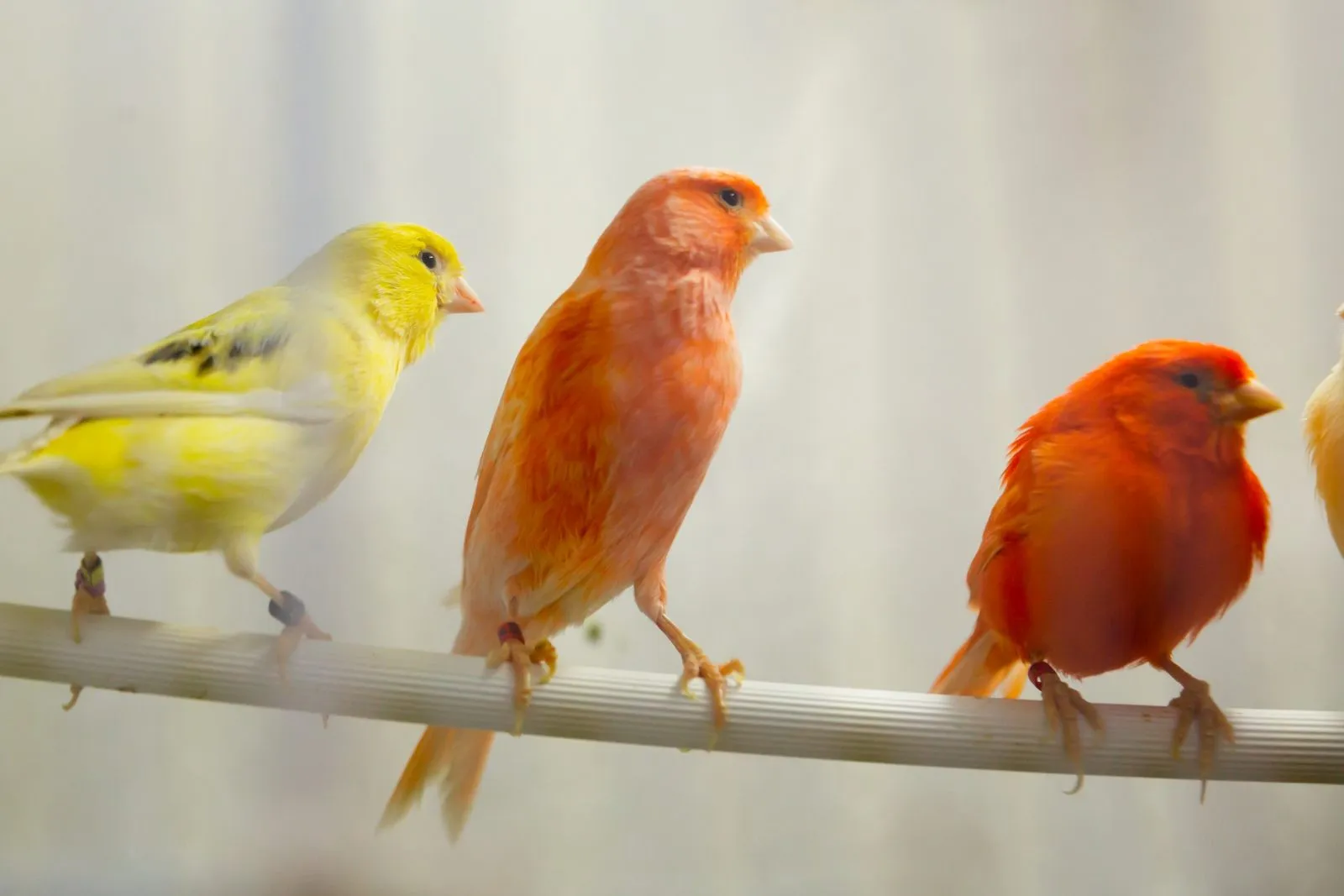
While the ancestors of canaries were lemon yellow, years of selective breeding have produced canaries in a wide range of colour varieties:
Brown
Brown-silver
Light grey
Melanin-striped or speckled
Orange
Red-orange
Red
White
White-yellow
Song canaries include the American Singer, Harzer Roller and Waterslager. Type canaries include the Belgian Canary, Bossu, Fancy, Crested Canary and Milanese Frisé.
Female and male birds look very similar. Differences can usually only be seen around the cloaca during the breeding season.
In males, the cloaca protrudes forwards in a cone shape at this time. Aside from this external feature, cocks can also be identified by their beautiful song.
Housing: Stronger together
How many companions does a canary need?
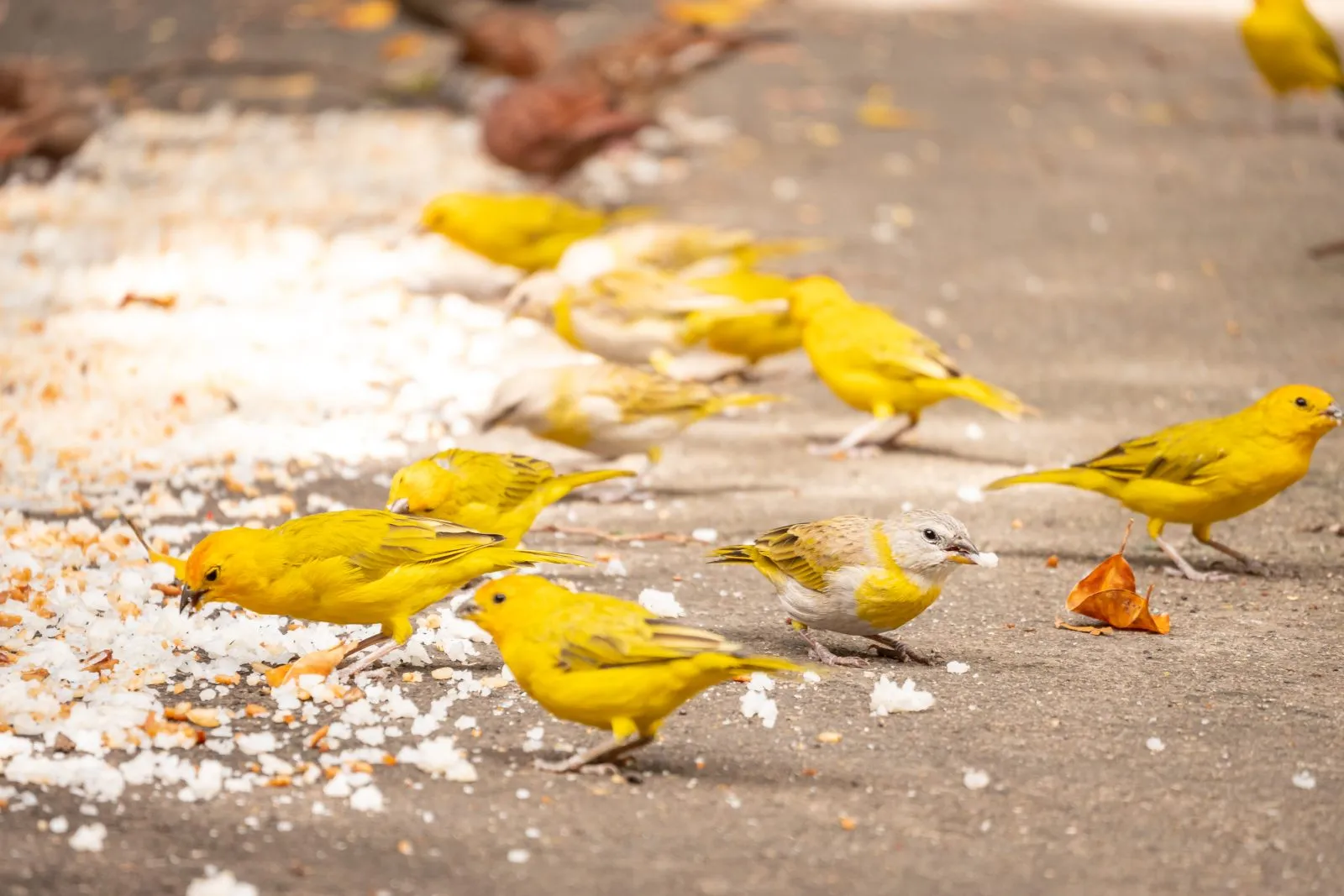
In their natural habitat, canaries live in groups. For this reason, you should never keep canaries alone. Rule number one is therefore: at least in pairs, or ideally in a group of at least four birds.
In a group, keeping one male canary with several females is considered relatively straightforward. This setup is therefore particularly suitable for beginners.
If you want to keep birds of the same sex, they must get on well with one another. If you keep both sexes together, you should expect disputes between the males during the breeding season. You should also be aware that a mixed-sex pair may produce offspring.
Why is keeping canaries alone a bad idea?
In the past, male canaries were often kept alone so that they would bond more closely with their owners. They then sang not for other canaries, but for people.
However, the absence of other canaries has a negative impact on a canary’s health. Behavioural problems and imbalance can result. For animal welfare reasons, keeping canaries alone is therefore fundamentally unacceptable.
Can I keep canaries with other bird species?
Different bird species have different needs and ways of communicating. A bird of another species cannot replace a companion of the same kind. For this reason, it is not advisable to house canaries with other birds – especially not with large parrots.
Canaries live in groups and need the company of others of their own kind.
Cage and equipment for canaries
How big should the cage be?
The required size of the aviary depends on how many canaries you plan to keep. In general, your birds should have enough space to fly around. A group of more than two birds needs at least 100 x 50 x 50 centimetres of space.
In principle, you can choose between an indoor aviary and an outdoor aviary. Unfortunately, commercially available cages are often too small and only suitable for transport. Round cages are also unsuitable and are considered contrary to animal welfare standards.
Free flight and night-time rest
Your birds will also enjoy regular free flight in the home. In addition, you should provide them with at least ten hours of night-time rest, as they are active during the day.
Furnishing the aviary
To ensure your birds can live a species-appropriate life in the aviary, they need a few essential elements. Alongside a bird bath, your birds will appreciate perches of varying thickness made from natural wood (e.g. untreated maple, elder, poplar or willow branches) as well as a cuttlebone.
The interior setup should also include at least one water dispenser or bowl. In addition, plan a separate food bowl for each bird, placed in the aviary where it is protected from contamination.
In an outdoor aviary, natural ground cover is a good choice. Indoor cages can be lined with kitchen paper or cellulose. Bird sand is less suitable, as it is very dusty.
Choosing the right perches and toys
Do not use perches of the same size, as these can lead to pressure sores on the feet. You should also avoid perches with sandpaper or other coatings, as these can harm your birds’ health.
Plastic toys should also not be placed in the aviary. Natural toys such as grasses or straw are a better option.
You can also find accessories for bird keeping under bird supplies in the zooplus online shop.
A small cage is not suitable for the species: canaries need space and the company of other canaries.
Diet: What do canaries eat?
A common problem when keeping canaries is obesity, as the birds are often given too much food.
In addition to a mix of different seeds (e.g. canary seed, hemp seed, linseed, rolled oats, summer rape), you should also offer low-energy foods such as fresh green feed that is free from pesticides.
Supplements for the diet
Fresh herbs (e.g. basil, nasturtium, dandelion, sorrel, parsley) and vegetables (e.g. chicory, endive, carrot, tomato, cucumber, spinach) are also suitable on a daily basis. However, to prevent spoilage, you should remove them from the aviary in the evening.
When it comes to seed quantities, you can give each bird one to two level teaspoons per day. Treats such as millet sprays or commercially available treat sticks are very popular, but if given too often they can quickly lead to obesity. It is therefore best to offer them rarely or not at all.
You can also find a wide selection of canary food in the zooplus online shop.
Warning: Risk of poisoning
Some foods are toxic to canaries, such as avocados. Mouldy food leftovers and citrus fruits are also harmful to canaries.
Breeding season: When do canaries have chicks?
The breeding season of canaries begins in spring, as with many other animals. The male starts courting to encourage the female to build a nest.
Nest building
Canaries use any materials you provide in the cage for nest building. Natural materials such as grass stems, moss, animal hair, wool and feathers are particularly suitable.
You can also buy nest-building materials specially made for ornamental birds. Coconut fibres and wood wool are suitable for the nest base, while soft nesting fibres are used for lining the nest.
Once your pair has built the nest, the first egg is usually laid the following morning. Over time, the hen can lay up to five eggs.
How can I prevent offspring?
If you want to prevent your mixed-sex pair from producing offspring, you can do so with a simple trick:
Replace the freshly laid eggs with artificial eggs or hard-boiled canary eggs. Leave the replacement eggs in the nest while the hen is incubating. Once she has finished, you can remove the clutch from the aviary.
Don’t be concerned about this procedure, as it also happens in the wild that no chick hatches from an egg. For your hen, this is therefore nothing unusual.
If you provide your canaries with the necessary facilities, healthy birds will generally take care of their own grooming. In some cases, however, your birds may need your help:
Bathing canaries
If your birds are neglecting their grooming, you should gently spray them regularly and remove dirt from their plumage. You can do this using a plant mister filled with lukewarm water. Once well misted, your birds will shake themselves and start preening.
The same also applies to the cloaca. If it is stuck together, you should carefully clean it with a soft sponge and lukewarm water.
Care during the moult
The moult (change of plumage) takes place every year over a period of around eight weeks – often in high summer. This is a very demanding time for your birds, which is why they need plenty of rest.
Daily bathing is particularly important now, as it helps the birds renew their feathers. Fill the bird bath twice a day with fresh, lukewarm water to make bathing more enjoyable. Also make sure your birds are not exposed to draughts when they are sitting on the perches soaking wet.
When it comes to feeding, your birds also need special support during this time. You can use a moulting supplement to provide them with important minerals and vitamins.
An additional clip-on food bowl is especially practical for portioning small amounts. Fresh greens such as dandelion are also particularly beneficial at this time.
Claw care
If your canary’s claws are too long, you should trim them without delay. Otherwise, it may no longer be able to walk properly and could injure itself or other birds.
It is best to hold the bird in one hand and gently pull one foot forward using your index finger and thumb. Hold it up to the light so you can see the blood vessel running through the claw.
Cut off the tip of the claw. Make sure a section of transparent horn remains and try to maintain the natural shape of the claws.
Health: Common illnesses in canaries
From time to time, canaries may become ill – often as a result of incorrect housing or feeding. Unfortunately, this is often only noticed at an advanced stage.
Signs of illness include ruffled plumage (outside the moulting period) and loss of appetite. Diarrhoea or other abnormalities are also reasons to seek advice from your vet as a precaution.
Typical diseases in canaries
The following diseases occur from time to time in canaries:
Canary pox
Canary pox is a viral disease that is fatal to canaries and is usually notifiable, caused by the Avipoxvirus serini. Affected birds suffer from purulent pox lesions on the beak and legs. As the disease progresses, the animals develop breathing difficulties and usually die.
As a preventive measure, you can have your birds vaccinated against the virus.
egg binding
In female birds, an egg may become stuck in the oviduct (egg binding). The abdomen becomes swollen and the hen is exhausted and weakened. As egg binding can quickly lead to death, you should seek veterinary help immediately.
Parasite infestation
Infestation with parasites (e.g. mites) is very common in canaries. These can affect various parts of the body, such as the air sacs. A parasite infestation often indicates poor housing conditions.
How long do canaries live?
With species-appropriate care, the birds’ life expectancy is between ten and twelve years.
Origin: What is the natural habitat of canaries?
The ancestor of domesticated canaries is the Atlantic canary (Serinus canaria). Its habitat is located on the Canary Islands and the Azores. Its home is Mediterranean in character and features wide landscapes with many trees, shrubs and hedges.
Owing to the melodious song of the males, the Atlantic canary was used early on as a cage bird. Years of breeding gradually led to the development of the various canary breeds.
Buying: What to look out for when purchasing canaries
Canaries are very popular pets and are therefore available in many pet shops. You can also find them in animal shelters or from reputable breeders.
However, you should avoid blind online purchases, as the birds are often ill and their origin cannot be traced. When buying, always pay attention to how the previous owners have kept the birds. If the seller does not answer your questions, you should refrain from making a purchase.
It is also important not to separate bonded pairs when buying. So if one bird catches your eye, you should definitely adopt its partner as well.
Warning: Torture breeding
Unfortunately, there are some breeds that are considered the result of cruel breeding practices and should therefore not be purchased. These include:
Arricciato Gigante Italiano
Bossu Belge
Fiorino
Gibber Italicus
Giboso Espanol
Japan Hoso
Makige
Mehringer
Melado Tinerfeño
North and South Dutch
Paduan
Parisian
Swiss Frisé
Trumpeter
In addition, breeding problems can also occur in purely white birds. Pure white canaries can suffer severe physical defects, making them non-viable.
At the Justus-Liebig-University of Giessen I was extensively trained as a veterinarian and was able to gain experience in various fields such as small animal, large animal and exotic animal medicine as well as pharmacology, pathology and food hygiene.
Since then, I have been working not only as a veterinary author, but also on my scientifically driven dissertation. My goal is to better protect animals from pathogenic bacterial organisms in the future.
Besides my veterinary knowledge, I also share my own experiences as a happy dog owner and can thus understand and enlighten fears and problems as well as other important questions about animal health.
Easily recognisable by their white-speckled wings and the orange ring around their eyes, the diamond dove is a noteworthy exotic petite pigeon hailing from Australia. Nowadays, bird enthusiasts and hobby breeders around the world delight over these sociable birds.
Araucana chickens are special in many senses: They have no tail, have tassels of feathers on their head and lay turquoise-coloured eggs. Find out here everything important about this unusual South American chicken breed, which experts have classed as a torture breed.
Those who have dealt with the needs of cockatiels will have noticed that the common ideas that this bird is the “ideal bird for beginners” or is “easy to handle” don’t necessarily apply. If you follow the basic rules for the correct care for this species, you will greatly enjoy your entertaining mini-cockatoos and they, in turn, will enjoy your company.